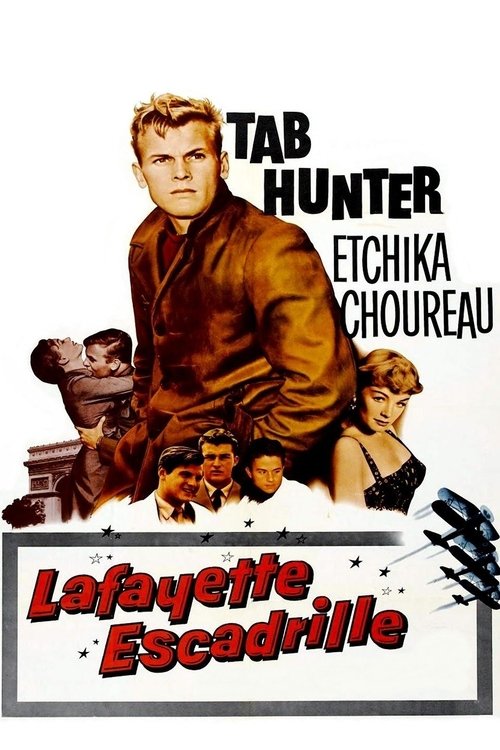
Lafayette Escadrille
1958
No user ratings available yet
Representation score: 0.5 out of 10

Representation Score
Minimal
1942
NRDirector
Anatole Litvak
Runtime
110 minutes
Average Rating
No ratings yetNew Showbiz Analysis
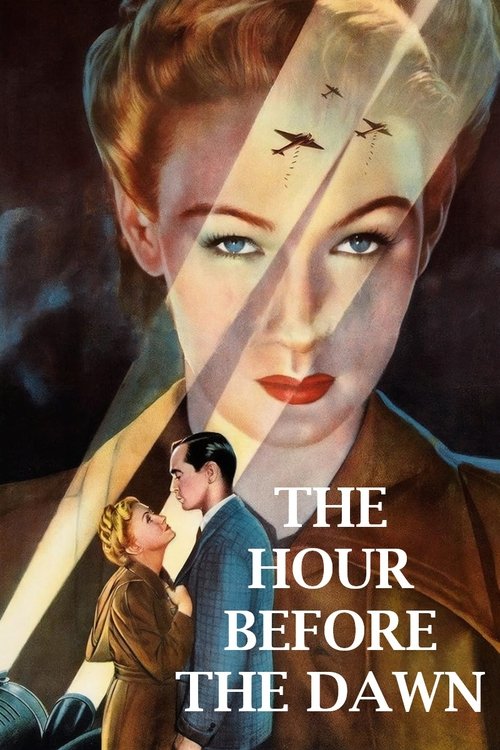
This wartime drama highlights the tension between personal desires and collective responsibility. Though it lacks broad diversity, it offers a nuanced view of class conflicts and female empowerment. The film challenges traditional formulas by letting the female lead shape the moral narrative. However, it remains deeply rooted in the social hierarchies of 1942. Overall, the story operates within a conventional framework that emphasizes national defense and traditional social structures over diverse representation.
Category Breakdown
The film follows the traditional heterosexual relationships typical of the 1940s. The romantic storyline centers around a conventional couple.
Prudence Cathaway takes a significant role by joining the Women's Auxiliary Ferrying Service and leaving behind her aristocratic lifestyle. She actively guides the male lead through his moral dilemmas.
The cast is primarily white, reflecting the homogeneous social structure of the British classes shown. There is no significant racial diversity.
The story examines situational ethics and moral relativism through the protagonist's struggles. However, it ultimately upholds traditional Western institutions and patriotism.
No visible or invisible disabilities are central to the character arcs. No characters with disabilities are used as plot devices.
Present on Screen
Limited or Absent
Official Synopsis
In 1940 England, aristocratic Prudence Cathaway alarms her snobbish parents by joining the WAF service branch. She soon meets and falls in love with the brooding Clive Briggs, despite his prejudice against the upper classes, and agrees to spend a week with him at a Dover hotel. When Clive's soldier friend, Monty, arrives to retrieve him, Prudence learns that Clive went AWOL after Dunkirk, and urges him to recall why England must fight the war.
1958

1942
1944

1957

1931

1932

1944

1940
No reviews yet. Be the first to share your thoughts on this movie!
Use the rating form above to leave a star rating and optional review.