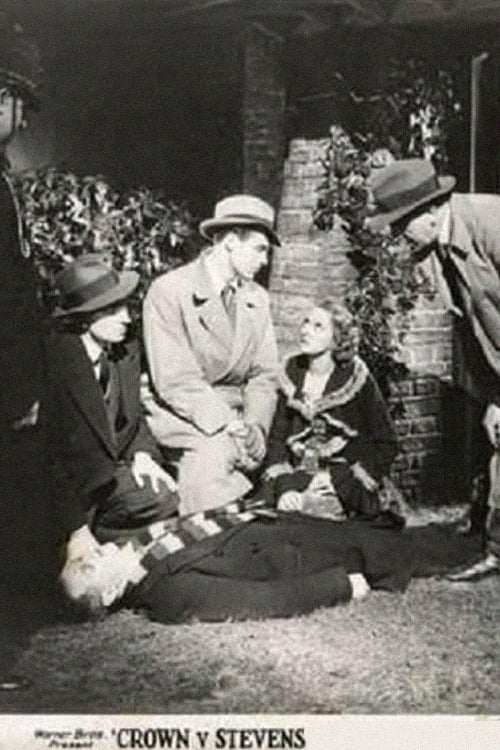
Crown v. Stevens
1936
No user ratings available yet
Representation score: 1.8 out of 10
Representation Score
Limited
1932
PassedDirector
Lothar Mendes
Runtime
81 minutes
Average Rating
No ratings yetNew Showbiz Analysis
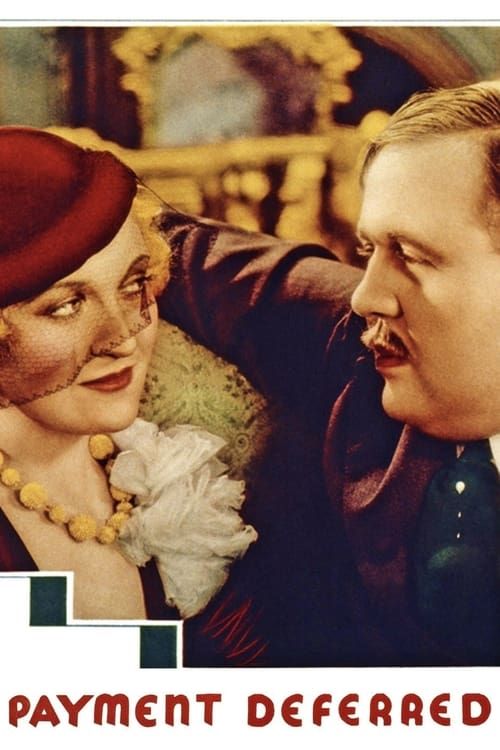
Payment Deferred is a period piece that emphasizes socioeconomic critique rather than demographic diversity. While it lacks representation of race, gender, or LGBTQ+ identities, it provides a deep look at class conflict. The film's strength lies in its thematic depth, particularly in its critique of the moral detachment among the upper class. It frames crime as a response to social injustice, challenging traditional moral storytelling. However, the production is limited by its historical context, resulting in a homogeneous cast and adherence to traditional social hierarchies. It serves more as a social realist critique than a diverse ensemble piece.
Category Breakdown
The film follows the social norms of the early 1930s and does not include any non-binary gender identities or same-sex relationships.
Women in the film engage in discussions about economic ethics, but the story remains tied to the social hierarchy of the time. The film does not significantly challenge traditional gender roles or give much power to female characters.
The cast mainly consists of white actors representing the upper-class elite of New York City in 1932. The story focuses on class conflicts within this demographic.
The film effectively criticizes the economic institutions and the indifference of the wealthy during the Great Depression. It highlights the failures of capitalism through the protagonist's actions.
There is no indication of characters with visible or invisible disabilities being used as plot devices or central figures.
Present on Screen
Limited or Absent
Official Synopsis
Bank clerk William Marble is desperate for money to pay his family's bills. When his wealthy nephew visits, Marble asks him for a loan, but the young man refuses. Marble decides to kill his nephew. It is a twisted path to justice after Marble is transformed by the crime he committed and the wealth he gains.
1936

1947
1962

1949

1934

1924

1950

1942
No reviews yet. Be the first to share your thoughts on this movie!
Use the rating form above to leave a star rating and optional review.