
Journal of a Crime
1934
No user ratings available yet
Representation score: 1.4 out of 10
Representation Score
Minimal
1938
Director
Arthur B. Woods
Runtime
84 minutes
Average Rating
No ratings yetNew Showbiz Analysis
Arthur B. Woods' crime drama is a reflection of its era, strictly following the social and narrative conventions of the late 1930s. The film's structure is built around traditional hierarchies, emphasizing a homogeneous male workforce and standard genre conflicts. The narrative serves to reinforce established social norms rather than critique them. It lacks intentionality regarding overlapping identities, offering instead a straightforward portrayal of professional camaraderie and working-class stability.
Category Breakdown
The film does not depict any non-binary gender identities or same-sex relationships. Romantic and camaraderie-focused dynamics are centered around heterosexual couples and male friendships.
This male-dominated narrative focuses on the professional lives and brotherhood of the trucking community. Women play supporting roles, often acting as plot catalysts rather than driving the story forward.
The cast is primarily white and uniform, reflecting the homogeneity of the 1938 production era. There are no characters of color with substantial roles or diverse backgrounds.
The story highlights professional ethics and labor risks without challenging Western institutions. It upholds the moral clarity and social stability typical of the time period.
There are no visible portrayals of physical, sensory, or neurodivergent disabilities. Characters are defined solely by the physical demands of their work.
Present on Screen
Limited or Absent
Official Synopsis
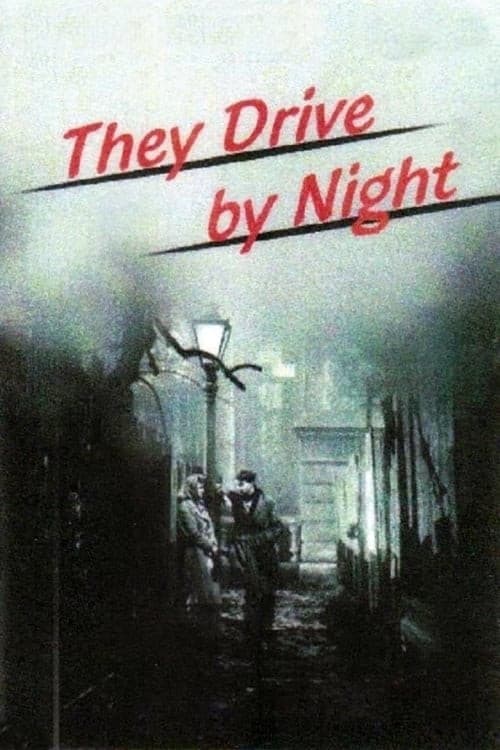
“Shorty” Matthews having recently been released from prison visits his girlfriend in London only to discover her murdered. Fearing he will be wrongly accused of being the culprit he disappears amongst the long-distance lorry driving community. Meanwhile, the real killer, unassuming ex-schoolteacher Walter Hoover, continues to prey on London women. As Shorty had feared he has become the main suspect. He returns to London with old flame Molly to prove his innocence.
1934

1956
1948

1949
1953
1937
1951

1930
No reviews yet. Be the first to share your thoughts on this movie!
Use the rating form above to leave a star rating and optional review.