Bedevilled
1955
No user ratings available yet
Diversity score: 2.5 out of 10
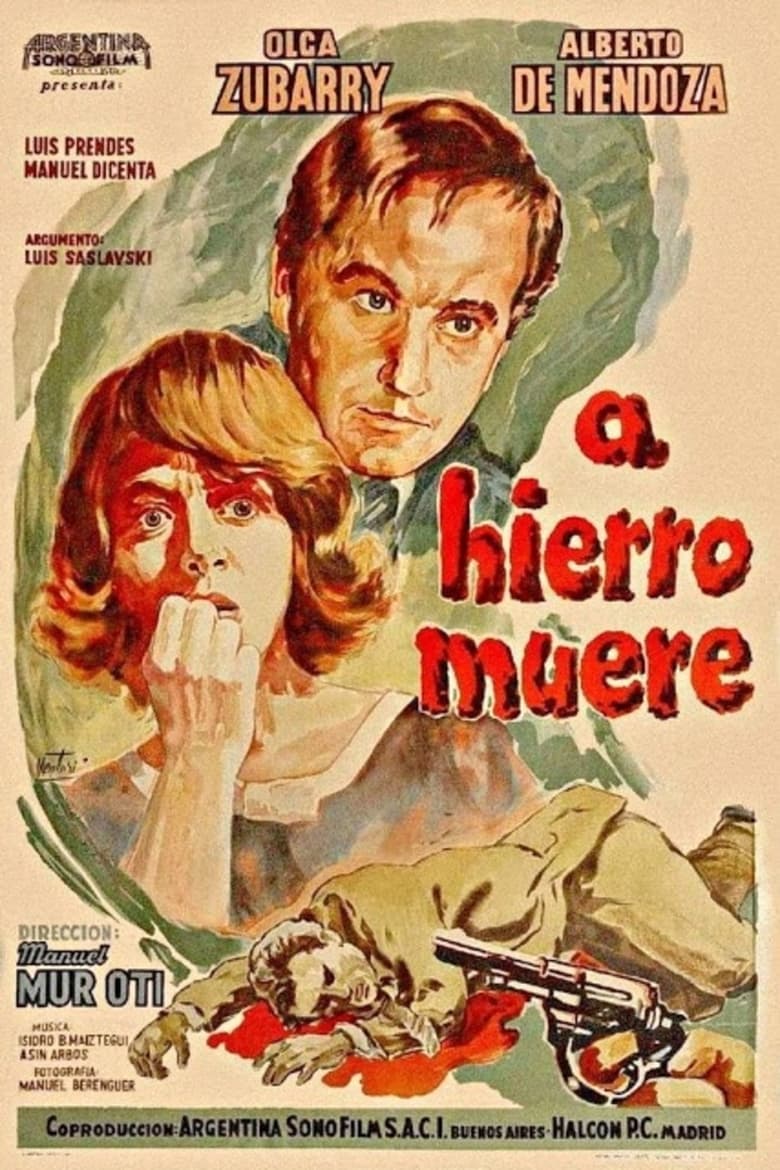
1962
Director
Manuel Mur Oti
Runtime
99 minutes
Average Rating
No ratings yetSynopsis
A former singer lives alone with her fortune - and with her nephew, Fernando, a low character to whom she refuses to lend more money. Elisa leaves prison and starts a new life as a personal attendant to the aging singer, using her knowledge as a former nurse - a profession she can not return to. Fernando meets Elisa, and together they plan to poison the lonely woman, and use her money abroad. They plan their alibis well. But those who kill by the sword will perish by the sword.
Overall Score
Limited
Category Breakdown
LGBTQ+ Representation
The film lacks LGBTQ+ characters or narratives. It follows a traditional noir structure focused on greed and criminal plotting rather than non-cisnormative identities.
Gender Representation
Female characters hold central roles, including an aging singer and a personal attendant. While they exercise agency through criminal conspiracy, they remain largely within domestic or caretaking frameworks.
Racial & Ethnic Diversity
The cast appears ethnically homogeneous, reflecting the production context of 1962 Spain. There is no evidence of multicultural casting or non-white characters driving the narrative.
Religious & Cultural Diversity
The story explores moral decay and individual greed through a fatalistic lens. It functions as a standard crime drama without critiquing Western institutions or systemic power.
Disability Representation
There is no information regarding the portrayal of physical or mental disabilities. No characters are identified as having specific disabilities within the narrative.
Strengths
Areas for Improvement
AI Analysis
Manuel Mur Oti’s thriller is a product of its era, adhering to the demographic and social norms of 1960s European cinema. The film relies on established noir archetypes and a localized, homogeneous cast. While the narrative provides female characters with active roles in a criminal plot, it lacks intersectional complexity. The power dynamics are driven by wealth and survival rather than a subversion of gender hierarchies. Ultimately, the film functions as a genre-driven study of human impulses. It lacks the diverse casting or systemic critique necessary to move beyond the conventional social structures of its time.
1955
1957
1966
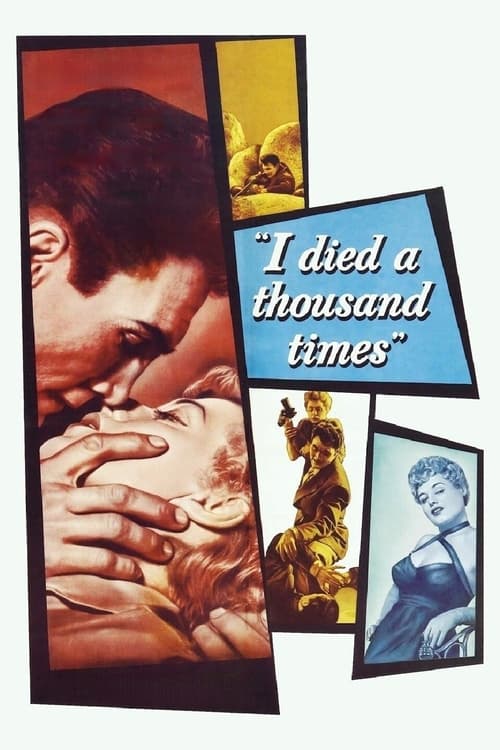
1955
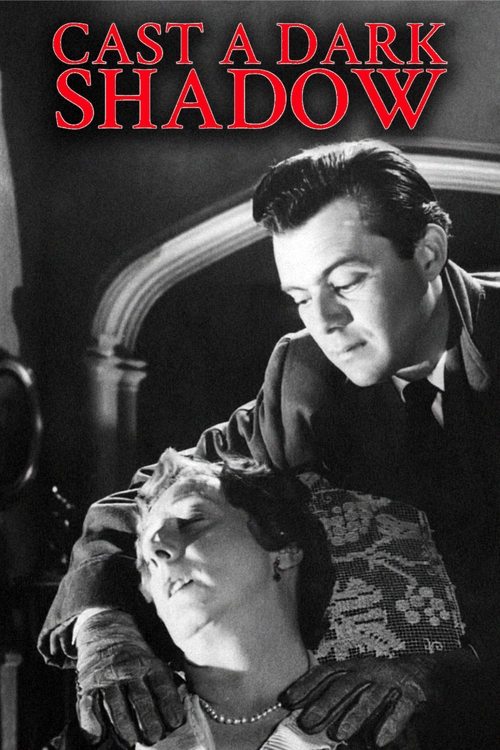
1955

1959
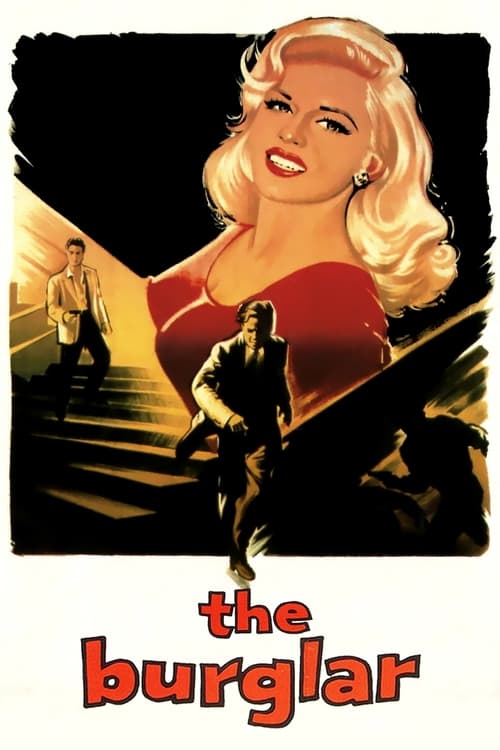
1957
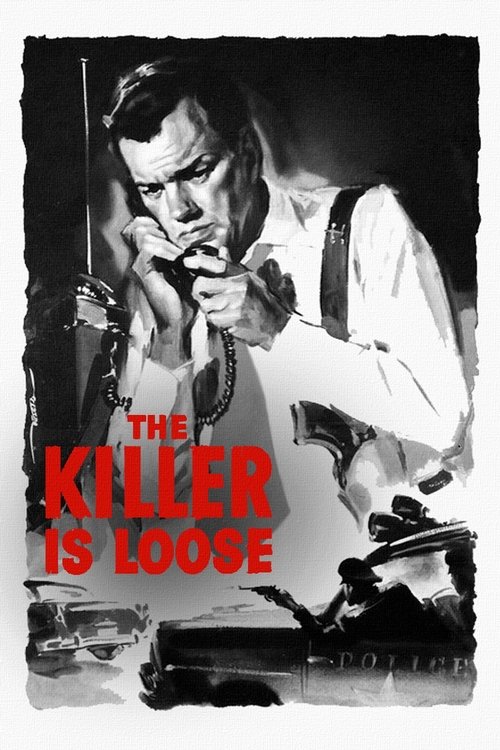
1956
1957
1963

1949
1974
No reviews yet. Be the first to share your thoughts on this movie!
Use the rating form above to leave a star rating and optional review.