Conflict
1945
No user ratings available yet
Representation score: 1.6 out of 10
Representation Score
Minimal
1955
NRDirector
Lewis Gilbert
Runtime
83 minutes
Average Rating
No ratings yetNew Showbiz Analysis
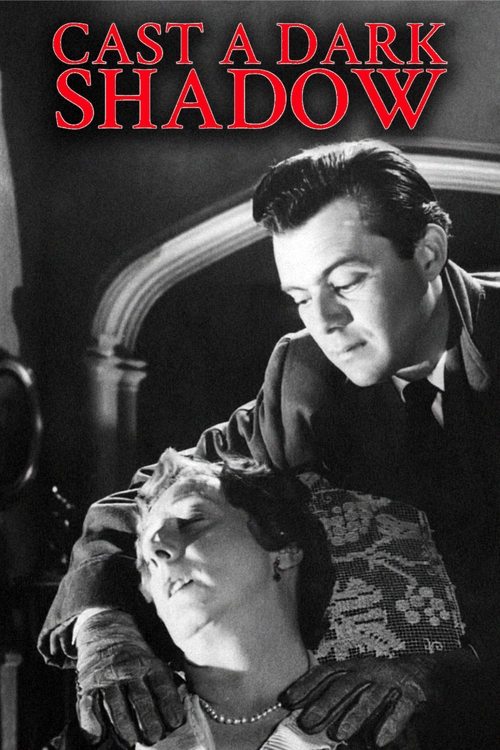
Cast a Dark Shadow is a mid-century psychological thriller that prioritizes individual character studies over social or identity-driven narratives. The film adheres to the conventional demographic norms of its era, focusing on a localized study of British social strata. The narrative's primary strength lies in its subversion of gender clichés. While the protagonist is a ruthless schemer, the female lead resists the typical 'damsel in distress' archetype through her intellectual resistance. However, the film lacks any intentional engagement with broader social, racial, or LGBTQ+ complexities. It remains a traditional genre piece that avoids systemic critique in favor of personal moral conflict.
Category Breakdown
The film focuses solely on heterosexual relationships and predatory behavior. There are no queer identities or subtexts in the character dynamics.
Freda Jeffries provides a strong counterpoint to the male protagonist's predatory actions. She is portrayed as guarded and sassy rather than a passive victim, although her actions remain influenced by the male threat.
The cast is predominantly homogeneous, reflecting the historical setting of a 1930s English village. There is no evidence of non-white casting or racial diversity.
The story operates within a traditional Western framework centered on individual morality. It focuses on personal psychological issues rather than systemic or institutional critiques.
There is no representation of physical, sensory, or neurodivergent identities. Characters are defined by psychological stability rather than disability.
Present on Screen
Limited or Absent
Official Synopsis
Edward "Teddy" Bare is a ruthless schemer who thinks he's hit the big time when he kills his older wife, believing he will inherit a fortune. When things don't go according to plan, Teddy sets his sights on a new victim: wealthy widow Freda Jeffries. Unfortunately for the unscrupulous criminal, Freda is much more guarded and sassy than his last wife, making separating her from her money considerably more challenging.
1945
1958
1955
1950
1957
1964

1955
1940
No reviews yet. Be the first to share your thoughts on this movie!
Use the rating form above to leave a star rating and optional review.