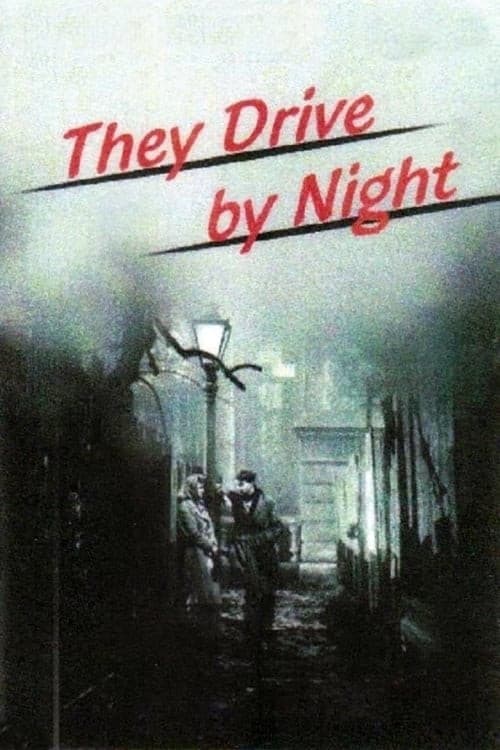
They Drive by Night
1938
No user ratings available yet
Representation score: 0.5 out of 10

Representation Score
Minimal
1934
ApprovedDirector
William Keighley
Runtime
65 minutes
Average Rating
No ratings yetNew Showbiz Analysis
Journal of a Crime is a product of the 1930s studio system, adhering strictly to the era's conventional social and narrative structures. The film relies on established crime genre clichés, particularly those centered on domestic conflict and romantic rivalry. While the film provides a central female role, it does so through a lens of traditional gender stereotypes. The narrative lacks complexity in reflecting multiple aspects of identity, offering little disruption to the period's standard social structures or casting norms. Ultimately, the film serves as a snapshot of early genre cinema, prioritizing standard dramatic tension over diverse or subversive representation.
Category Breakdown
The film centers on a married man's affair with his mistress. There is no indication of LGBTQ+ identities or stories that challenge the assumption that everyone is straight or cisgender.
A female character drives the plot through a crime of passion. However, her motivation reinforces traditional stereotypes about jealousy and domestic instability.
The production reflects the homogeneous casting standards of the 1930s studio system. There is no evidence of racial integration within the narrative.
The story operates within a conventional moral framework typical of the era. It focuses on legal consequences rather than critiquing social or religious institutions.
There is no information regarding the inclusion of characters with physical or neurodivergent disabilities.
Present on Screen
Limited or Absent
Official Synopsis
A woman murders her husband's mistress and someone else gets accused of the crime.
1938

1930
1940
1944
1953
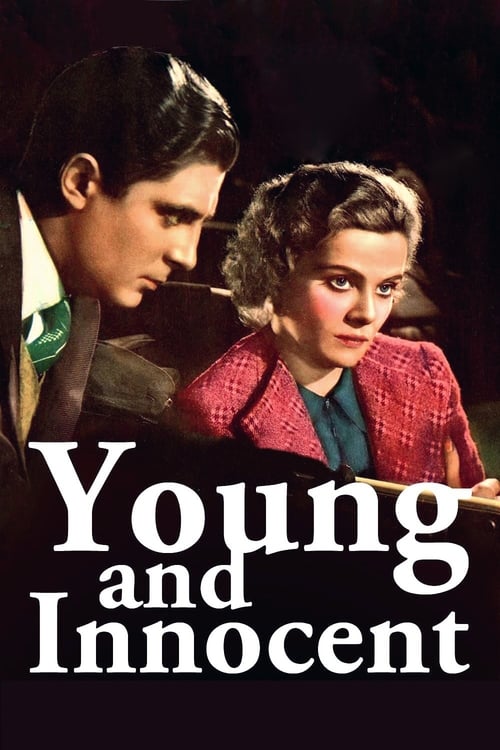
1937
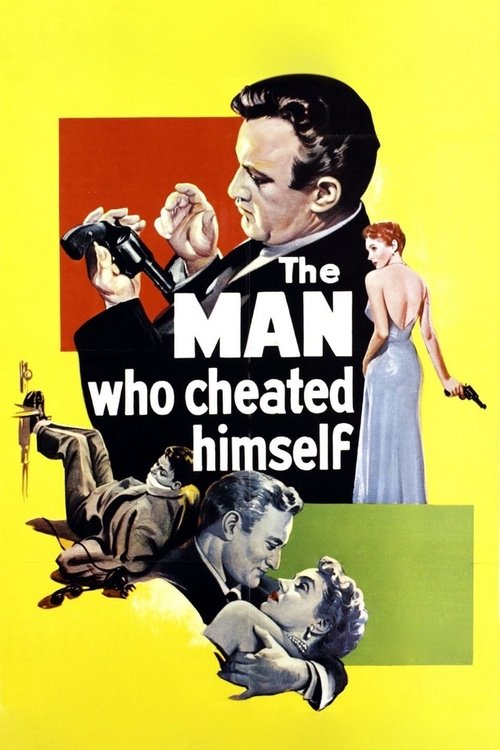
1950
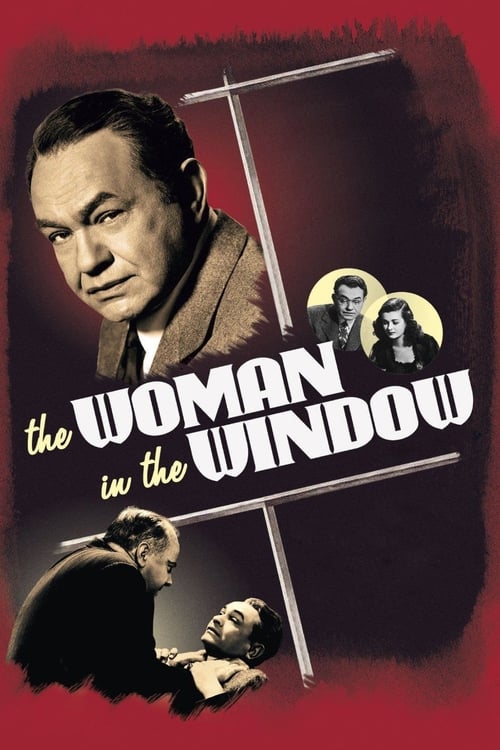
1944
No reviews yet. Be the first to share your thoughts on this movie!
Use the rating form above to leave a star rating and optional review.