
Quicksand
1950
No user ratings available yet
Representation score: 0.6 out of 10

Representation Score
Minimal
1949
ApprovedDirector
Byron Haskin
Runtime
99 minutes
Average Rating
No ratings yetNew Showbiz Analysis
Too Late for Tears is a classic example of its time, relying on established mid-century archetypes. The narrative does not aim to disrupt conventional social expectations or challenge existing power dynamics. While the female protagonist displays a significant role in driving the story, her actions are framed as moral corruption rather than a subversion of traditional gender roles. The film's adherence to homogeneous social norms and lack of multi-layered complexity contribute to a low diversity score.
Category Breakdown
The film strictly follows the social norms of the late 1940s, where everyone is assumed to be straight or cisgender. There is no representation of non-traditional gender identities or same-sex relationships.
The female lead plays a significant role in driving the story through her pursuit of money. However, her power is framed as moral corruption rather than a challenge to traditional gender roles.
The cast is predominantly made up of actors from similar backgrounds, reflecting the production standards of 1949 American crime cinema. The film lacks racial or ethnic diversity among its main characters.
The narrative focuses on individual greed and legal consequences, without engaging with critiques of Western institutions or religion. It serves as a typical procedural crime drama.
There are no visible or invisible disabilities portrayed in the central narrative. Characters are shown through the lens of physical capability and psychological tension.
Present on Screen
Limited or Absent
Official Synopsis
Through a fluke circumstance, a ruthless woman stumbles across a suitcase filled with $60,000, and is determined to hold onto it even if it means murder.
1950
1954
1951
1955

1953
1949
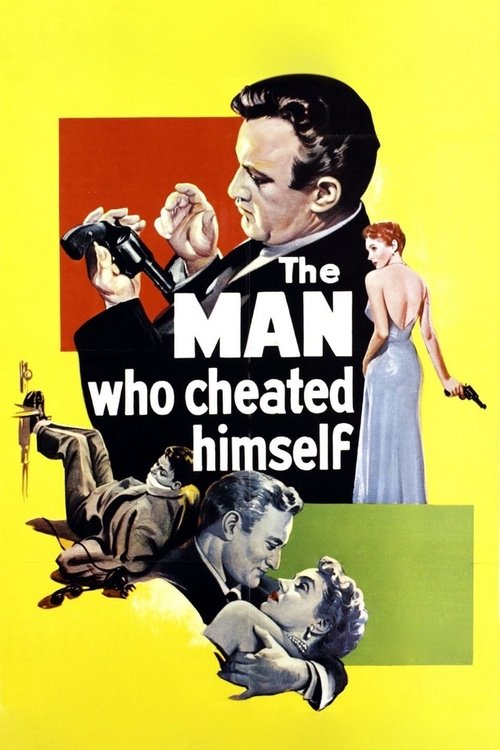
1950
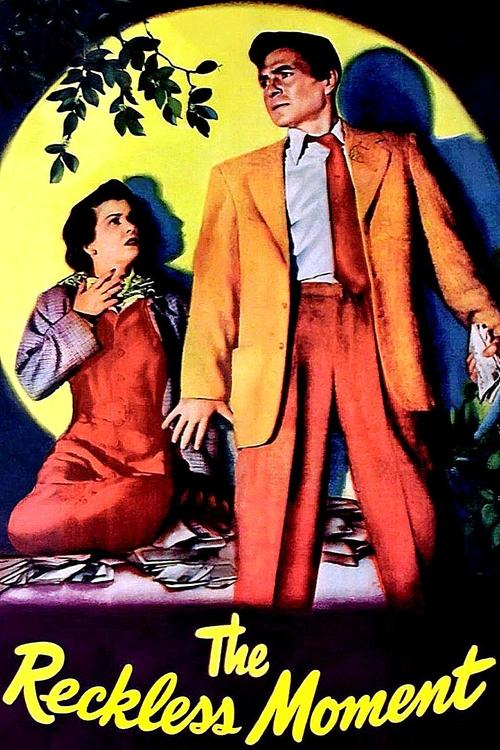
1949
No reviews yet. Be the first to share your thoughts on this movie!
Use the rating form above to leave a star rating and optional review.