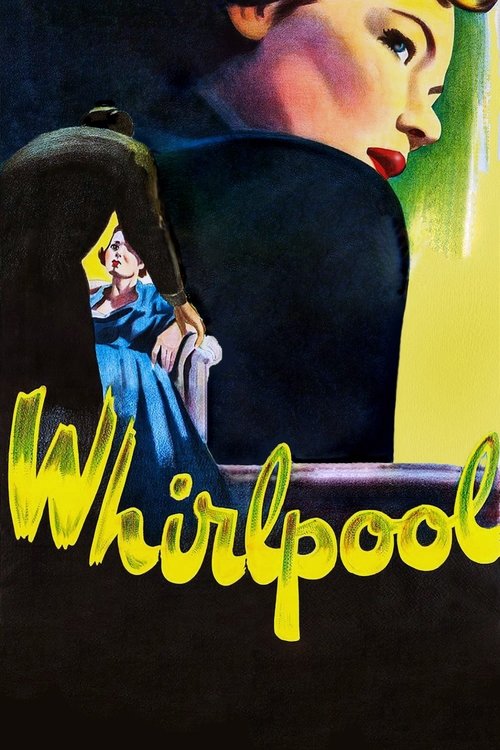
Whirlpool
1950
No user ratings available yet
Representation score: 3.0 out of 10
Representation Score
Fair
1950
NRDirector
Fritz Lang
Runtime
88 minutes
Average Rating
No ratings yetNew Showbiz Analysis
Fritz Lang’s thriller finds its depth through psychological complexity rather than demographic variety. It replaces stable, heroic archetypes with morally ambiguous characters driven by jealousy and obsession. The film's strength lies in its subversion of gendered certainties and its rejection of clear-cut moral dichotomies. By centering on a woman whose actions trigger a patriarchal collapse, it moves beyond standard domestic narratives. However, the work remains limited by the social constraints of its era. It lacks racial and LGBTQ+ representation, maintaining a traditional demographic profile reflective of the 1950s setting.
Category Breakdown
The film follows traditional 1950s norms, with no depiction of LGBTQ+ identities or same-sex relationships. Tension arises from traditional romantic competition.
The widow plays a significant role in driving the plot with strong desires and actions. This destabilizes the male characters, who are portrayed as unstable and obsessed.
Set in the rural American South, the film features a mostly white cast with no diverse ethnic identities or color-blind casting, reflecting the era's social constraints.
The narrative challenges typical mid-century Christian morality by focusing on characters' situational impulses within an isolated setting that highlights a breakdown of social order.
Psychological instability and dementia are used primarily as plot devices for criminal intent. The film emphasizes the potential for violence rather than the lived experience of mental health issues.
Present on Screen
Limited or Absent
Official Synopsis
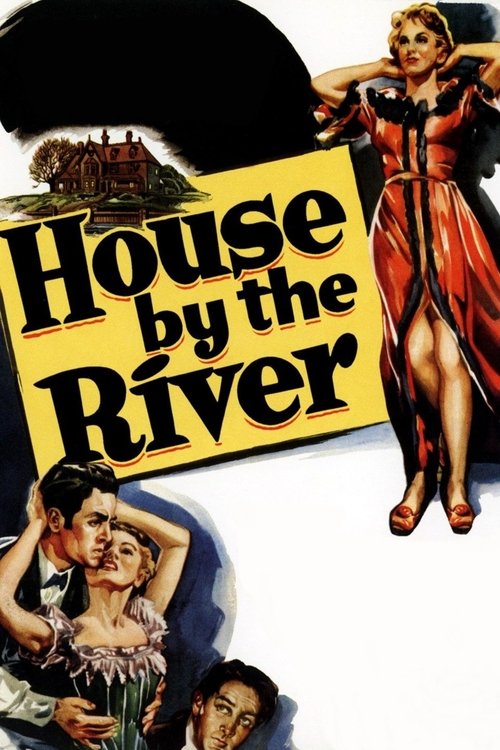
Wealthy writer Stephen Byrne tries to seduce the family maid, but when she resists, he kills her. Long jealous of his brother John, Stephen does his best to pin the blame for the murder on his sibling. Also affected by Stephen's arrogant dementia is his long-suffering wife Marjorie.
1950

1953

1958

1958
1957
1940

1975
1950
No reviews yet. Be the first to share your thoughts on this movie!
Use the rating form above to leave a star rating and optional review.