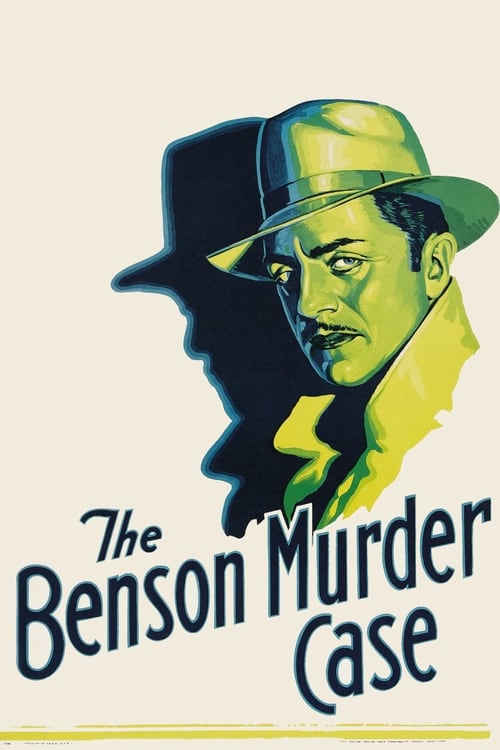
The Benson Murder Case
1930
No user ratings available yet
Representation score: 0.6 out of 10
Representation Score
Minimal
1933
NRDirector
Christy Cabanne
Runtime
80 minutes
Average Rating
No ratings yetNew Showbiz Analysis
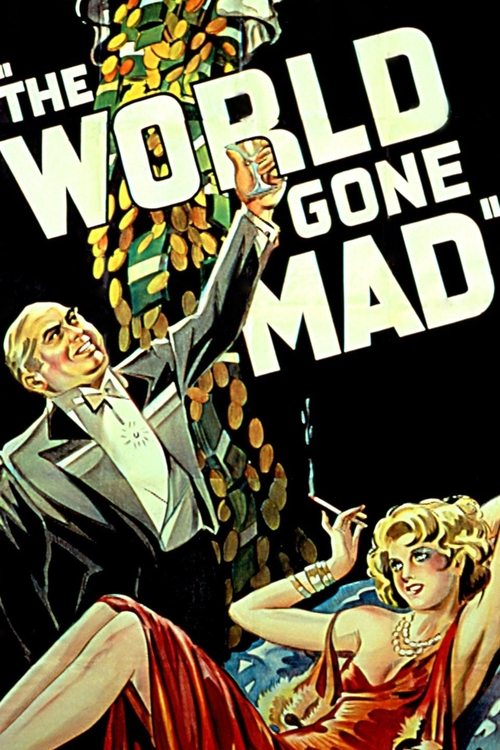
The World Gone Mad is a typical crime thriller that focuses on genre conventions rather than social representation. It centers on a procedural investigation into stock fraud, emphasizing the restoration of social order through legal authority. The film adheres to the traditional cinematic language of the early 1930s. It highlights institutional legitimacy rather than challenging social hierarchies or critiquing systemic issues. As a product of the early studio system, the film lacks depth in representing various aspects of diversity, sticking to the homogeneous casting and gendered hierarchies common in early Hollywood crime dramas.
Category Breakdown
The film does not include any characters with non-traditional gender identities or same-sex relationships. These themes were rarely explored in mainstream films of the 1930s.
The main characters are a District Attorney and a male reporter. Female reporters often had ability to act in films, but the primary investigative roles in this genre are usually held by men.
The film likely reflects the predominantly white casting practices of early 1930s Hollywood. There is no indication of a diverse cast with non-white actors.
The story supports the legitimacy of legal systems and upholds traditional Western values related to justice and the rule of law.
There are no characters with visible or invisible disabilities in the film. Disability is not used as a narrative element in this crime drama.
Present on Screen
Limited or Absent
Official Synopsis
A district attorney and a reporter try to find the killer of a D.A. who uncovered a massive stock fraud.
1930

1930
1931

1942
1931
1933

1931
1930
No reviews yet. Be the first to share your thoughts on this movie!
Use the rating form above to leave a star rating and optional review.