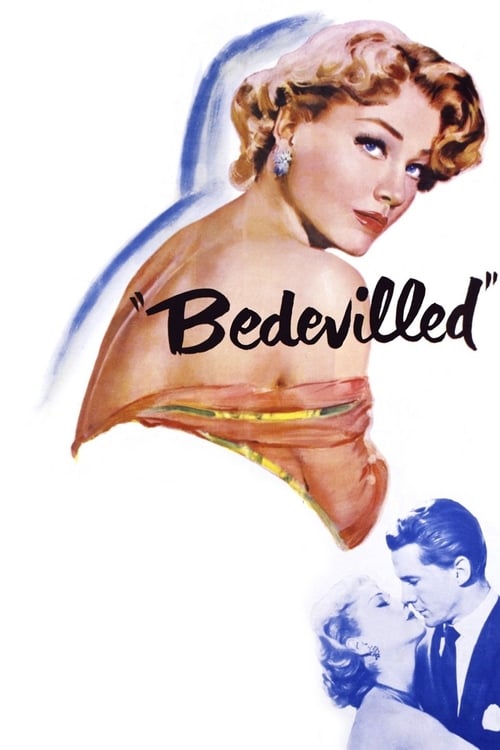
Bedevilled
1955
No user ratings available yet
Representation score: 1.8 out of 10
Representation Score
Limited
1955
TV-PGDirector
Juan Bustillo Oro
Runtime
93 minutes
Average Rating
No ratings yetNew Showbiz Analysis
The film is a conventional crime thriller that adheres to the social and cinematic norms of mid-century Mexican cinema. It uses established genre clichés to drive its plot, focusing on individual moral failings rather than systemic issues. While the production offers a non-Anglo-Saxon perspective typical of the Golden Age of Mexican cinema, the character dynamics remain rooted in traditional hierarchies. The reliance on archetypes like the 'salaryman' and the 'moll' suggests a narrative that reinforces, rather than challenges, the status quo of the 1950s.
Category Breakdown
The film adheres to traditional gender and orientation norms of the 1950s. There is no representation of LGBTQ+ identities or narratives that question the assumption that everyone is straight or cisgender.
The story relies on traditional female archetypes, such as the 'gangster's moll.' This likely positions women as catalysts for male conflict rather than independent actors.
As a Mexican production, the film features a non-Anglo-Saxon cast. However, it reflects the typical racial representation of the era without challenging racial hierarchies.
The narrative follows a classic noir structure that upholds traditional views on social order. It lacks the anti-institutional themes found in more progressive modern works.
There is no mention of characters with visible or invisible disabilities within the narrative.
Present on Screen
Limited or Absent
Official Synopsis
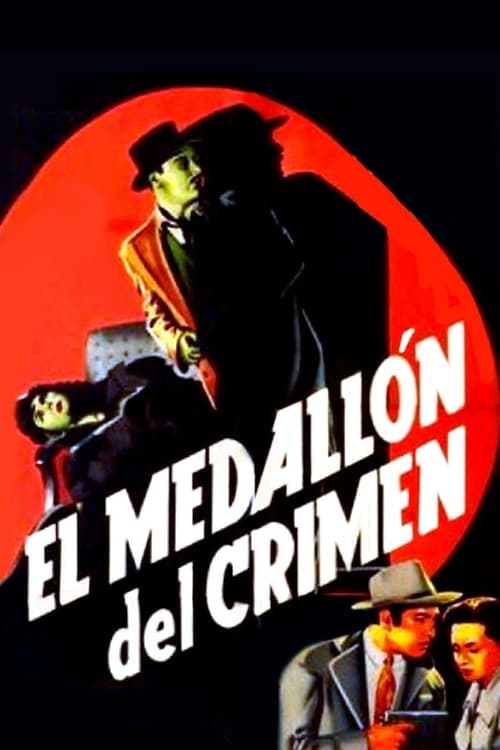
Going out for a drink with the guys after work, a salaryman get in over his head with a gangster's moll and a murder.
1955
1958
1956

1958
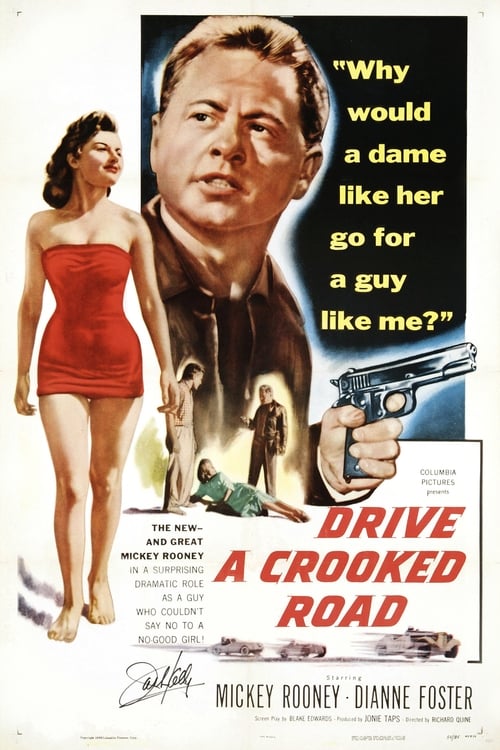
1954
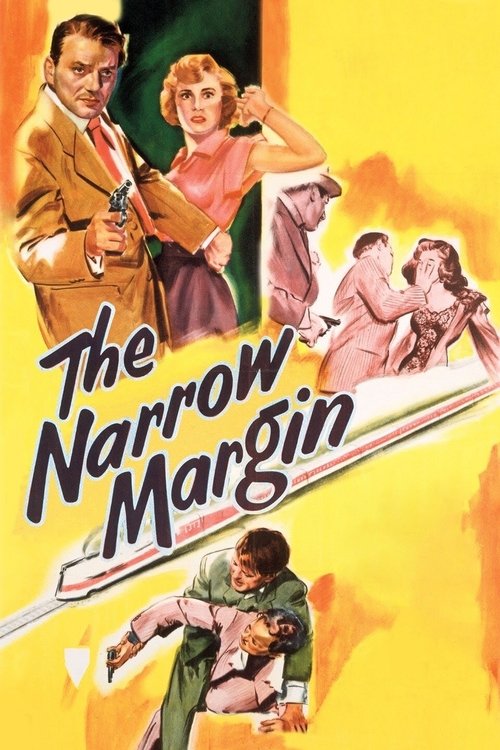
1952
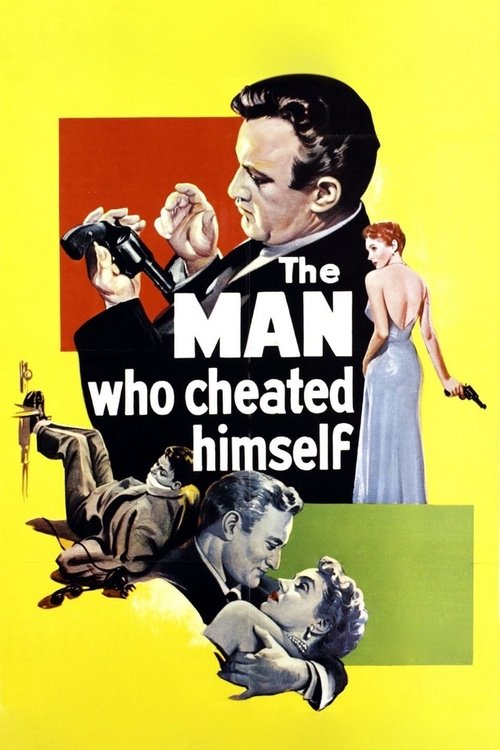
1950
1953
No reviews yet. Be the first to share your thoughts on this movie!
Use the rating form above to leave a star rating and optional review.