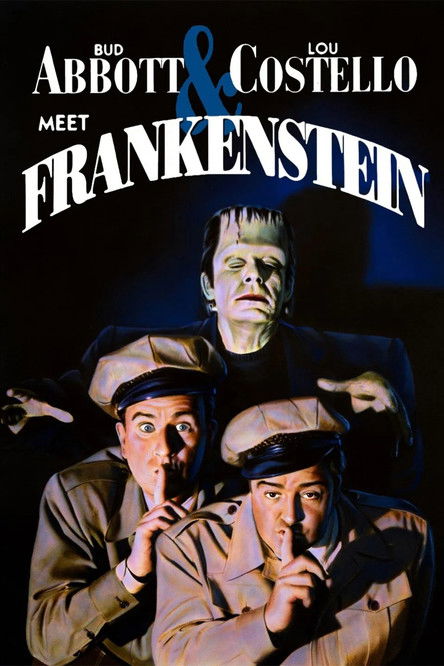
Bud Abbott and Lou Costello Meet Frankenstein
1948
No user ratings available yet
Representation score: 1.6 out of 10
Representation Score
Minimal
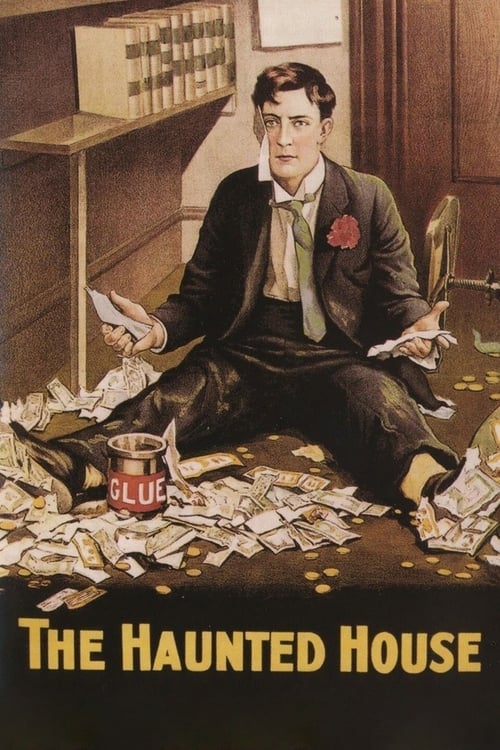
1921
NRDirector
Edward F. Cline, Buster Keaton
Runtime
19 minutes
Average Rating
No ratings yetNew Showbiz Analysis
The Haunted House exemplifies early slapstick cinema, emphasizing physical skill and situational humor. The narrative structure adheres to the norms of its time, focusing on physical comedy and gags. Since the film centers on the technical prowess of Buster Keaton and Edward F. Cline, it does not aim to challenge established social, racial, or gender hierarchies. Instead, it serves as a platform for physical humor without engaging with the complexities of identity or underrepresented groups.
Category Breakdown
The film does not include any LGBTQ+ characters or non-cisgender identities. It follows the standard comedic styles of the early 1920s.
The story focuses on a male bank teller dealing with physical challenges. Female characters do not have roles that challenge traditional gender roles.
The cast reflects the homogeneous demographics typical of early American silent films. There is no diversity among the actors, emphasizing physical comedy.
The haunted house setting is used for physical jokes rather than social commentary. The story maintains a conventional relationship with authority figures and Western traditions.
Physical mishaps are used for humor rather than meaningful portrayals of disability. Characters with disabilities are not shown as empowered or driving the plot.
Present on Screen
Limited or Absent
Official Synopsis
A bank teller becomes involved with a hold-up, counterfeiters and a theatrical troupe posing as spooks in a haunted house.
1948
1932
1964
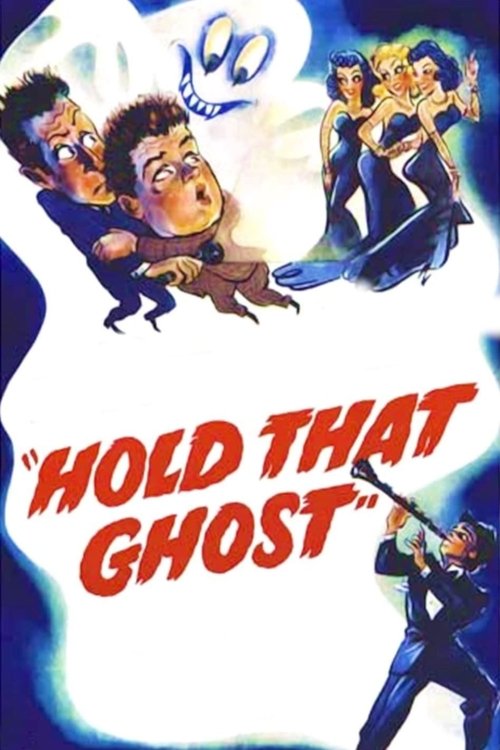
1941
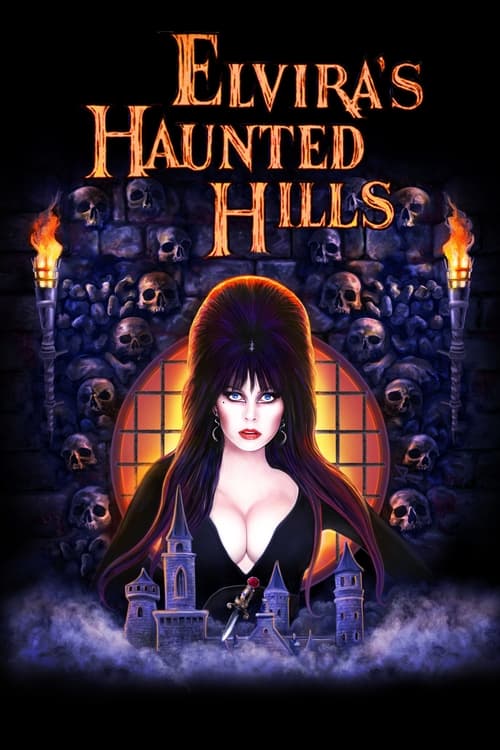
2002
1917
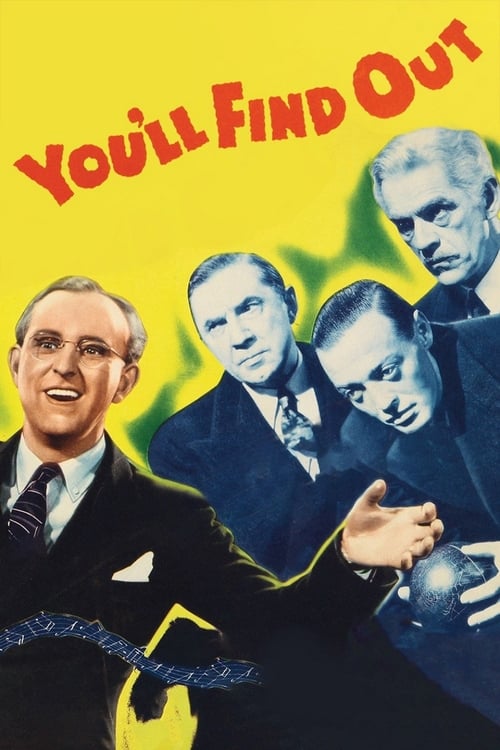
1940
1937
No reviews yet. Be the first to share your thoughts on this movie!
Use the rating form above to leave a star rating and optional review.