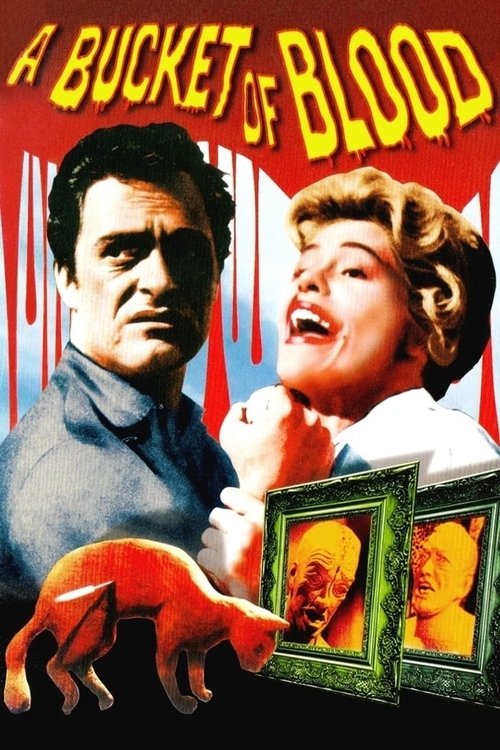
A Bucket of Blood
1959
No user ratings available yet
Representation score: 2.3 out of 10
Representation Score
Minimal
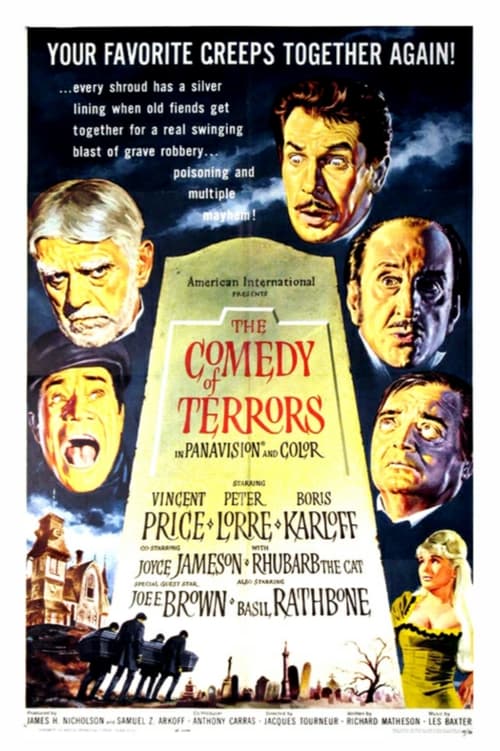
1964
ApprovedDirector
Jacques Tourneur
Runtime
84 minutes
Average Rating
No ratings yetNew Showbiz Analysis
Jacques Tourneur’s film is a masterful example of aesthetic pastiche and postmodern theatricality. It prioritizes the deconstruction of cinematic style and the grotesque traditions of silent comedy over the deconstruction of social hierarchies. The narrative structure centers on the macabre mechanics of a descent into murder. Given the film’s adherence to these specific genre traditions, it lacks the necessary framework for meaningful representation of underrepresented identities. Ultimately, the work remains a product of its era. It favors visual invention and stylistic mastery over the subversion of traditional power dynamics or the inclusion of diverse perspectives.
Category Breakdown
The film does not include any LGBTQ+ characters or explore non-traditional gender identities. It stays within a traditional mid-century framework where such identities are not part of the storyline.
Women are mostly confined to supporting roles that serve slapstick humor and horror. Although the protagonist's self-destructive behavior avoids typical male leadership clichés, the film does not actively challenge gender hierarchies.
The cast is predominantly white, reflecting the demographic norms of its historical setting. Set in a stylized European village, there is no indication of diverse ethnic identities or color-blind casting.
The film uses dark comedy to highlight a subjective sense of morality rather than a religious perspective. It does not provide a structured critique of Western institutions like capitalism or religion, instead using chaos as a comedic element.
There are no prominent depictions of physical or neurodivergent disabilities. Characters are defined by comedic archetypes and eccentricities rather than lived experiences of disability.
Present on Screen
Limited or Absent
Official Synopsis
An undertaker who hasn't had any 'customers' in a long time is forced to pay one year's back-rent. To get money he starts to kill people, which brings absurd results.
1959
1967
1980

1973
1972
1971
2007
1944
No reviews yet. Be the first to share your thoughts on this movie!
Use the rating form above to leave a star rating and optional review.