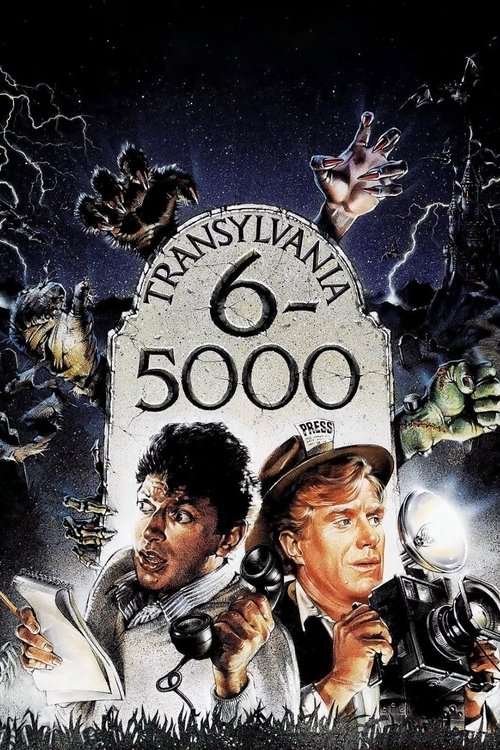
Transylvania 6-5000
1985
No user ratings available yet
Representation score: 4.5 out of 10
Representation Score
Minimal
1948
ApprovedDirector
Charles Barton
Runtime
83 minutes
Average Rating
No ratings yetNew Showbiz Analysis
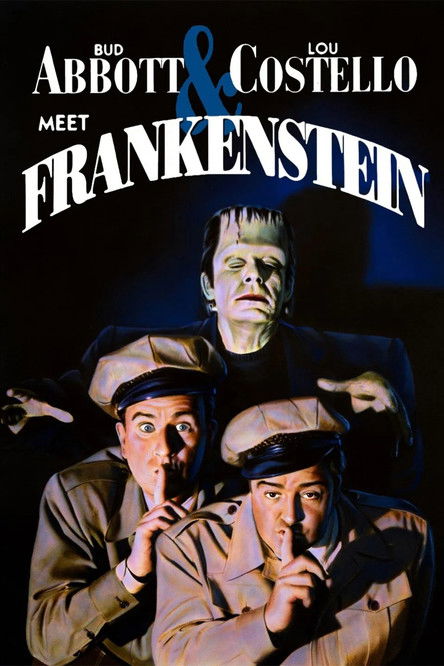
This film is a product of its time, emphasizing traditional comedic formulas and demographic uniformity. The narrative structure centers on a patriarchal framework that lacks complexity in addressing multiple aspects of identity. The production follows the standard studio system norms of the 1940s, resulting in a cast and character set that lacks diversity in race and gender. Most characters serve functional roles to support the central male-driven storyline. The film minimally disrupts conventional social or identity norms, operating strictly within the bounds of mid-20th-century horror-comedy traditions.
Category Breakdown
The film focuses solely on the comedic interactions between its male leads and does not include any non-straight or non-cisgender identities. There is no subversion of traditional gender roles.
Gender roles are very traditional, with female characters having limited roles and little influence over the plot. Women are mostly relegated to supporting roles without much control over their own destinies.
The cast is uniform, reflecting the demographics typical of 1940s Hollywood. Characters of color are notably absent, especially those with significant roles or influence.
The story uses the 'mad scientist' cliché for humor rather than as a critique of Western culture. It does not engage significantly with anti-Western or anti-religious themes.
Characters with disabilities are not given meaningful roles or development. Physical differences are used for standard genre spectacle without deeper character exploration.
Present on Screen
Limited or Absent
Official Synopsis
The Wolf Man tries to warn a dimwitted porter that Dracula wants his brain for Frankenstein monster's body.
1985
1964
1921
1967

1944
1932
1953
1972
No reviews yet. Be the first to share your thoughts on this movie!
Use the rating form above to leave a star rating and optional review.