The Egg
1922
No user ratings available yet
Representation score: 2.8 out of 10
Representation Score
Minimal
1922
TV-GDirector
Edward F. Cline, Buster Keaton
Runtime
23 minutes
Average Rating
No ratings yetNew Showbiz Analysis
This film is a classic silent-era comedy that emphasizes physical humor and mechanical gags over social or identity-based storytelling. Its narrative structure highlights the conflict between human error and technological progress. By sticking to the narrow demographic and social norms of 1922, the film lacks representation across almost all diversity metrics. The focus remains strictly on the 'man vs. machine' theme. Ultimately, the work reinforces existing societal hierarchies rather than challenging them through diverse characterization or inclusive casting.
Category Breakdown
There are no LGBTQ+ characters or non-straight relationships in the film. The story focuses on the protagonist's mechanical mishaps and traditional comedic pursuits.
Female characters mainly serve as obstacles or objects of pursuit. The narrative upholds the conventional gender roles of the 1920s without challenging traditional hierarchies.
The cast is homogeneous, reflecting the standard demographics of early Hollywood. There is no effort to include diverse casting or disrupt the era's Anglo-centric norms.
The film celebrates technological novelty and modernity. It remains secular and apolitical, focusing on the absurdity of domestic automation without addressing social or systemic power dynamics.
Characters with disabilities are not represented. Physical mishaps are used solely as slapstick devices without exploring the experiences of those with impairments.
Present on Screen
Limited or Absent
Official Synopsis
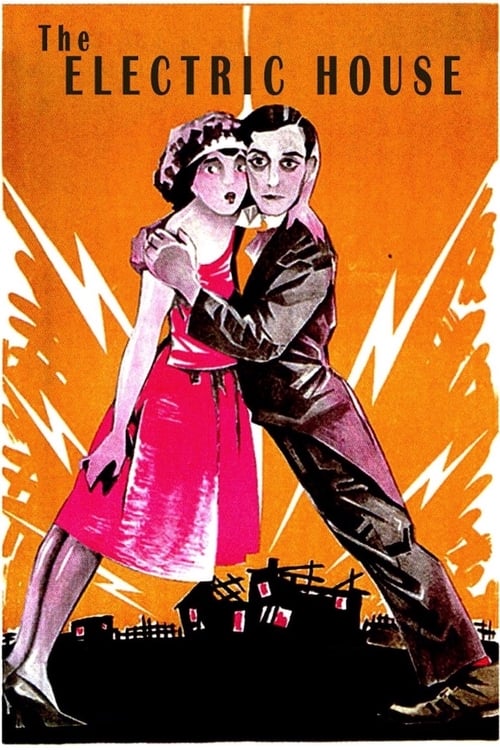
Botany major Buster mistakenly graduates in electrical engineering and is hired to wire a new home.
1922
1926

1922

1928

1921

1923
1920
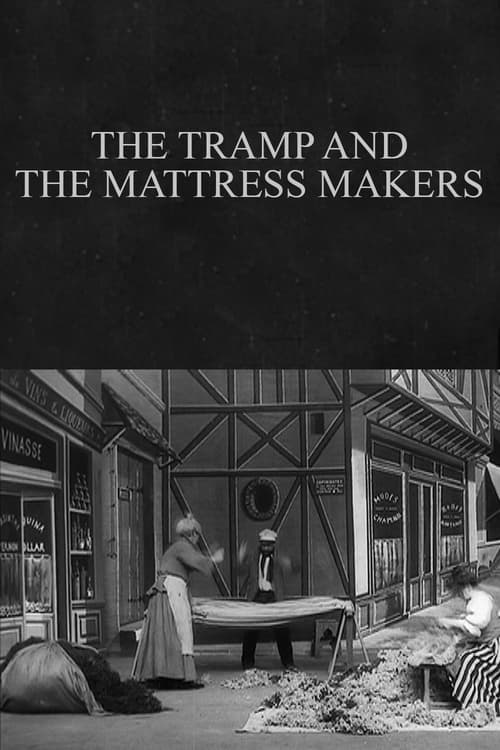
1906
No reviews yet. Be the first to share your thoughts on this movie!
Use the rating form above to leave a star rating and optional review.