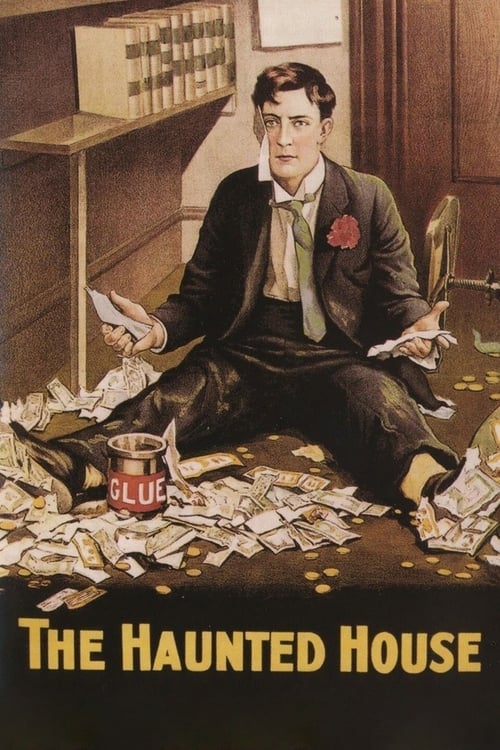
The Haunted House
1921
No user ratings available yet
Representation score: 1.9 out of 10
Representation Score
Good
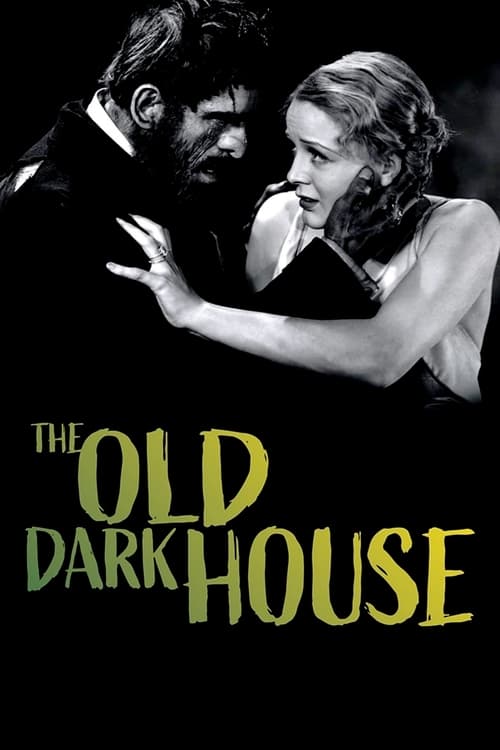
1932
ApprovedDirector
James Whale
Runtime
70 minutes
Average Rating
No ratings yetNew Showbiz Analysis
James Whale's direction turns a typical horror story into a sophisticated look at being an outsider. The film excels at challenging social norms, especially by breaking down the idea of a stable, respectable family. It uses shifting power dynamics and moral ambiguity instead of traditional patriarchal stability. Despite its limitations due to its historical context, the film stands out for its use of subtext and eccentricity to question rigid societal structures. However, it remains constrained by its time, lacking racial diversity and relying on coded rather than explicit LGBTQ+ themes.
Category Breakdown
The film doesn't explicitly show same-sex relationships or non-traditional gender identities due to the time period. Instead, it uses eccentricity and the grotesque to hint at underrepresented identities, creating a tension that reflects those outside the mainstream.
The story challenges traditional gender roles by giving significant control to female characters. Mrs. Parker, in particular, wields psychological and domestic power that defies typical male leadership.
All the actors are of European descent, reflecting the 1932 Welsh setting. There are no characters or themes that represent racial diversity.
The film questions the traditional Western family by showing the home as a place of madness and dysfunction. It focuses on personal morality over strict Victorian or Christian values.
Neurodivergence and mental instability are key plot drivers. The film handles these psychological issues with complexity, using them to create narrative tension rather than relying on simple stereotypes.
Present on Screen
Limited or Absent
Official Synopsis
In a remote region of Wales, five travelers beset by a relentless storm find shelter in an old mansion.
1921
1946

2002
1948
1963
1934
1991
1944
No reviews yet. Be the first to share your thoughts on this movie!
Use the rating form above to leave a star rating and optional review.