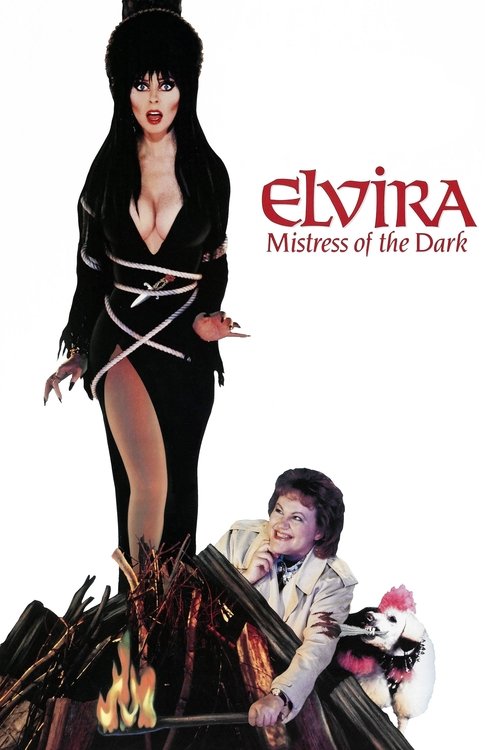
Elvira: Mistress of the Dark
1988
No user ratings available yet
Representation score: 5.7 out of 10
Representation Score
Fair
2002
PG-13Director
Sam Irvin
Runtime
90 minutes
Average Rating
No ratings yetNew Showbiz Analysis
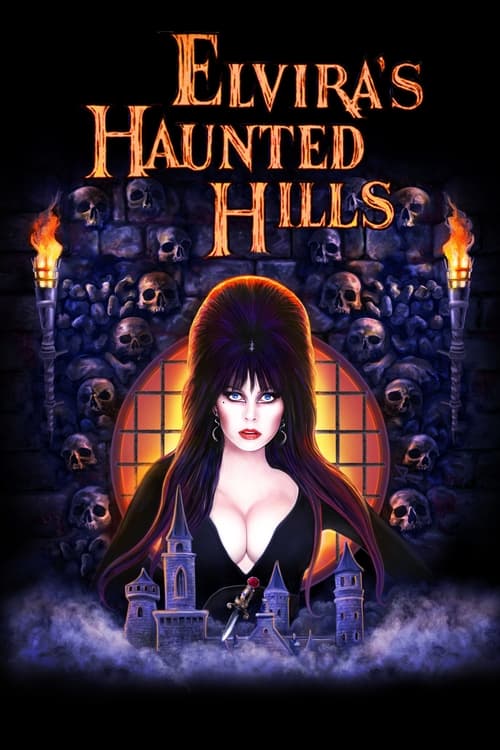
Elvira's Haunted Hills stands out for its central protagonist, who defies submissive female archetypes typical of 19th-century gothic horror. By using a hyper-sexualized and irreverent persona, Elvira drives the plot and mocks the competence of those around her. However, the film lacks broader demographic representation. The casting is largely homogenous, and there are no meaningful portrayals of LGBTQ+ identities or characters with disabilities. The focus remains strictly on campy, genre-specific clichés. Ultimately, the film excels in its gendered ability to act but falls short in providing broader demographic representation, resulting in a score that reflects its narrow, camp-oriented scope.
Category Breakdown
The film follows a traditional framework that assumes everyone is straight or cisgender. There are no explicit LGBTQ+ characters or storylines in the narrative.
Elvira challenges traditional gothic hierarchies by playing a significant role in driving the story and maintaining an irreverent persona. She avoids the 'damsel in distress' cliché through her strong presence.
Set in a fictionalized 1851 Carpathia, the cast is predominantly white. The narrative does not include diverse ethnic identities in the core plot.
The film prioritizes comedic absurdity over strict religious morality. It focuses on irreverence toward established social norms and authority figures.
Supernatural creatures have physical differences, but these serve as genre clichés rather than nuanced representations. There is no meaningful portrayal of lived disability experiences.
Present on Screen
Limited or Absent
Official Synopsis
The setting is Carpathia. The year is 1851. When Elvira gets kicked out of an Inn for a slight monetary discrepancy, she is rescued by a local who takes her to stay at the castle in the hills high above the village. The fact that she happens to resemble the count's former "missing" wife opens a can of worms or two.
1988
1972
1985
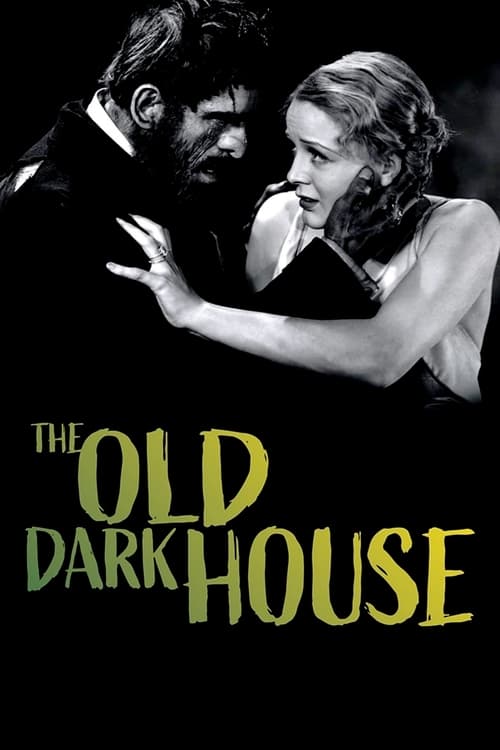
1932
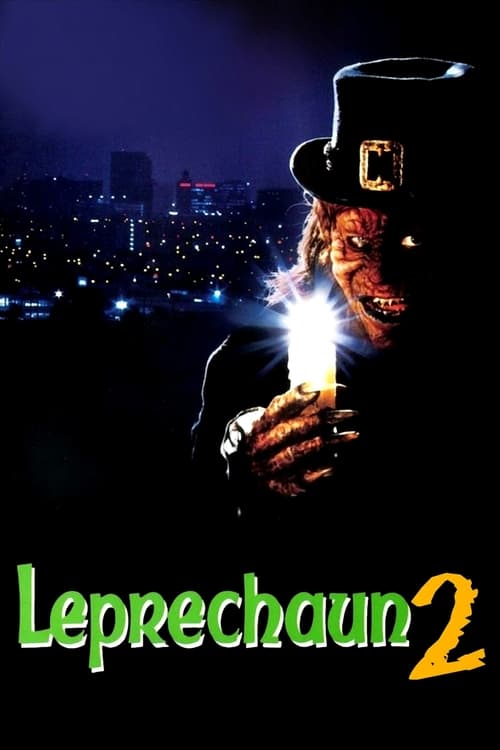
1994
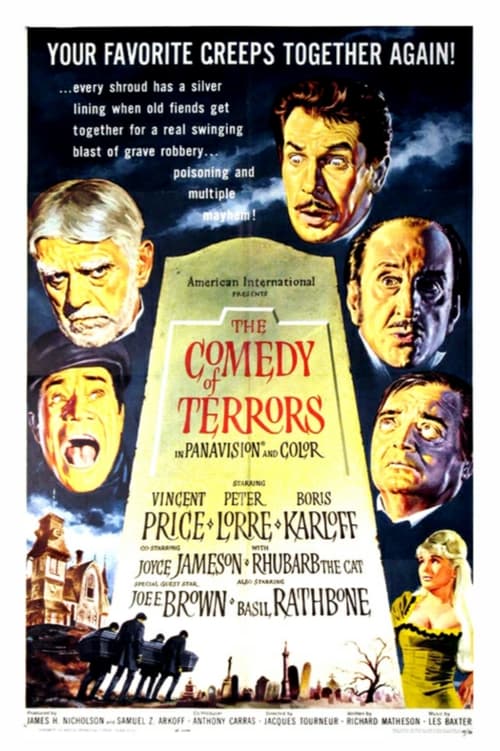
1964
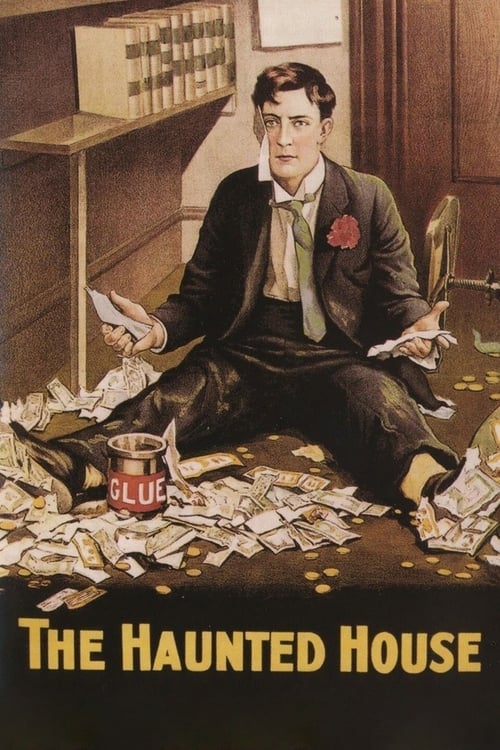
1921
1967
No reviews yet. Be the first to share your thoughts on this movie!
Use the rating form above to leave a star rating and optional review.