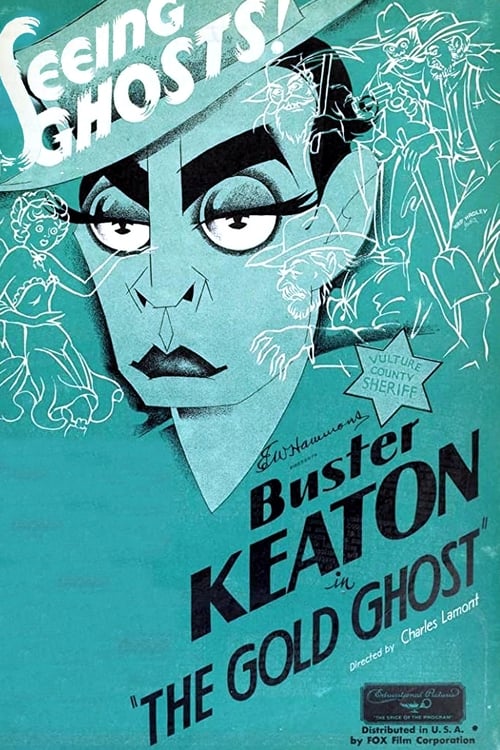
The Gold Ghost
1934
No user ratings available yet
Diversity score: 2.5 out of 10
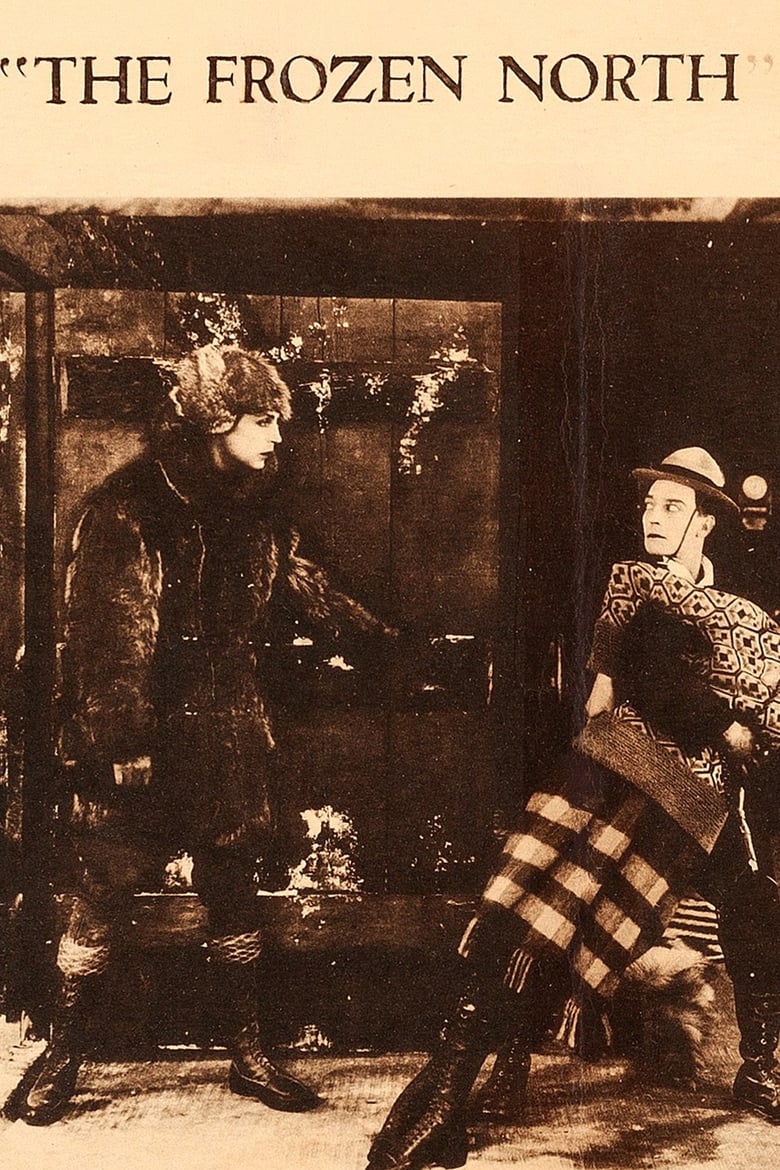
1922
UnratedDirector
Edward F. Cline, Buster Keaton
Runtime
18 minutes
Average Rating
No ratings yetSynopsis
A mix of guns and mistaken identity leads to chaos in this satirical parody of William S. Hart's melodramatic westerns, finding Buster in the frozen north - "the last stop on the subway".
Overall Score
Limited
Category Breakdown
LGBTQ+ Representation
The film adheres to the heteronormative social structures typical of 1922 silent comedy. There is no documented evidence of same-sex intimacy or non-cisnormative identities.
Gender Representation
Keaton deconstructs hyper-masculine Western tropes by portraying masculinity through physical ineptitude and mishap. However, the narrative lacks prominent female agency, relying on traditional supporting roles.
Racial & Ethnic Diversity
The film reflects the homogeneous casting practices of its era. The setting and genre focus on frontier archetypes that historically center on Anglo-Saxon perspectives.
Religious & Cultural Diversity
As a satire, the film mocks the sincerity of traditional Western institutions and heroic myths. It prioritizes situational absurdity over rigid patriotic or moralistic ideals.
Disability Representation
While Keaton’s stunts highlight bodily vulnerability, there is no evidence of characters with neurodivergence or physical disabilities serving as central narrative drivers.
Strengths
Areas for Improvement
AI Analysis
The Frozen North is a product of the early 1920s, a period defined by systemic demographic limitations. While it succeeds in subverting the stoic, invincible Western hero through Buster Keaton's signature physical comedy, it remains narrow in its social scope. The film's strength lies in its satirical approach to gender, using chaos to undermine rigid masculine hierarchies. However, this is offset by a lack of racial diversity and minimal female presence, which are characteristic of the Western genre during this era. Ultimately, the work functions more as a critique of genre tropes than as a vehicle for intersectional representation, reflecting the cultural constraints of its time.
1934
1947
1954
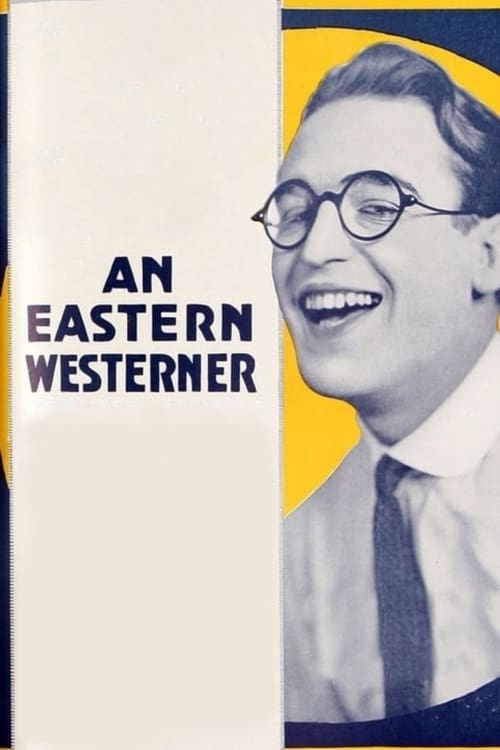
1920
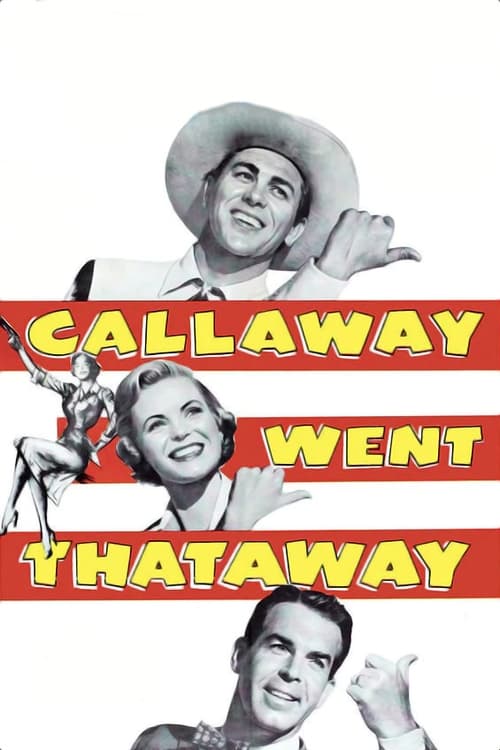
1951
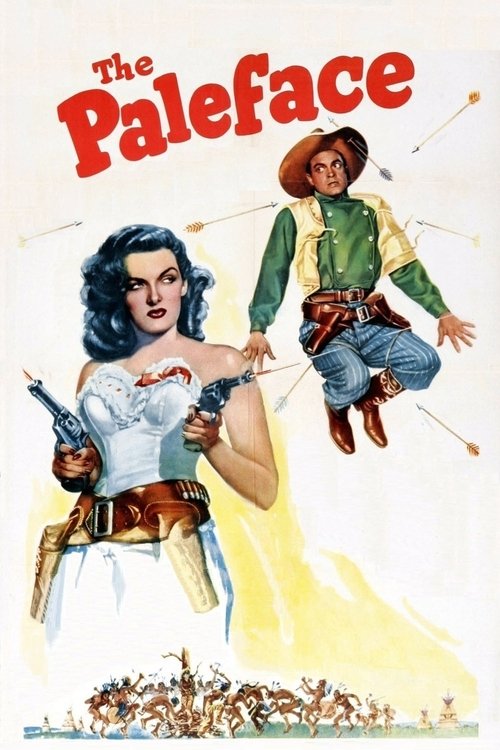
1948
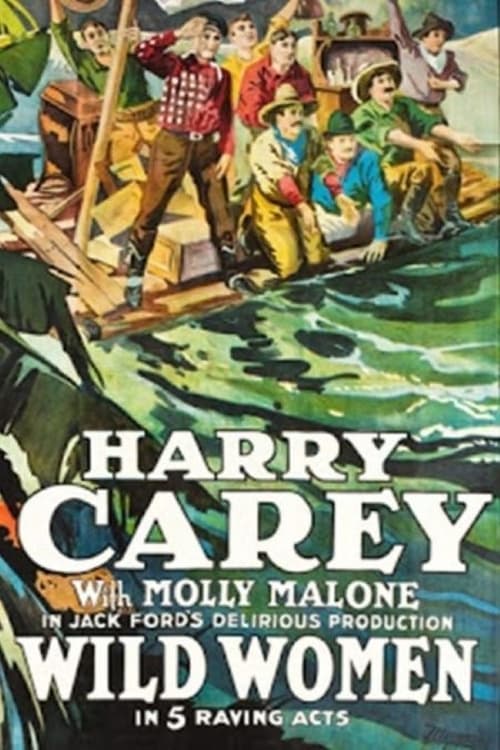
1918
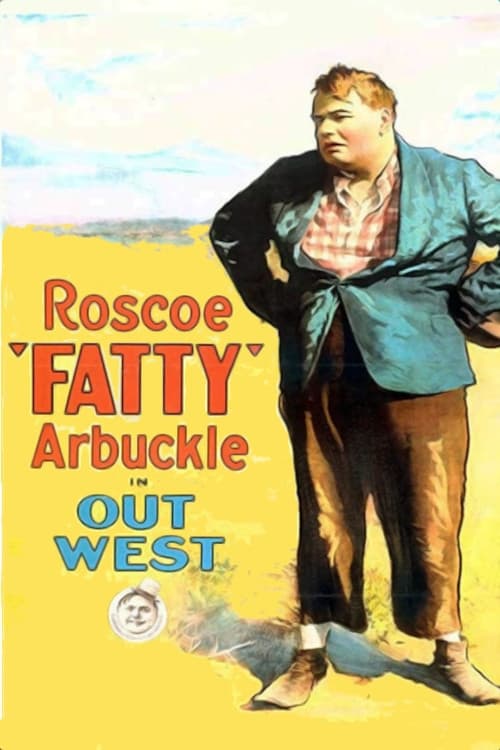
1918

1917
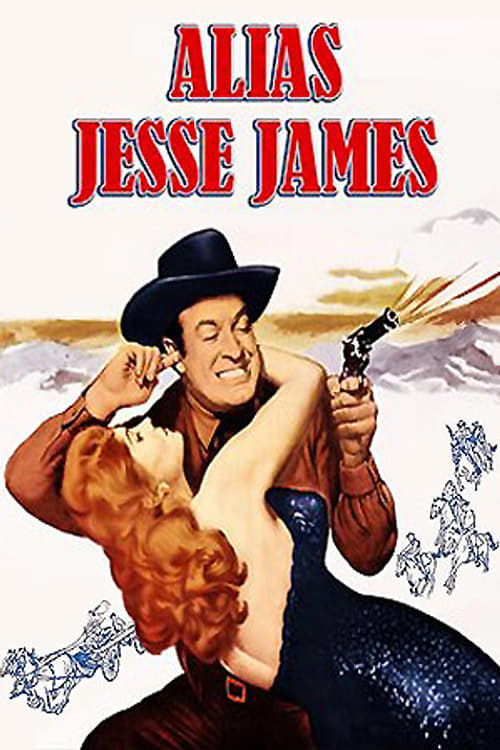
1959
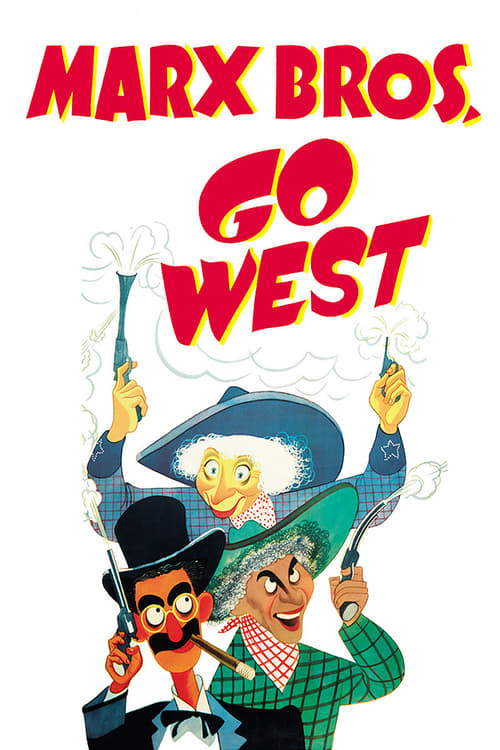
1940
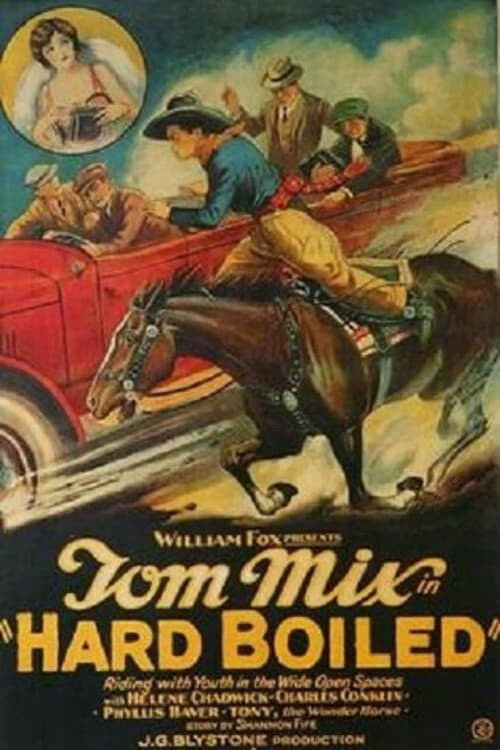
1926
No reviews yet. Be the first to share your thoughts on this movie!
Use the rating form above to leave a star rating and optional review.