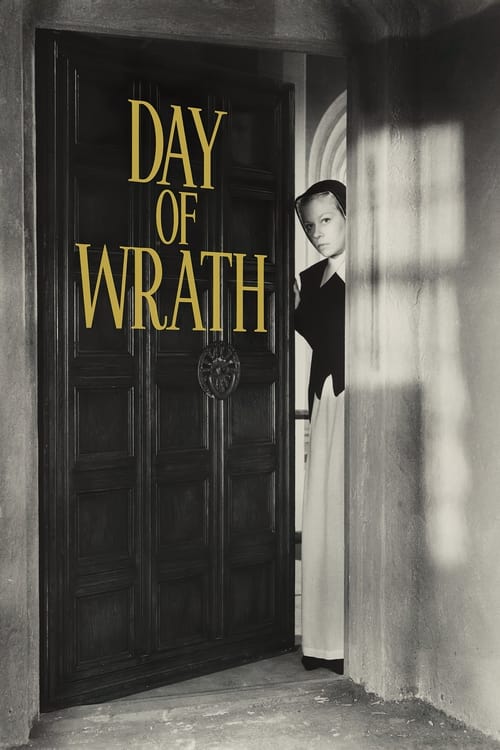
Day of Wrath
1943
No user ratings available yet
Representation score: 3.0 out of 10

Representation Score
Limited
1957
Director
Raymond Rouleau
Runtime
145 minutes
Average Rating
No ratings yetNew Showbiz Analysis
The film is a period drama that adheres strictly to the social and demographic norms of 1692 Salem. While it provides a character-driven look at how individual vengeance can trigger communal tragedy, it lacks modern multi-layered depth. The narrative is shaped by the historical constraints of its setting, resulting in a homogeneous cast and a focus on traditional patriarchal and religious structures. It prioritizes psychological realism over systemic social commentary. Ultimately, the production reflects the cinematic conventions of the late 1950s, focusing on a narrow, historically accurate depiction of colonial New England rather than diverse or progressive representation.
Category Breakdown
The story revolves around heterosexual romantic tensions between Abigail, John Proctor, and Elizabeth Proctor. There are no depictions of LGBTQ+ identities or same-sex intimacy.
Abigail drives the plot by using accusations to exert power within a restrictive society. However, the film relies on traditional clichés of female jealousy and domestic conflict.
The narrative focuses on a homogeneous Anglo-Saxon population in colonial New England. There are no non-white characters or diverse casting in roles of ability to act.
The film depicts a society governed by strict religious morality and communal conformity. It functions as a historical tragedy rather than a modern critique of Western institutions.
There is no documented evidence regarding the inclusion or portrayal of characters with physical or neurodivergent disabilities.
Present on Screen
Limited or Absent
Official Synopsis
Salem 1692. The young Abigail, seduced and abandoned by John Proctor, accuses John's wife of being a witch in revenge. A series of tragic trials soon befall Salem as fear and suspicion blur the lines of reality.
1943

1963
2002
1993

2016
1968
2020

1971
No reviews yet. Be the first to share your thoughts on this movie!
Use the rating form above to leave a star rating and optional review.