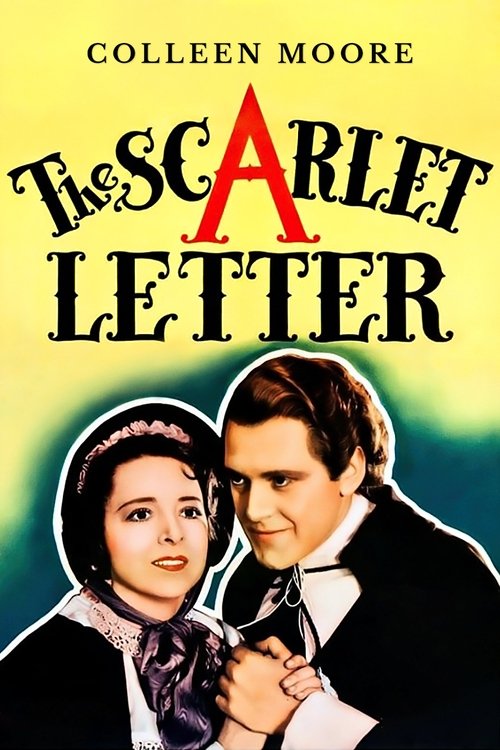
The Scarlet Letter
1934
No user ratings available yet
Representation score: 2.9 out of 10
Representation Score
Limited
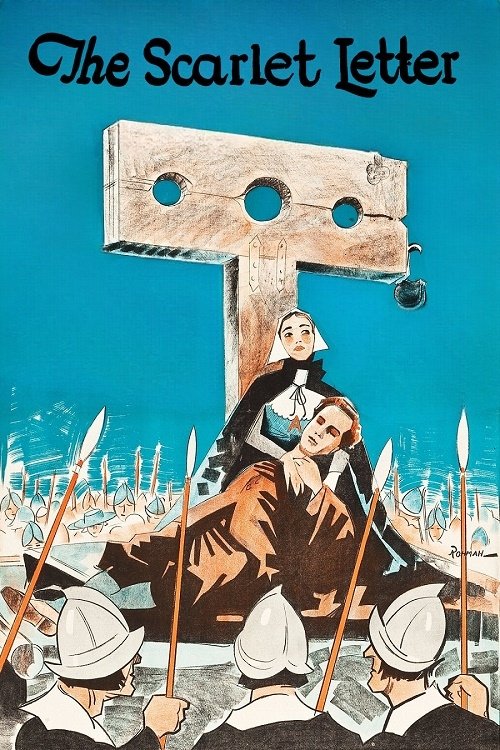
1927
PassedDirector
Victor Sjöström
Runtime
97 minutes
Average Rating
No ratings yetNew Showbiz Analysis
Victor Sjöström’s adaptation focuses on the psychological struggle between an individual and societal norms. Although limited by its historical context and lack of racial or LGBTQ+ diversity, the film excels in its critique of oppressive social structures. The strength of the work lies in its portrayal of Hester Prynne and its challenge to the rigid Puritan legal system. However, the film reflects the homogeneity of its time, lacking diverse racial or LGBTQ+ representation.
Category Breakdown
The film does not include any representations of LGBTQ+ identities or non-straight relationships.
Hester Prynne plays a significant role in driving the story, showing resilience and challenging the era's expectations of women.
The film portrays a community composed mainly of white, English descendants, with no representation of diverse racial backgrounds.
The film critiques rigid and hypocritical religious institutions, emphasizing individual conscience over strict adherence to religious laws.
The film does not feature any characters with physical or neurological disabilities as central traits or plot devices.
Present on Screen
Limited or Absent
Official Synopsis
In Puritan Boston, seamstress Hester Prynne and kindly Reverend Arthur Dimmesdale fall in love. After Dimmesdale must go away for a time to England, he returns to discover that Hester has given birth to their child and is the focus of local censure.
1934
1943
1925
1920
1917
1935

1924
1927
No reviews yet. Be the first to share your thoughts on this movie!
Use the rating form above to leave a star rating and optional review.