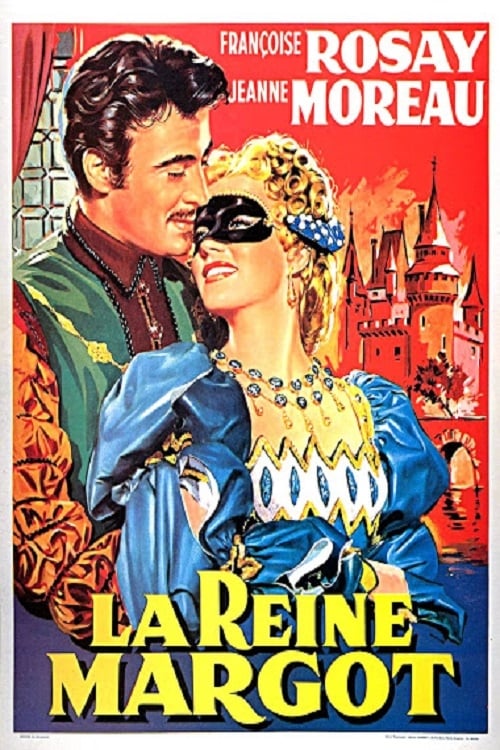
Queen Margot
1954
No user ratings available yet
Representation score: 4.5 out of 10
Representation Score
Limited
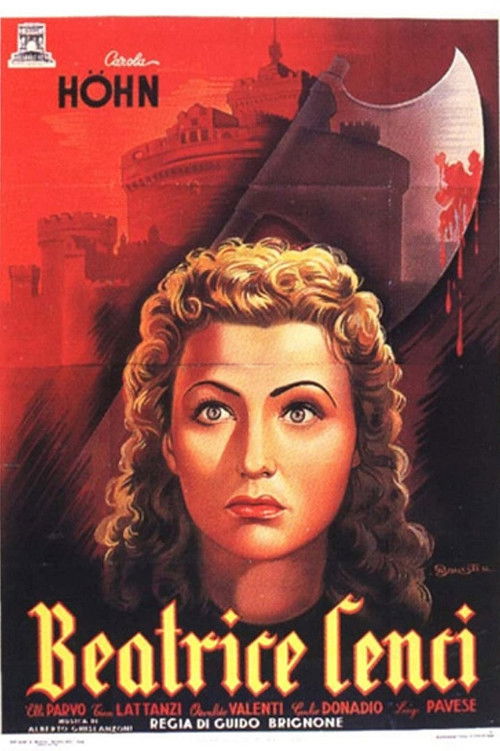
1941
Director
Guido Brignone
Runtime
80 minutes
Average Rating
No ratings yetNew Showbiz Analysis
Beatrice Cenci is a historical drama that stands out by challenging traditional gender hierarchies. By focusing on a female protagonist who fights against paternal tyranny, the film elevates the female experience beyond traditional domestic roles. This focus on individual ability to act against institutional rigidity adds moral complexity. However, the film is limited by the era's cinematic conventions. It lacks any representation of LGBTQ+ identities or non-straight narratives and maintains an ethnically homogeneous cast, which is typical for 1941 European period dramas. These omissions reduce the overall diversity of the film. Ultimately, the film succeeds as a critique of systemic abuse and patriarchal authority, even though it remains narrow in its demographic scope.
Category Breakdown
The film does not depict any non-straight or non-cisgender identities or stories. Character relationships are focused on traditional family and patriarchal structures.
Beatrice is shown as someone who drives change rather than being passive. She actively resists and dismantles the power of a dominant male figure through decisive actions.
The cast is ethnically uniform, reflecting the production standards of 1941 Italian cinema. The film lacks racial diversity or casting that includes actors from different ethnic backgrounds.
The story criticizes historical institutions by presenting the Roman judicial and religious systems as agents of injustice. It breaks down the sanctity of the traditional patriarchal family.
There is no significant depiction of physical or neurodivergent disabilities in the film.
Present on Screen
Limited or Absent
Official Synopsis
Italian historical drama portraying the story of the sixteenth century Italian noblewoman Beatrice Cenci.
1954

1963
1959

2009
1961
1951
1974

1909
No reviews yet. Be the first to share your thoughts on this movie!
Use the rating form above to leave a star rating and optional review.