
Devil's Bride
2016
No user ratings available yet
Representation score: 5.3 out of 10
Representation Score
Limited
1943
Not RatedDirector
Carl Theodor Dreyer
Runtime
97 minutes
Average Rating
No ratings yetNew Showbiz Analysis
Dreyer’s work is primarily a psychological study of repression rather than a display of demographic diversity. It excels in breaking down the sanctity of religious and patriarchal institutions, presenting them as mechanisms of suffering. The film’s strength lies in its critique of power structures and the psychological survival of individuals within those systems. However, the historical context confines the narrative to a singular ethnic perspective and excludes LGBTQ+ identities and disabilities.
Category Breakdown
The film adheres to a strict 17th-century Danish framework where there is no depiction of non-traditional gender identities or same-sex relationships.
The narrative focuses on the female experience and the psychological impact of living under rigid patriarchal control. Anne is a complex protagonist who struggles against the authority of such a system.
Set in rural Denmark during the 1600s, the film reflects the homogeneous population of that time period. It lacks characters from diverse ethnic backgrounds or actors playing roles outside their traditional backgrounds.
The film challenges religious doctrine, showing the church as an oppressive force. It highlights how fundamentalism can contribute to systemic cruelty.
While the film delves into intense psychological trauma and stress, it does not depict specific cases of neurodivergence or physical disabilities.
Present on Screen
Limited or Absent
Official Synopsis
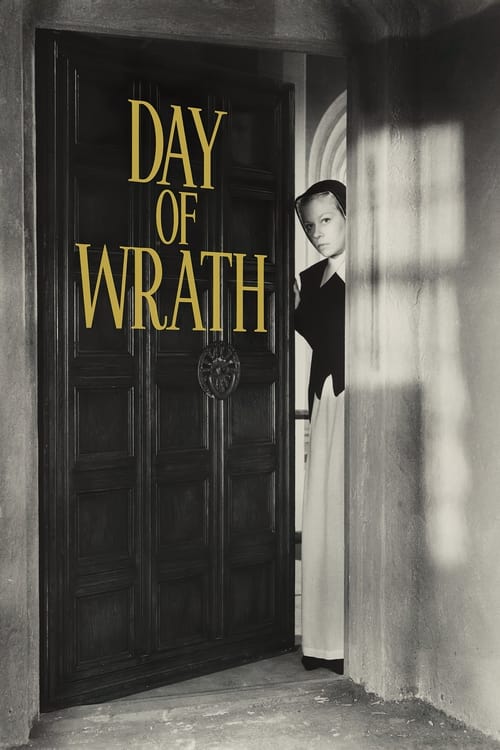
In a Danish village in the early 1600s, a young woman named Anne, whose mother was thought to be a witch, develops sympathy toward an old woman, Marte, who is accused of witchcraft. The intervention of Anne's older but kindly husband, Pastor Absalon saved her mother -- but now, urged on by his overbearing mother, he refuses to help Marte. When Absalon's son returns home and is attracted to Anne, it's a matter of time before her family destiny catches up with her.
2016

1928

1957

1963

2020
1993

1984

1971
No reviews yet. Be the first to share your thoughts on this movie!
Use the rating form above to leave a star rating and optional review.