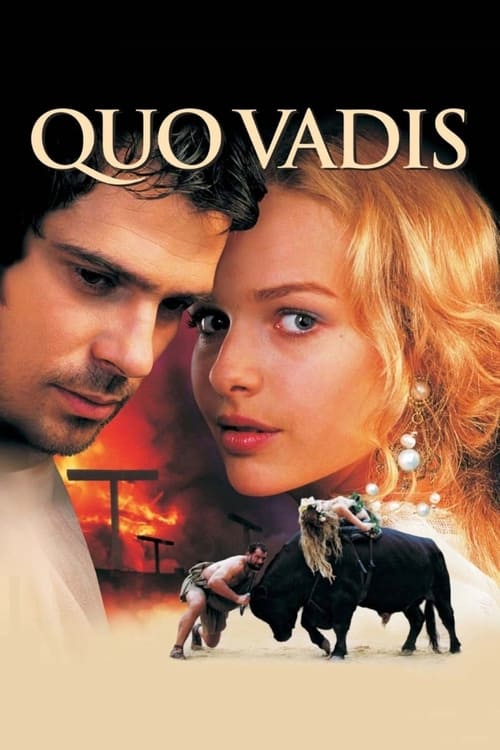
Quo Vadis
2001
No user ratings available yet
Representation score: 3.9 out of 10
Representation Score
Minimal
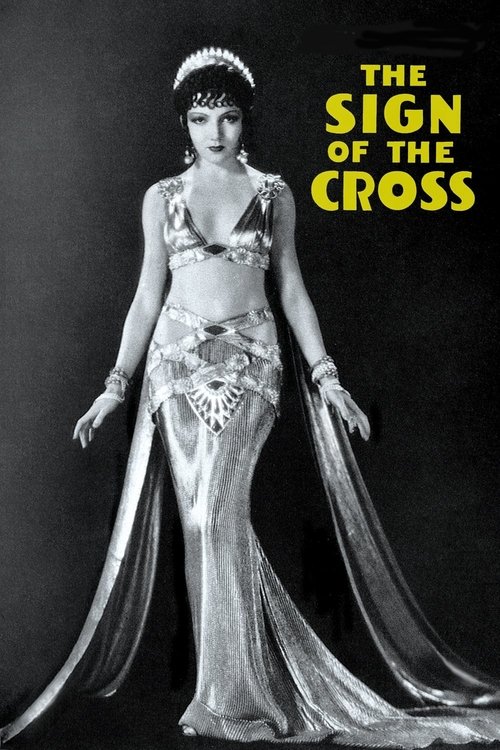
1932
ApprovedDirector
Cecil B. DeMille
Runtime
126 minutes
Average Rating
No ratings yetNew Showbiz Analysis
The Sign of the Cross operates as a classic Hollywood epic, emphasizing traditional moral hierarchies and religious orthodoxy. The film employs archetypal characters that support the social and spiritual norms of its time. Although the story offers spiritual depth through its central conflict, it lacks complexity in reflecting diverse perspectives. The narrative structure reinforces established institutional norms without challenging them through varied viewpoints. Overall, the film adheres to the conservative production standards of 1932, emphasizing imperial authority and spiritual sacrifice within a narrow demographic scope.
Category Breakdown
The film does not depict any LGBTQ+ identities or same-sex relationships. The romance focuses solely on a traditional heterosexual relationship.
Eugenia's role emphasizes her spiritual strength, but she is portrayed as a submissive and virtuous woman. Marcellus holds the dominant position, showcasing physical and political power.
The film features a predominantly white cast for both Roman and Judean roles. It does not make an effort to represent the ethnic diversity of the 1st-century Levant.
The story emphasizes divine laws and religious institutions, focusing on moral absolutism. It contrasts the Roman state with Christian morality to highlight spiritual values.
The film includes no characters with visible or invisible disabilities. Disability is not used as a theme or character element in the narrative.
Present on Screen
Limited or Absent
Official Synopsis
A Roman soldier becomes torn between his love for a Christian woman and his loyalty to Emperor Nero.
2001

1951
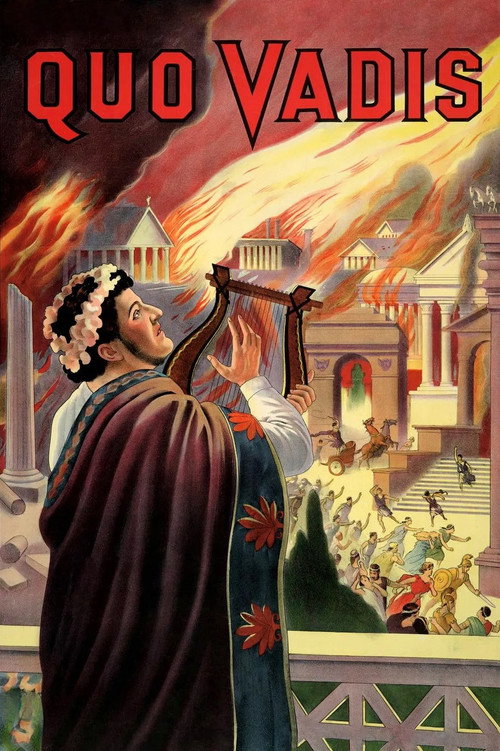
1913
1963
1923
1928
1927

1953
No reviews yet. Be the first to share your thoughts on this movie!
Use the rating form above to leave a star rating and optional review.