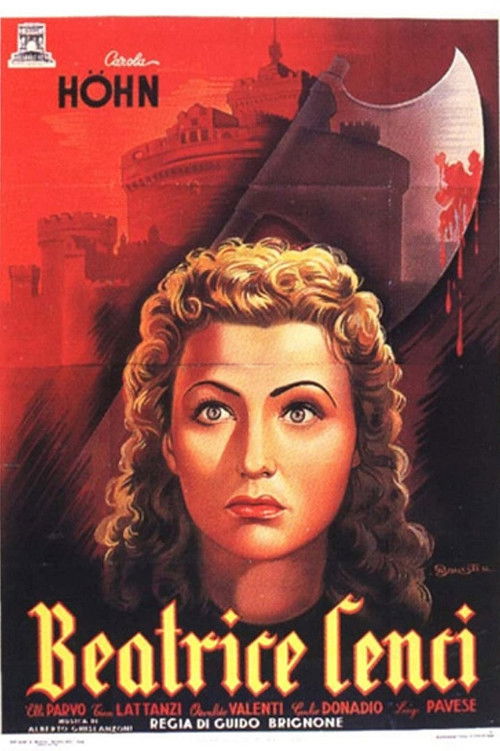
Beatrice Cenci
1941
No user ratings available yet
Representation score: 2.8 out of 10
Representation Score
Fair
1954
Director
Jean Dréville
Runtime
106 minutes
Average Rating
No ratings yetNew Showbiz Analysis
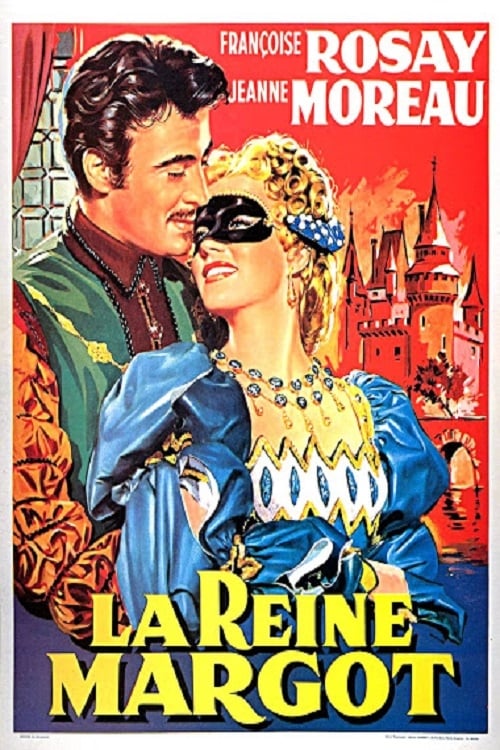
Queen Margot (1954) stands out by challenging traditional power structures. Despite the limitations of its historical setting, the film excels in critiquing the corruption of ruling classes and religious institutions. The protagonist, Marguerite de Valois, offers a powerful counter-narrative to the idea of a passive royal woman, using her position and gendered expectations to navigate a violent political environment.
Category Breakdown
The film doesn't show any non-straight relationships or same-sex intimacy. It focuses on the marriage between Marguerite de Valois and Henri de Navarre, highlighting traditional romantic and political bonds.
Queen Margot is portrayed as a strong leader who uses her position and gender expectations to navigate political violence and protect her husband.
Set in 16th-century France, the film depicts a society with little racial or ethnic diversity. The main conflicts stem from religious differences rather than racial ones.
The film criticizes monarchy and religious institutions, showing them as corrupt and deceptive forces rather than stabilizing elements.
Characters are shown as wounded during the conflict, but there are no characters with permanent physical or neurodivergent disabilities as central figures.
Present on Screen
Limited or Absent
Official Synopsis
Marguerite de Valois, daughter of Catherine de Médicis, celebrates her wedding with Henri de Navarre. Officially, it's a rapprochement between the League and the Huguenots. In fact, it was an opportunity to bring all the Huguenots to Paris and kill them all at once. King Charles IX fails in his attempt on Coligny's life. Queen Margot tries to save her husband from the St. Bartholomew's Day massacre by preventing the annulment of his marriage, forcing Henri to share her bed. Two knights from opposing camps are wounded and, saved în extremis, are hidden together by the queen and her cousin. Margot falls in love with one of them, but has to run to warn her husband of a new attack...
1941

1963
1994
1944
1955
1953
1961

1954
No reviews yet. Be the first to share your thoughts on this movie!
Use the rating form above to leave a star rating and optional review.