Socrates
1971
No user ratings available yet
Representation score: 0.8 out of 10
Representation Score
Limited
1982
Not RatedDirector
Daniel Vigne
Runtime
107 minutes
Average Rating
No ratings yetNew Showbiz Analysis
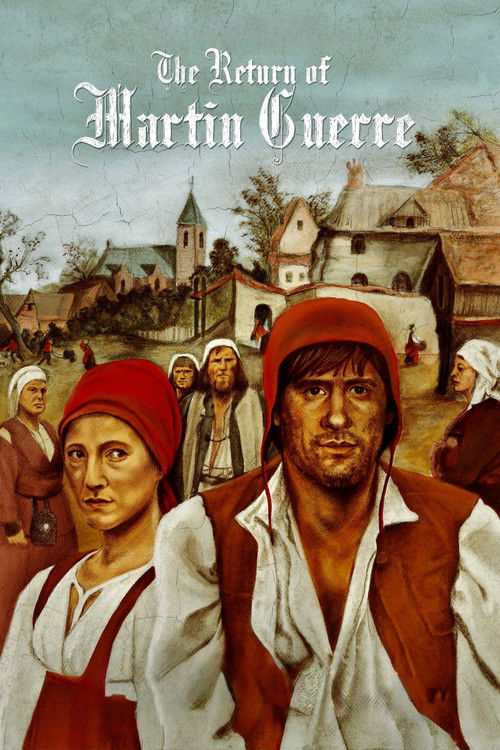
This historical drama focuses on accurately depicting 16th-century French society, which limits its representation of modern diversity. However, the film avoids being a straightforward patriarchal narrative by emphasizing Bertrande de Rols' active role and psychological depth. The narrative also explores moral relativism and the subjective nature of truth, adding intellectual complexity. Overall, the film is a study of identity and social continuity rather than a diverse ensemble piece. It excels in character development and thematic depth despite its narrow demographic focus.
Category Breakdown
The film adheres to the strict heterosexual norms of 16th-century Béarn. There are no representations of same-sex relationships or non-binary gender identities.
Bertrande de Rols is the emotional core of the narrative. Despite the patriarchal setting, the story highlights her active role and psychological journey.
The casting reflects the historical uniformity of rural southern France. The film maintains a Eurocentric focus consistent with its 16th-century setting.
The story delves into the tension between institutional authority and personal beliefs. It provides a nuanced look at identity through moral ambiguity.
There are no significant portrayals of physical or cognitive disabilities that play central roles in the narrative.
Present on Screen
Limited or Absent
Official Synopsis
Village of Artigat, southern France, summer 1542, during the reign of Francis I. Martin Guerre and Bertrande de Rols marry. A few years later, accused of having committed a robbery, Martin suddenly disappears. When, almost a decade later, a man arrives in Artigat claiming to be Martin, the Guerre family recognizes him as such; but doubts soon arise about his true identity.
1971

1963
1987
1943

2013
1993

1994

2009
No reviews yet. Be the first to share your thoughts on this movie!
Use the rating form above to leave a star rating and optional review.