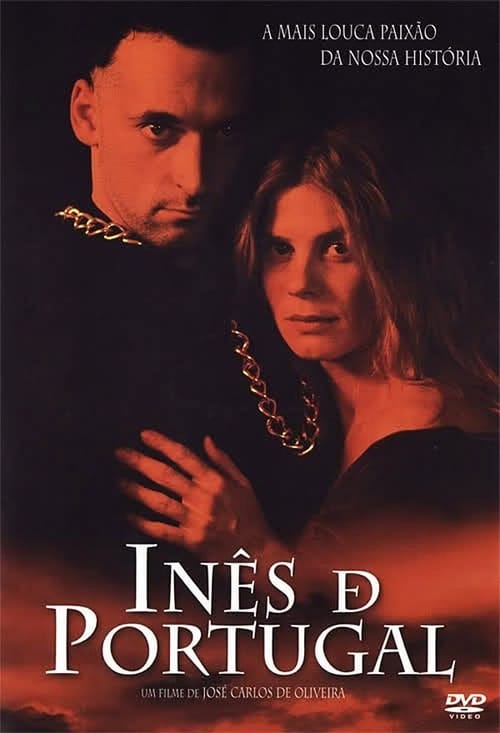
Inês de Portugal
1997
No user ratings available yet
Representation score: 3.2 out of 10

Representation Score
Good
2014
Director
Dominic Dromgoole
Runtime
150 minutes
Average Rating
No ratings yetNew Showbiz Analysis
This adaptation of Webster’s tragedy successfully subverts traditional narratives by aggressively challenging patriarchal authority. The Duchess stands as a powerful symbol of female empowerment against a backdrop of institutional cruelty. While the film excels in critiquing gender hierarchies and institutional corruption, it falls short in other areas. The absence of explicit LGBTQ+ identities and the use of mental instability as a mere plot device prevent a higher diversity rating. Overall, the production uses its historical setting to challenge traditional Western power structures, offering a sharp critique of religious and class-based oppression.
Category Breakdown
The film doesn't include explicit LGBTQ+ characters or stories. It explores psychological complexity and repressed desires but doesn't use specific identity markers to critique the assumption that everyone is straight or cisgender.
The Duchess is a strong character who defies patriarchal rules to make her own decisions. Male antagonists challenge the idea of stable male leadership by showing systemic dysfunction and cruelty.
Supporting roles have a diverse cast, but central roles stay true to the historical European setting without using actors from different backgrounds. This limits the representation of racial diversity in key positions.
The film criticizes religious corruption by portraying the Church as an oppressive force. It also highlights the predatory behavior of class hierarchies between the aristocracy and the steward.
Themes of psychological trauma and madness drive the story but are used more as plot devices for moral decay than as nuanced portrayals of lived neurodivergent experiences.
Present on Screen
Limited or Absent
Official Synopsis
The widowed Duchess of Malfi longs to marry her lover, the steward Antonio. But her rancorous brothers, Ferdinand and the Cardinal, are implacably opposed to the match. When their spy, Bosola, discovers that the Duchess has secretly married and carries Antonio’s child, they exact a terrible and horrific revenge.
1997
1993
1952
1943
1987
1982
2001

1986
No reviews yet. Be the first to share your thoughts on this movie!
Use the rating form above to leave a star rating and optional review.