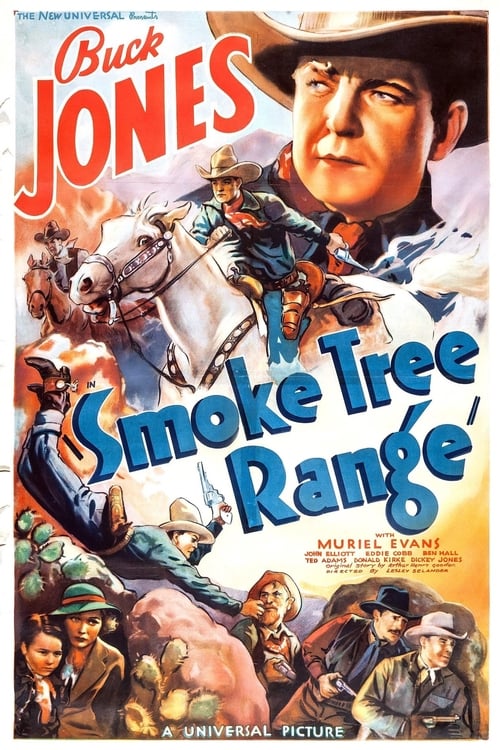
Smoke Tree Range
1937
No user ratings available yet
Diversity score: 2.5 out of 10
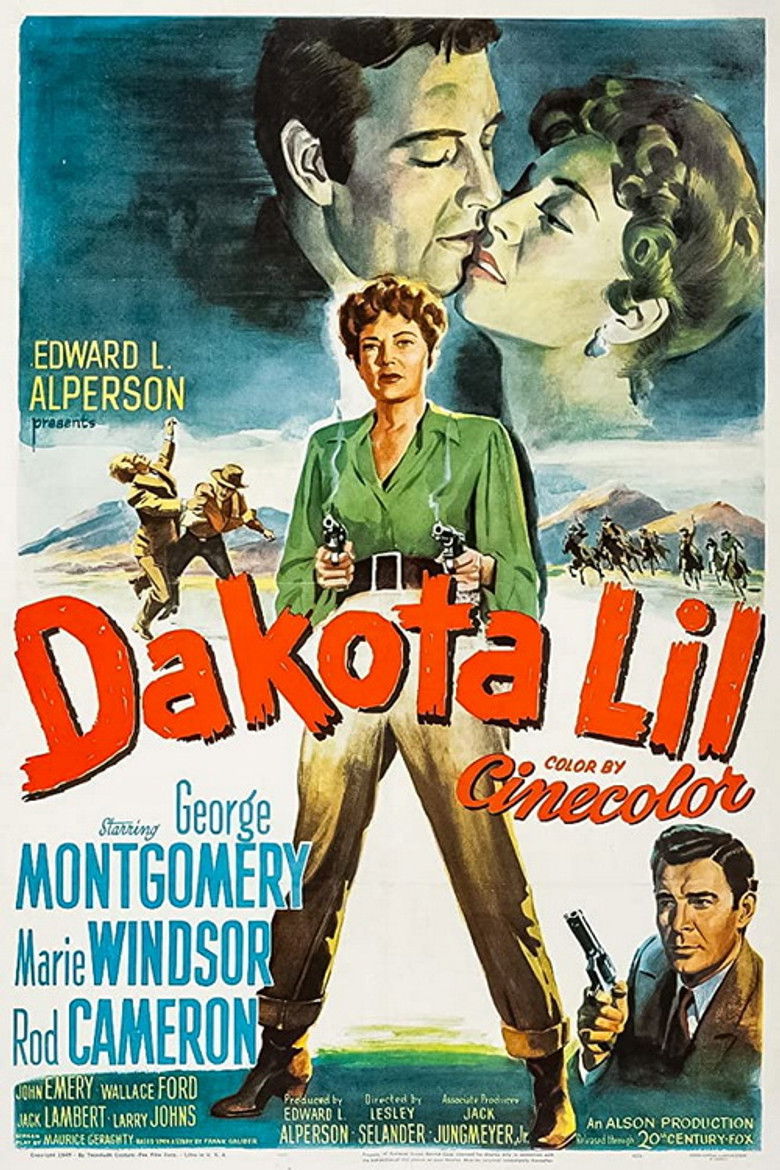
1950
ApprovedDirector
Lesley Selander
Runtime
88 minutes
Average Rating
No ratings yetSynopsis
Female outlaw helps lawmen trap railroad bandits.
Overall Score
Limited
Category Breakdown
LGBTQ+ Representation
The film lacks any evidence of non-heteronormative identities or same-sex intimacy. It adheres to the standard romantic and platonic archetypes common in 1950s cinema.
Gender Representation
A female outlaw provides a rare degree of agency for the era. However, her role ultimately serves to support lawmen and reinforce existing social structures.
Racial & Ethnic Diversity
The film appears to follow the homogeneous racial norms typical of mid-century Westerns. It focuses on Anglo-Saxon protagonists without evidence of diverse casting.
Religious & Cultural Diversity
The narrative supports the stabilization of Western institutions like the railroad and law enforcement. It lacks any critique of these established social frameworks.
Disability Representation
There is no discernible information regarding the portrayal of physical or neurodivergent disabilities in this title.
Strengths
Areas for Improvement
AI Analysis
Dakota Lil is a conventional mid-century Western that prioritizes genre tropes over social subversion. While the central female character possesses more agency than typical period roles, her actions ultimately serve to uphold traditional legal hierarchies. The film lacks intersectional complexity, focusing instead on the expansion of infrastructure and the establishment of order. It functions as a standard narrative of frontier justice rather than a critique of systemic power.
1937
1941
1947
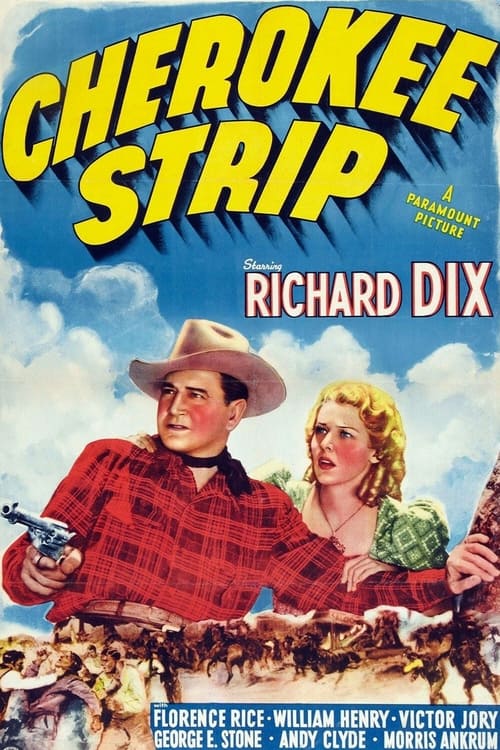
1940

1940
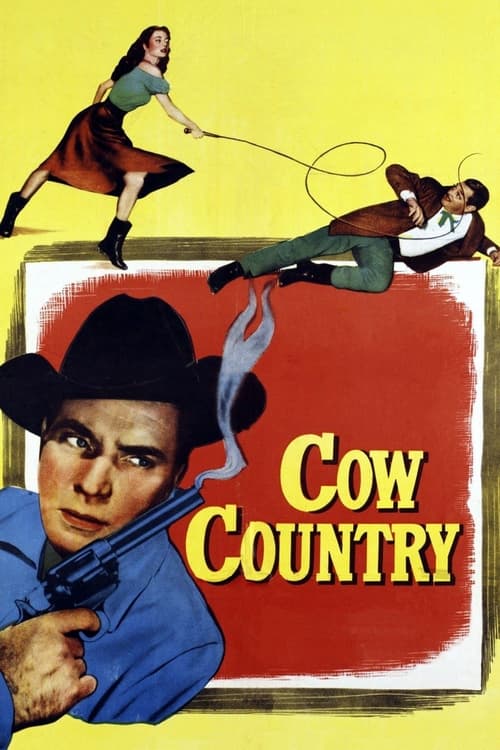
1953
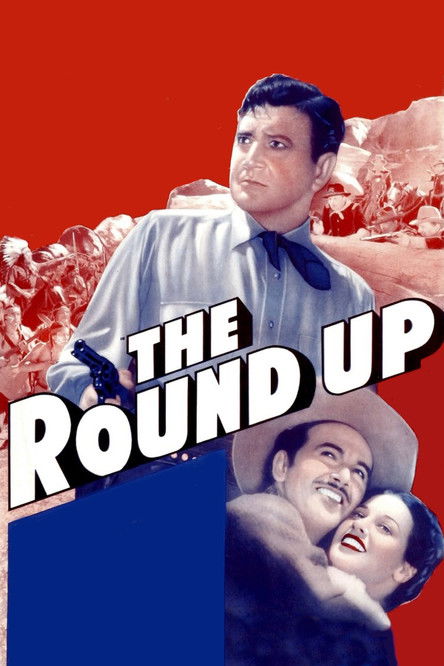
1941
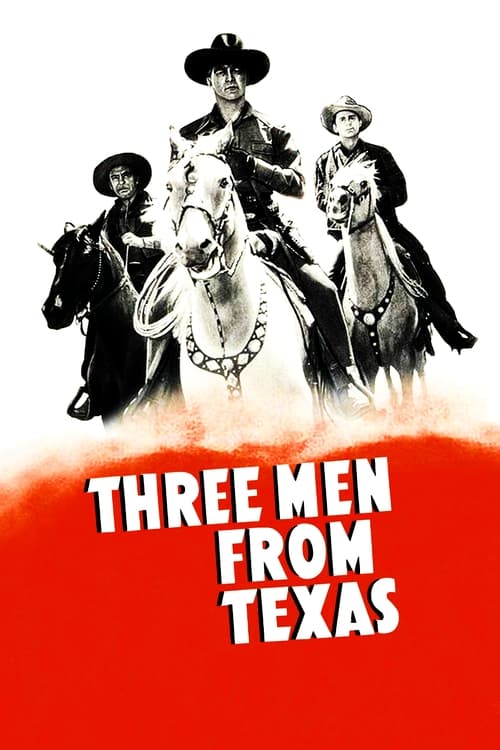
1940

1952
1952
1955
1948
No reviews yet. Be the first to share your thoughts on this movie!
Use the rating form above to leave a star rating and optional review.