
Arrow In The Dust
1954
No user ratings available yet
Diversity score: 1.6 out of 10
1940
ApprovedDirector
Lesley Selander
Runtime
76 minutes
Average Rating
No ratings yetSynopsis
Hoppy and new sidekick California Carlson head to California to help out Lucky Jenkins.
Overall Score
Minimal
Category Breakdown
LGBTQ+ Representation
The film adheres to strict heteronormative structures. There is no presence of non-cisnormative identities or same-sex intimacy.
Gender Representation
Narrative agency is concentrated almost exclusively in male protagonists. Women occupy secondary, domestic, or passive roles that serve as catalysts for male action.
Racial & Ethnic Diversity
The production presents a predominantly white cast and lacks ethnic plurality. There is no evidence of characters of color with significant agency.
Religious & Cultural Diversity
The story reinforces traditional values of law and order. It validates the existing social and moral status quo without critiquing Western institutions.
Disability Representation
No visible or invisible disabilities are portrayed. Characters are defined by the standard physical capabilities required by the Western genre.
Strengths
Areas for Improvement
AI Analysis
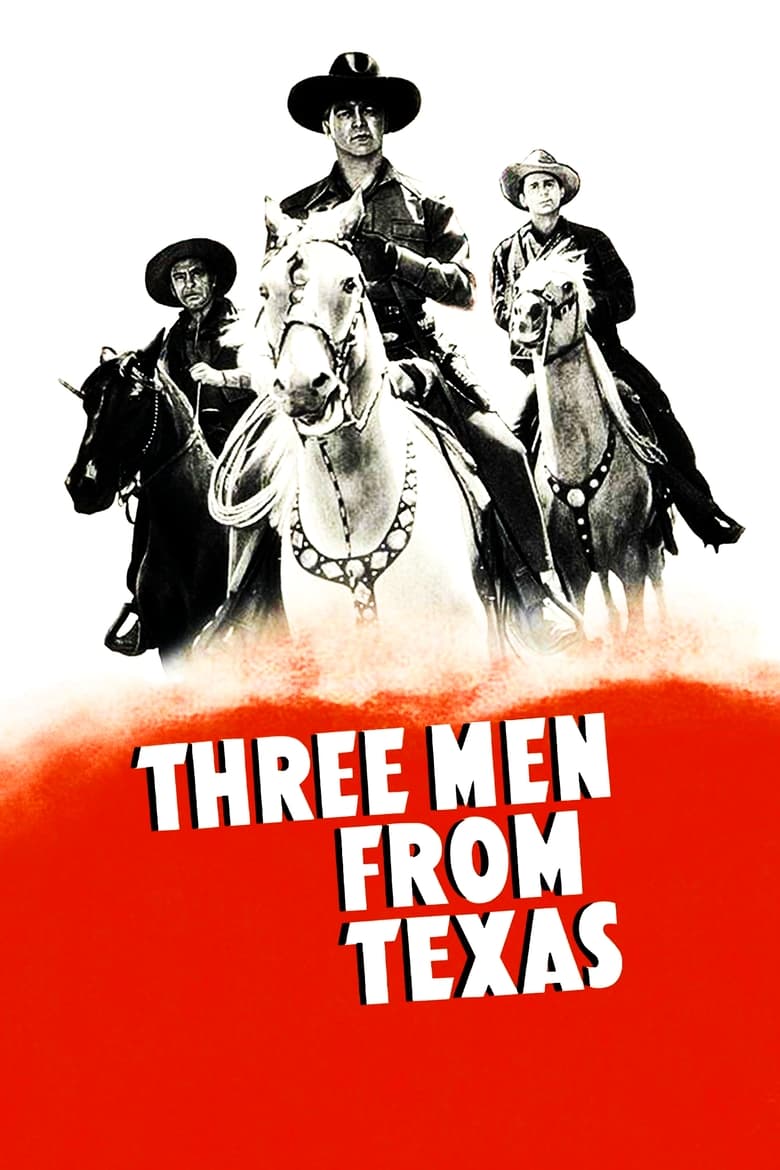
Three Men from Texas is a quintessential 1940s B-Western that functions as a reinforcement of the era's dominant cultural archetypes. The film lacks the intentionality to disrupt conventional expectations regarding identity or social hierarchy. The narrative is built upon a rigid adherence to traditional structures, focusing on masculine leadership and frontier justice. This results in a homogeneous social landscape that mirrors the period's lack of intersectional visibility. Ultimately, the film serves to validate established norms rather than challenge them, offering a narrow view of the American West through a strictly traditional lens.
1954

1953
1937
1947

1940
1941
1948

1940
1942

1940

1952

1939
No reviews yet. Be the first to share your thoughts on this movie!
Use the rating form above to leave a star rating and optional review.