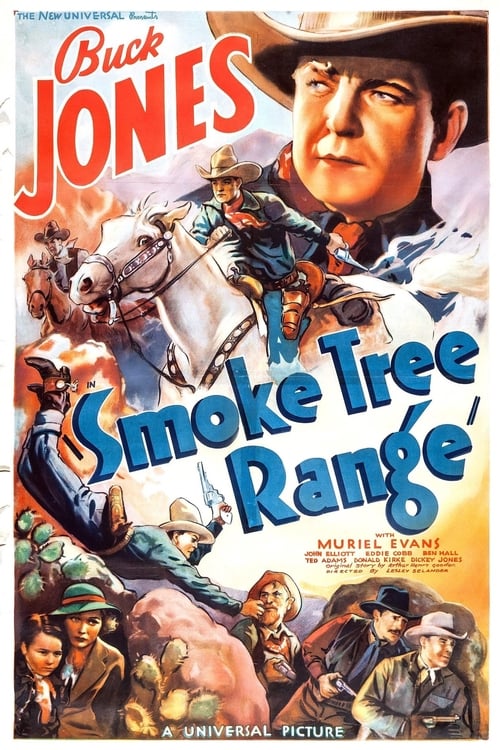
Smoke Tree Range
1937
No user ratings available yet
Representation score: 1.4 out of 10
Representation Score
Minimal
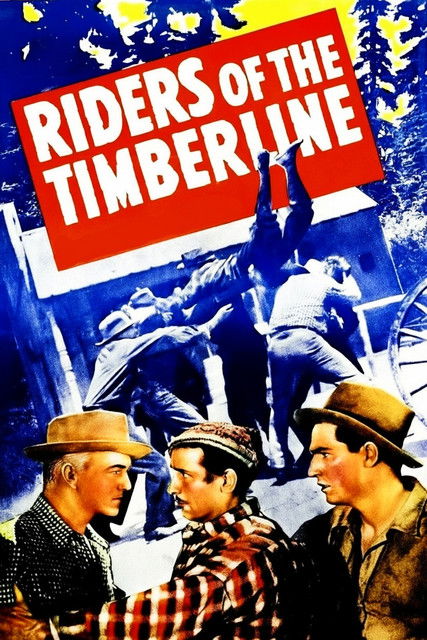
1941
ApprovedDirector
Lesley Selander
Runtime
59 minutes
Average Rating
No ratings yetNew Showbiz Analysis
Riders of the Timberline is a classic example of early 1940s B-movie Westerns. It functions as a standard genre piece that reinforces the social and cinematic norms of its time rather than challenging them. The narrative relies on traditional clichés, focusing on male-driven action and the protection of established economic interests. It lacks the complexity or intentional subversion of norms found in more progressive media. Ultimately, the film serves as a representative specimen of its era, adhering to homogeneous casting norms and conventional social hierarchies.
Category Breakdown
The film does not include any LGBTQ+ characters or narratives. It follows the traditional romantic structures typical of 1941 cinema.
Male characters such as Hopalong Cassidy and Johnny Nelson play significant roles in driving the plot. A female character assists in saving her family business, but the roles align with traditional gender hierarchies.
The film adheres to the standard Western archetypes of the time. It centers on white protagonists and does not show evidence of a diverse or non-Anglo-Saxon cast.
Themes revolve around protecting private enterprises and family assets from sabotage. The narrative upholds traditional Western values regarding property rights and hard work.
There is no indication of the portrayal of physical or neurodivergent disabilities in this production.
Present on Screen
Limited or Absent
Official Synopsis
Hopalong Cassidy and Johnny Nelson ride to the mountains to help a man and his daughter save their logging business from someone who is sabotaging their efforts.
1937
1947
1934
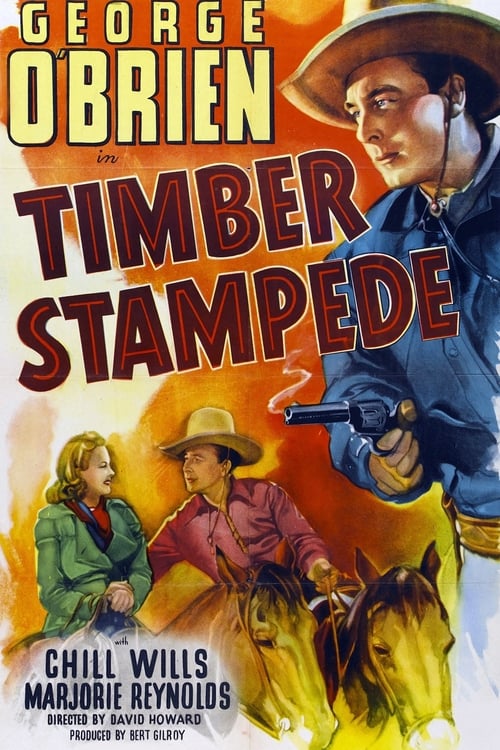
1939

1940
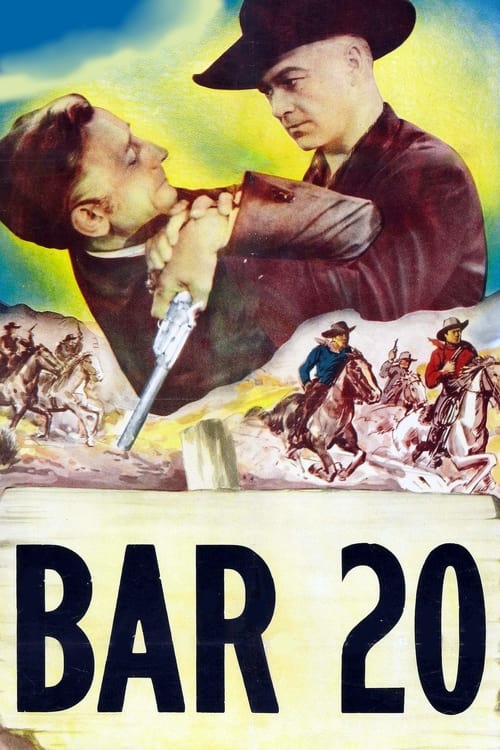
1943
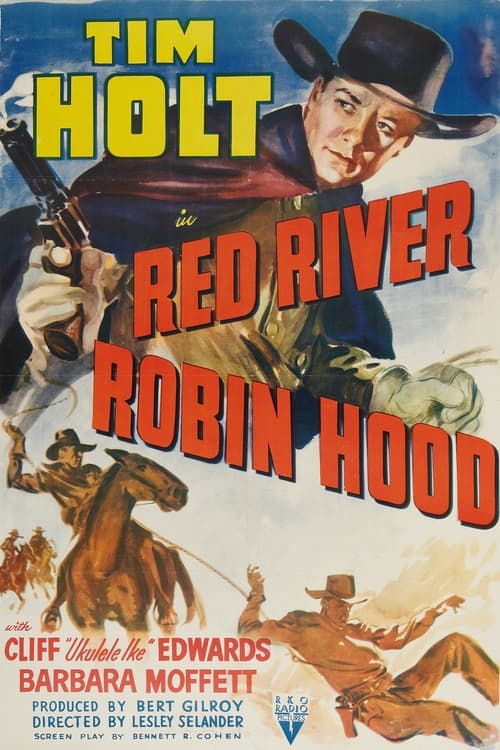
1942
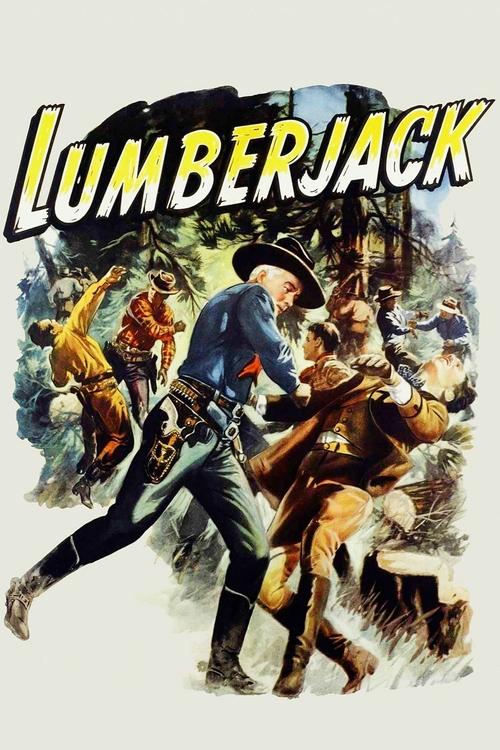
1944
No reviews yet. Be the first to share your thoughts on this movie!
Use the rating form above to leave a star rating and optional review.