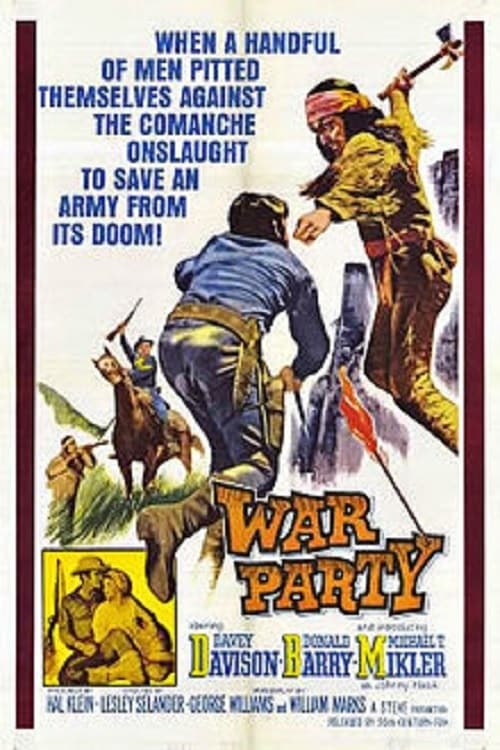
War Party
1965
No user ratings available yet
Representation score: 0.6 out of 10
Representation Score
Minimal
1957
NRDirector
Lesley Selander
Runtime
60 minutes
Average Rating
No ratings yetNew Showbiz Analysis
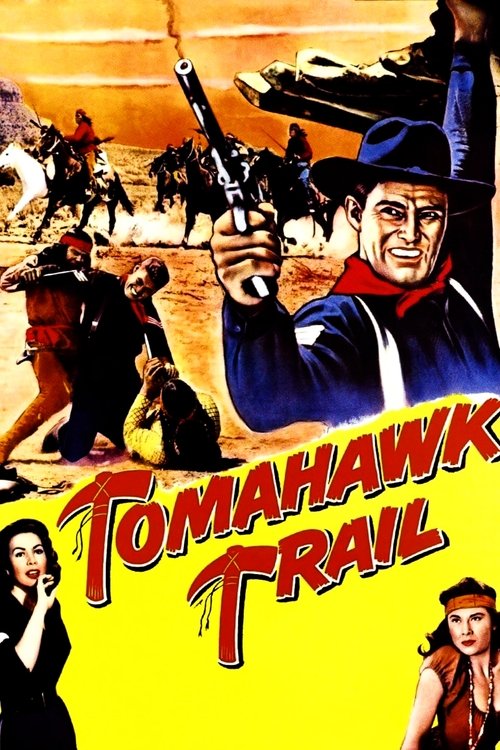
Tomahawk Trail is a typical mid-century Western that strictly follows the social hierarchies of the 1950s. It upholds the myth of the frontier, emphasizing colonial expansion and the necessity of strict military structures. The film operates within a binary framework of protector versus threat, avoiding any critique of power dynamics. Instead, it validates the concept of frontier justice and the maintenance of the established social order. Ultimately, the film serves to reinforce the mid-century status quo, lacking any intention to challenge conventional clichés or provide diverse representation.
Category Breakdown
The film does not include any visible or implied LGBTQ+ identities. The story is based entirely on traditional assumptions about straight relationships and gender matching what was assigned at birth.
Leadership and physical action are solely male domains. The contrast between an incompetent Lieutenant and a capable Sergeant highlights the importance of traditional masculine roles.
Native Americans are portrayed as antagonists, serving as a systemic threat to justify the defensive actions of the white military group.
The story emphasizes Western expansion and military institutions. It presents frontier justice as essential for establishing a Western presence.
There are no prominent depictions of physical or neurological disabilities. No characters with disabilities are shown to drive the narrative or have significant influence.
Present on Screen
Limited or Absent
Official Synopsis
Led by an incompetent Lieutenant, a troop of soldiers is on the Tomahawk Trail in Apache territory. When he lets the Indians steal their horses and gets slightly wounded in a skirmish, Sergeant McCoy takes over command. McCoy successfully gets them to the fort only to find all the soldiers have been murdered by the Apaches. He prepares the troops for an attack knowing if they survive the Lieutenant plans to have him court marshaled.
1965
1966
1965
1959
1955
1965
1948
1960
No reviews yet. Be the first to share your thoughts on this movie!
Use the rating form above to leave a star rating and optional review.