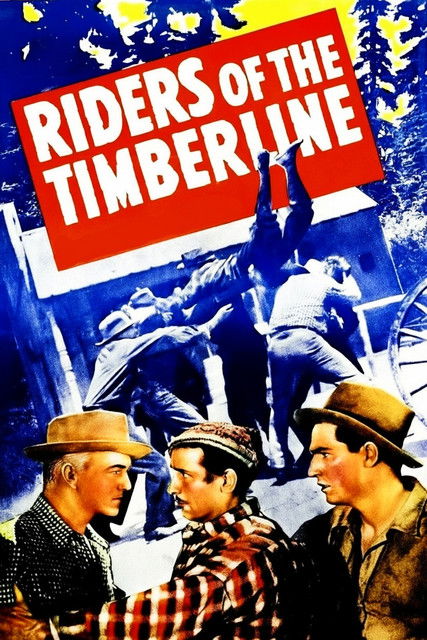
Riders of the Timberline
1941
No user ratings available yet
Representation score: 1.4 out of 10
Representation Score
Minimal
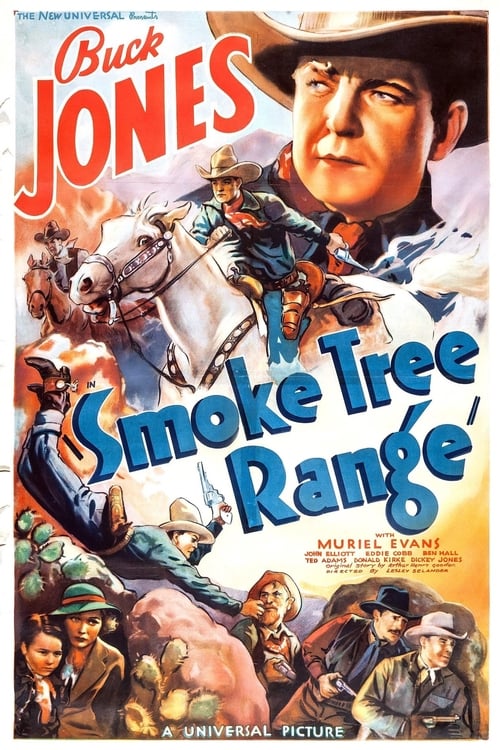
1937
ApprovedDirector
Lesley Selander
Runtime
55 minutes
Average Rating
No ratings yetNew Showbiz Analysis
Smoke Tree Range is a conventional B-Western that prioritizes established genre clichés over narrative subversion. The film functions as a standard example of 1930s cinema, relying on a hero-protector archetype to drive its simple plot. The production reinforces existing social hierarchies and traditional moral dichotomies. By centering the narrative on a male cowboy protecting an orphaned girl, the film maintains the era's standard gender and racial dynamics. Ultimately, the film serves as a period piece that reflects the socio-cultural constraints of its time, offering little in the way of diverse representation or systemic critique.
Category Breakdown
The film does not include any characters with LGBTQ+ identities or perspectives. It likely reinforces traditional romantic and gender roles.
The narrative follows a classic damsel in distress storyline where the orphaned girl motivates the plot, but the male protagonist retains control over the story.
The film centers white protagonists and follows period-typical casting practices. There is no evidence of race-blind casting or challenging Anglo-centric narratives.
The story upholds traditional Western values such as property protection and individual vigilante justice. It relies on a binary moral framework of good versus evil.
There is no evidence of characters with visible or invisible disabilities being included or portrayed.
Present on Screen
Limited or Absent
Official Synopsis
A cowboy aids an orphaned girl whose cattle are being rustled by an outlaw gang.
1941
1939
1934
1934
1935
1934
1939
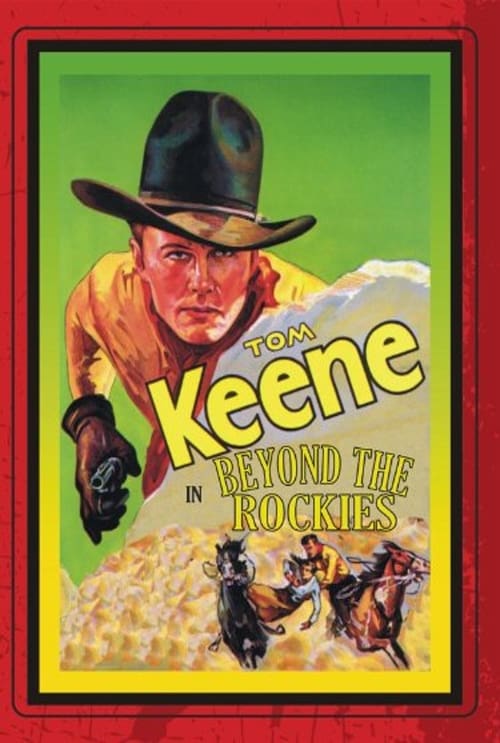
1932
No reviews yet. Be the first to share your thoughts on this movie!
Use the rating form above to leave a star rating and optional review.