
Taira Clan Saga
1955
No user ratings available yet
Representation score: 3.8 out of 10
Representation Score
Limited
1961
Director
Daisuke Itō
Runtime
110 minutes
Average Rating
No ratings yetNew Showbiz Analysis
The film is a period drama that emphasizes the psychological impact of feudalism over contemporary characters who reflect more than one aspect of diversity. It critiques systemic duty and rigid hierarchies. While the cast is ethnically uniform, the narrative challenges traditional clichés by presenting a politically active and manipulative female antagonist. This contrasts with the passive matriarch stereotype in historical settings. Ultimately, the work explores the tension between individual autonomy and political obligations. It remains a product of its time, focusing on the domestic sphere as a site for manipulation.
Category Breakdown
The story revolves around an arranged marriage between Saburo Nobuyasu and Tokuhime. There are no representations of LGBTQ+ identities or non-assuming gender matches what was assigned at birth gender expressions.
A manipulative mother serves as a key antagonist, driving the political plot through strategic maneuvering. However, the wife's role seems limited by her political union.
The cast is ethnically uniform, reflecting the cultural context of the Sengoku period. The film focuses solely on the internal dynamics of Japanese nobility.
The film criticizes traditional institutions by depicting arranged marriages as sources of unhappiness. It portrays the family unit as a means for political transactions rather than personal connections.
There is no visible representation of physical or neurodivergent disabilities in the film.
Present on Screen
Limited or Absent
Official Synopsis
Young lord Saburo Nobuyasu struggles to find comfort in life. His arranged marriage to Tokuhime, daughter of one-time family enemy Oda Nobunaga, provides little happiness. His manipulative mother adds further complications through her constant interference and attempts at defeating the Nobunaga family.
1955
1953

1948
1967
1995
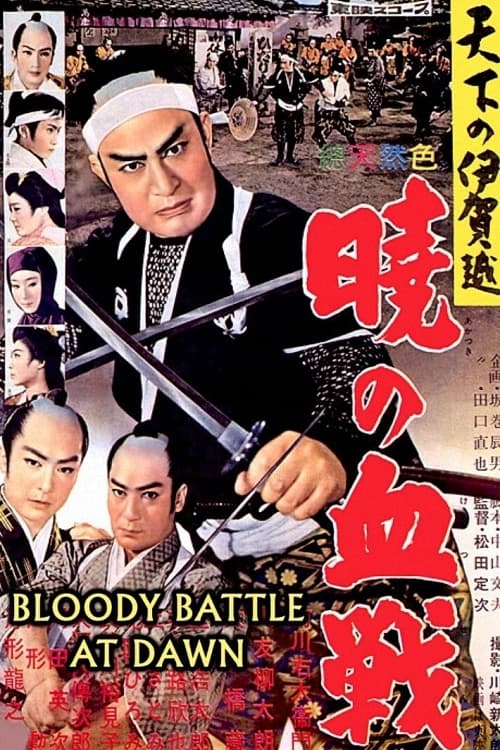
1959
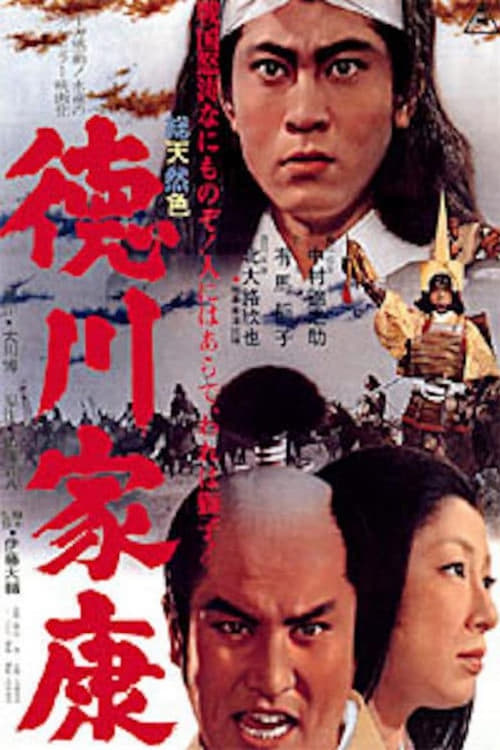
1965
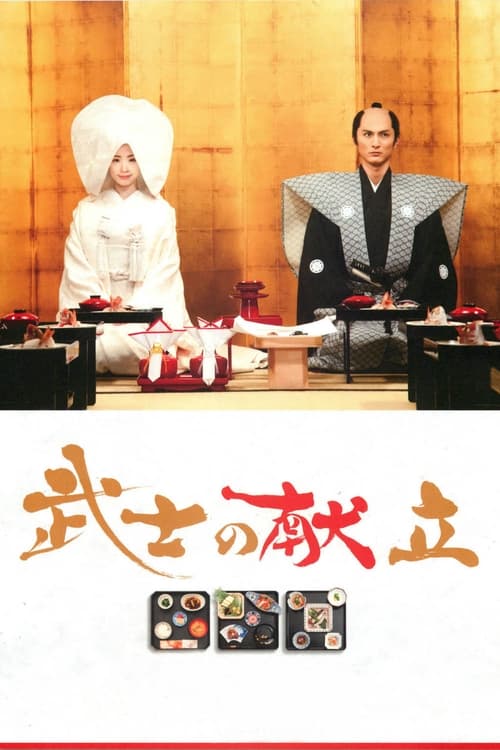
2013
No reviews yet. Be the first to share your thoughts on this movie!
Use the rating form above to leave a star rating and optional review.