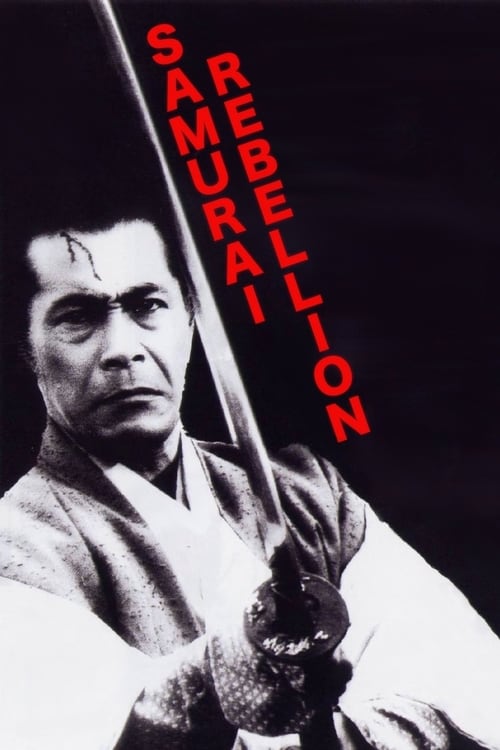
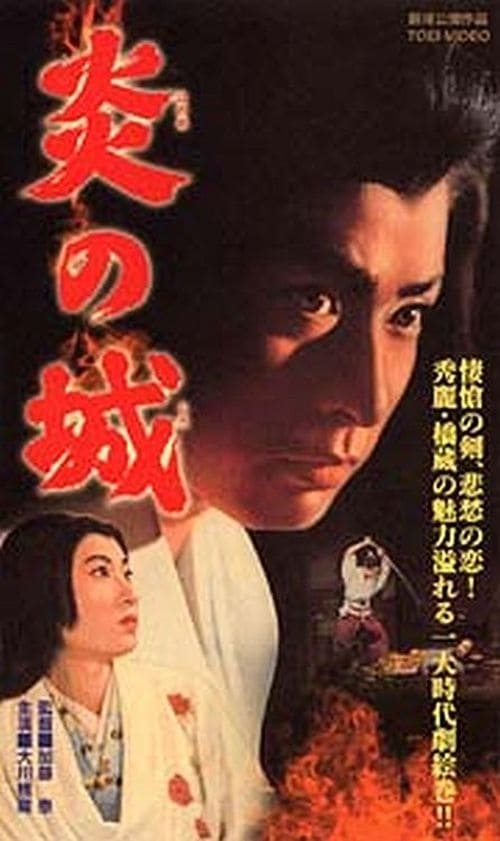
Samurai Rebellion
1967
No user ratings available yet
Representation score: 2.8 out of 10
Representation Score
Limited
1960
Director
Tai Katō
Runtime
99 minutes
Average Rating
No ratings yetNew Showbiz Analysis
Castle of Flames is a period drama that excels in cultural authenticity and historical accuracy. By featuring a Japanese cast and Edo-era social structures, it avoids the Western-centric perspective common in historical epics. The film uses class tensions and supernatural elements to critique absolute authority. However, the film adheres closely to the social norms of its time. The narrative follows a traditional heterosexual romantic storyline and upholds conventional gender roles. Female characters, though emotionally significant, have less independent influence compared to male protagonists. Overall, the film offers a detailed look at power dynamics and systemic instability. While it does not include modern characters who reflect more than one aspect of diversity, its focus on class resistance and culturally specific storytelling provides a meaningful historical perspective.
Category Breakdown
The story focuses on a heterosexual relationship between Masato and his love interest. There are no representations of LGBTQ+ identities or same-sex relationships.
Female characters play important emotional roles, but their influence is often driven by male political actions. The story emphasizes masculine struggles for power within a patriarchal system.
The film features a Japanese cast set in an authentic Edo-era environment. It avoids Western stereotypes by focusing on a non-Western socio-political context.
The narrative examines class conflict through a peasant uprising and critiques corrupt institutions. Supernatural elements, such as a father's ghost, highlight non-secular moral themes.
There are no depictions of physical or neurodivergent disabilities. The protagonist's pretended madness serves as a strategic survival tactic rather than a portrayal of mental health issues.
Present on Screen
Limited or Absent
Official Synopsis
In 17th century Japan, Young Lord Masato returns after years abroad to find everything changed: his peace-loving father has died in what he soon finds to be mysterious circumstances, and his mother's married to his uncle, whose ruthless ambition is causing turmoil in the kingdom. Not knowing who to trust, Masato feigns madness, vowing to get to the truth, even though his act causes distress to the girl he loves, who's waited for him all these years. The ghost of his father turns up now and then to show him the way. Meanwhile a peasant revolt is brewing... It all ends tragically.
1967
1953
1965
1963
1978
1941
1962
1958
No reviews yet. Be the first to share your thoughts on this movie!
Use the rating form above to leave a star rating and optional review.