
Rikyu
1989
No user ratings available yet
Representation score: 2.9 out of 10
Representation Score
Fair
1978
Director
Kei Kumai
Runtime
154 minutes
Average Rating
No ratings yetNew Showbiz Analysis
Kei Kumai’s drama succeeds as a sophisticated character study that uses feudal Japan to explore personal devotion against political oppression. It avoids sanitized history, focusing instead on the vulnerability of individuals caught in the tides of religious and autocratic change. The film's primary strength is its subversion of the 'strongman' cliché. By centering the conflict on Lady Ogin’s moral decision-making, the narrative deconstructs traditional power dynamics and highlights how individual integrity challenges systemic dominance. However, the film remains rooted in the traditional romantic and social paradigms of its era. It does not engage with modern identity politics or provide representation for LGBTQ+ identities.
Category Breakdown
The film focuses on unrequited heterosexual longing within a sixteenth-century feudal framework. It does not include narratives involving non-binary gender identities or critiques of the assumption that everyone is straight.
Lady Ogin provides a portrayal of female strength through her emotional autonomy and moral resilience. She resists the predatory impulses of the patriarchal warlord Hideyoshi.
The production maintains high authenticity with a predominantly Japanese cast. This approach avoids the Western gaze, prioritizing indigenous perspectives within the historical setting.
The story explores the friction between traditional Japanese values and the introduction of Christianity. Religious conversion serves as a significant catalyst for systemic conflict.
There is no significant evidence regarding the portrayal of physical or neurodivergent disabilities in this work.
Present on Screen
Limited or Absent
Official Synopsis
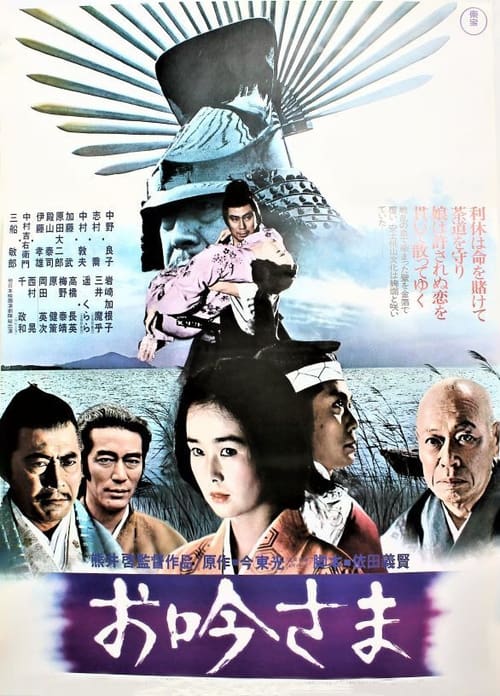
Sen Rikyu is a ceremonial tea master who advises warlord Hideyoshi in sixteenth-century feudal Japan. His daughter, the beautiful Lady Ogin, has an unrequited love for Lord Ukon, who has angered Hideyoshi by becoming a Christian convert. Ogin's father Rikyu also displeases Hideyoshi by opposing the warlord's plan to invade China and Korea. When the animalistic Hideyoshi is rejected by Ogin, he threatens her and her father with arrest and worse.
1989
1967
1962
1952
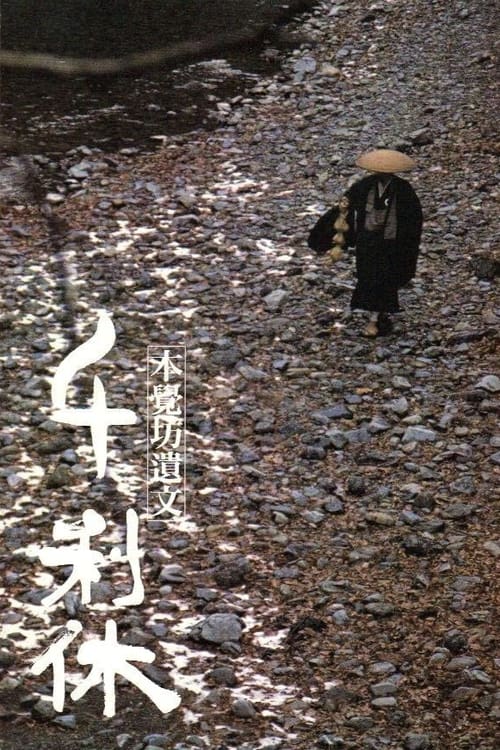
1989
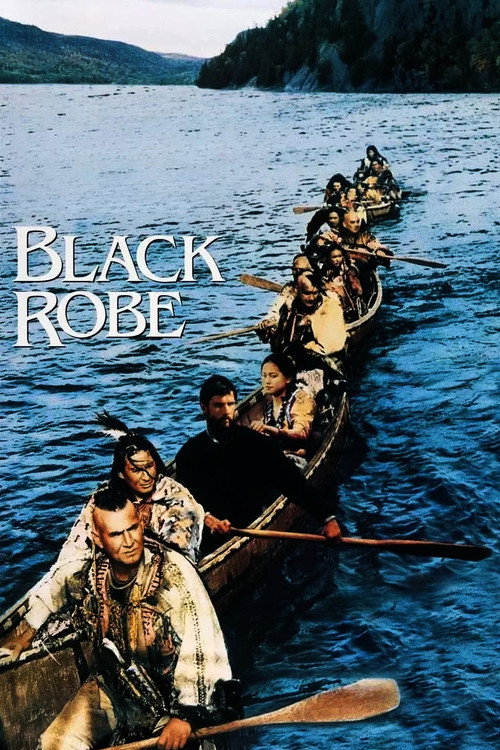
1991
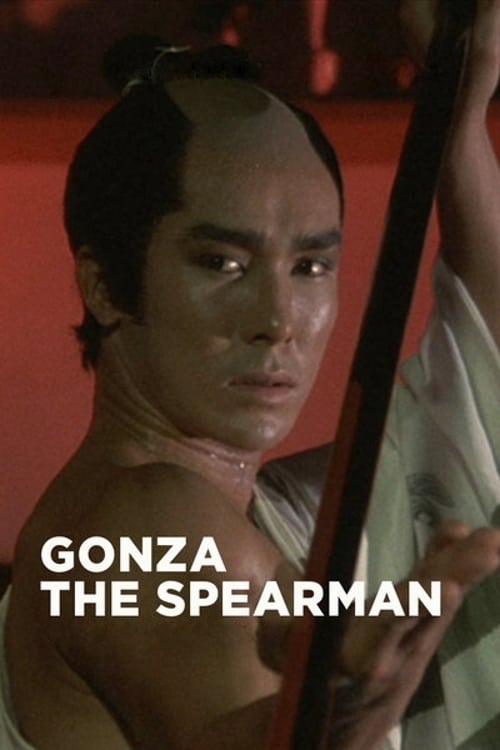
1986
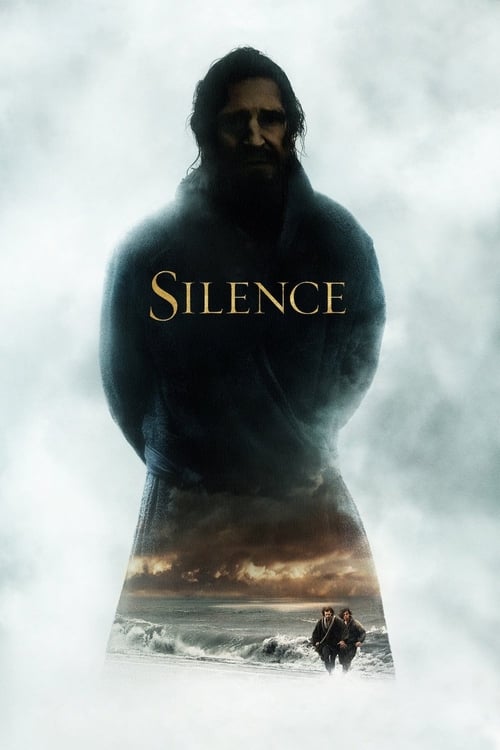
2016
No reviews yet. Be the first to share your thoughts on this movie!
Use the rating form above to leave a star rating and optional review.