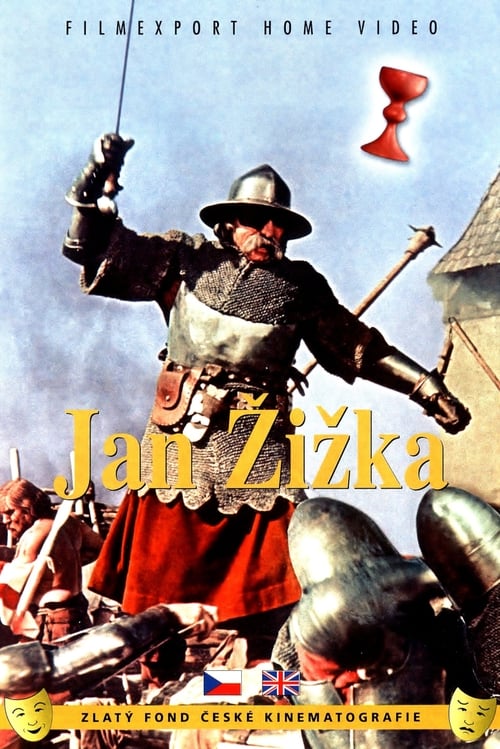
Jan Žižka
1956
No user ratings available yet
Representation score: 3.9 out of 10
Representation Score
Limited
1955
Director
Otakar Vávra
Runtime
125 minutes
Average Rating
No ratings yetNew Showbiz Analysis
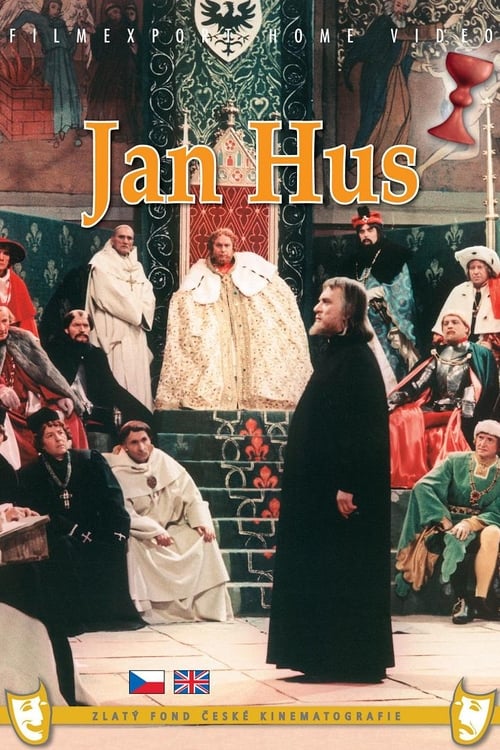
Jan Hus is a historical epic that focuses on sociopolitical critique rather than modern characters who reflect more than one aspect of diversity. Its strength lies in its subversion of institutional authority, presenting the conflict between a reformer and a corrupt ecclesiastical hierarchy. However, the film adheres to the social norms of its time. It lacks LGBTQ+ representation and maintains a male-dominated structure, with women primarily in supporting roles. Ultimately, the film's value is in its cultural deconstruction of power structures and individual conscience, rather than broad demographic representation.
Category Breakdown
The film focuses on historical events and does not include any non-straight relationships or stories about LGBTQ+ themes.
The story centers around male figures, particularly clergy and noblemen. Although Queen Sophie appears, she does not play a leading role, and the main drivers of the plot are male characters.
The cast is made up of actors who represent the local Bohemian population. The film emphasizes the specific Czech national identity and regional history.
The film effectively challenges traditional Western institutions. It portrays the 15th-century Catholic Church as corrupt, highlighting the struggles of ordinary people against hierarchical structures.
There is no significant depiction of visible or invisible disabilities in the film.
Present on Screen
Limited or Absent
Official Synopsis
The first part of the "Hussite Revolutionary Trilogy", completed with Jan Žižka (1955) and Proti všem (Against All Odds, 1957). The film captures the period from May 1412 to the summer of 1415, a turbulent time in the Czech Kingdom, during which there were protests in Prague against the sale of "omnipotent indulgences" whose sale throughout the kingdom was announced by Pope John XXIII. The ideological leader of this movement is the preacher Master Jan Hus, whose words, calling for the elimination of church abuses, are listened to in the Bethlehem Chapel by thousands of ordinary Praguers, Czech lords and Queen Sophie, wife of the Czech King Wenceslas IV.
1956

1967
2017
1963
2003
1957

1941
1972
No reviews yet. Be the first to share your thoughts on this movie!
Use the rating form above to leave a star rating and optional review.