
Black Raven
2019
No user ratings available yet
Representation score: 5.6 out of 10
Representation Score
Fair
2001
Director
Filip Bajon
Runtime
139 minutes
Average Rating
No ratings yetNew Showbiz Analysis
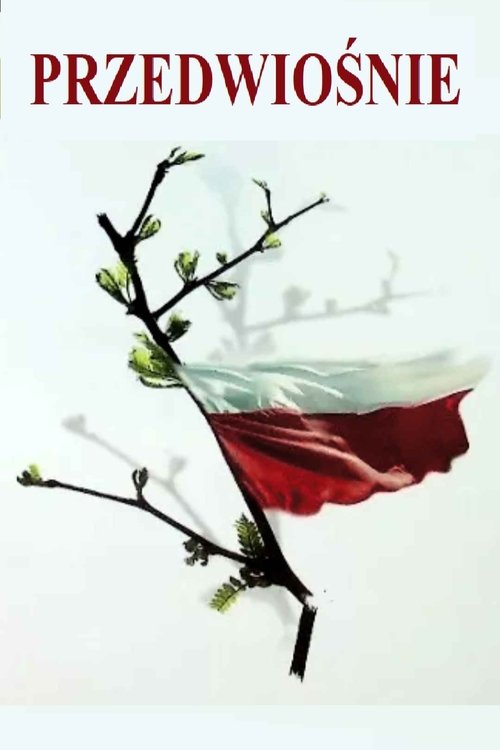
Przedwiośnie is a historical drama that emphasizes political and socioeconomic turmoil over diverse representation. Its strength lies in its intellectual depth, particularly in its examination of class structures and the instability of national sovereignty during a period of revolutionary change. However, the film's adherence to its historical context limits its portrayal of LGBTQ+ identities and disability. The narrative stays rooted in the traditional gender roles and ethnic homogeneity of the early 20th century. Ultimately, the film serves as a nuanced exploration of ideological ambiguity, offering a critical view of capitalism and institutional authority despite lacking contemporary diversity standards.
Category Breakdown
The film follows the social norms of the early 20th century, where romantic relationships are strictly heterosexual and centered around the protagonist's personal journey.
Women play key roles in influencing the protagonist's beliefs but mostly conform to traditional social roles. The story does not challenge the patriarchal structures of the time.
The cast primarily consists of actors matching the ethnic makeup of the Polish-Soviet conflict era. The film avoids casting actors of different backgrounds to maintain historical accuracy.
The film critically examines class hierarchies and institutional power, highlighting the tensions between the landed aristocracy and the emerging working class.
The film does not focus on neurodivergence or physical disabilities. Characters are defined by their political and socioeconomic positions rather than by any disabilities.
Present on Screen
Limited or Absent
Official Synopsis
Polish-born Russian subject Cezary Baryka comes of age during a tumultous period of ten years from 1914 to 1924, during which he witnesses revolution, rebirth of Poland, war with the Soviets and communist plots.
2019

2014

2019

2007
1936
1995
1956
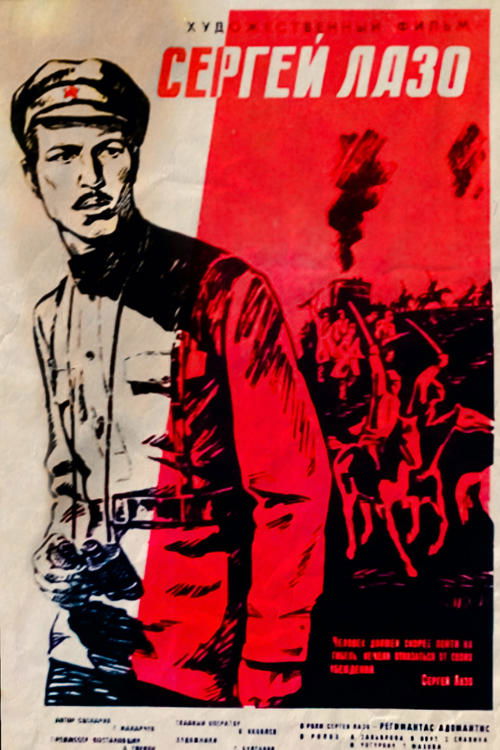
1968
No reviews yet. Be the first to share your thoughts on this movie!
Use the rating form above to leave a star rating and optional review.