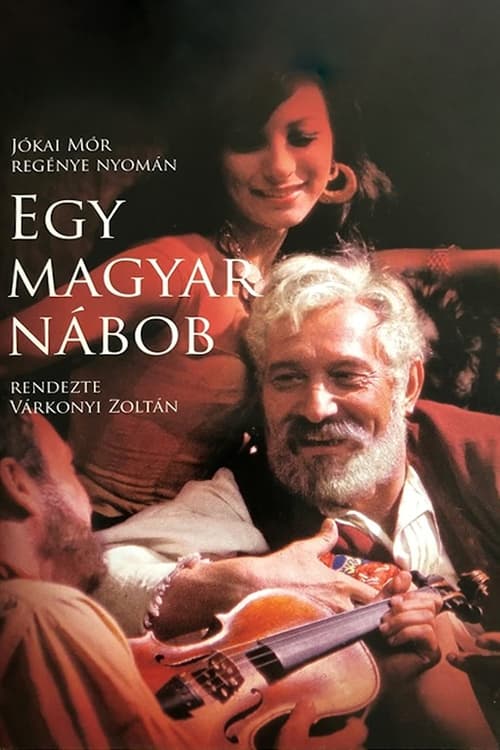
A Hungarian Nabob
1966
No user ratings available yet
Diversity score: 3.2 out of 10

1965
Director
Zoltán Várkonyi
Runtime
158 minutes
Average Rating
No ratings yetSynopsis
Based on the novel of Mór Jókai. During the Hungarian independence war 1848-49 mother and her three sons trying to leave the road precisely designated by their conservative, stone-hearted father. The way-seeking and rivalry of brothers, Jókai's masterpiece, the cast, delightful scenes give an unforgettable experience.
Overall Score
Fair
Category Breakdown
LGBTQ+ Representation
The film adheres to the social and cinematic conventions of 1965 Hungary. There is no evidence of non-cisnormative gender identities or same-sex narratives within the story.
Gender Representation
The narrative subverts traditional hierarchies by centering on a mother's struggle against an authoritarian male figure. This positioning grants the female protagonist significant agency to drive the plot.
Racial & Ethnic Diversity
The cast is ethnically homogeneous, reflecting the historical reality of the Hungarian independence war era. It functions as a foundational text for national ethnic identity rather than intersectional blending.
Religious & Cultural Diversity
The film critiques rigid, conservative institutions through the portrayal of a stone-hearted patriarch. It emphasizes the struggle for independence and the challenge to established systemic orders.
Disability Representation
There is no documented evidence of characters with visible or invisible disabilities in this historical drama.
Strengths
Areas for Improvement
AI Analysis
Zoltán Várkonyi’s historical epic finds its strength in deconstructing patriarchal authority. By positioning a mother and her sons as the primary drivers of the narrative, the film challenges the rigid, conservative structures represented by the father. However, the film remains a product of its time and setting. It lacks modern intersectional markers, such as LGBTQ+ representation or multi-ethnic casting, which limits its scope by contemporary standards. Ultimately, the work provides a sophisticated critique of social hierarchies. It uses the tension between individual agency and oppressive traditionalism to explore the shifting political landscapes of the Hungarian independence movement.
1966
2003
1987

1968
1967
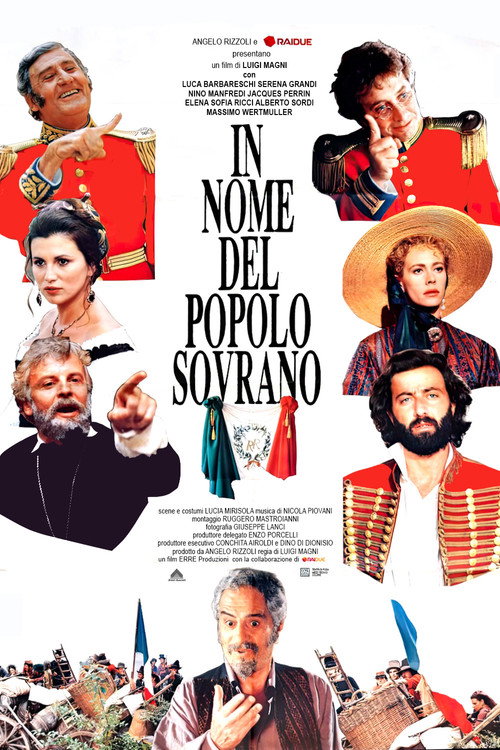
1990

1957
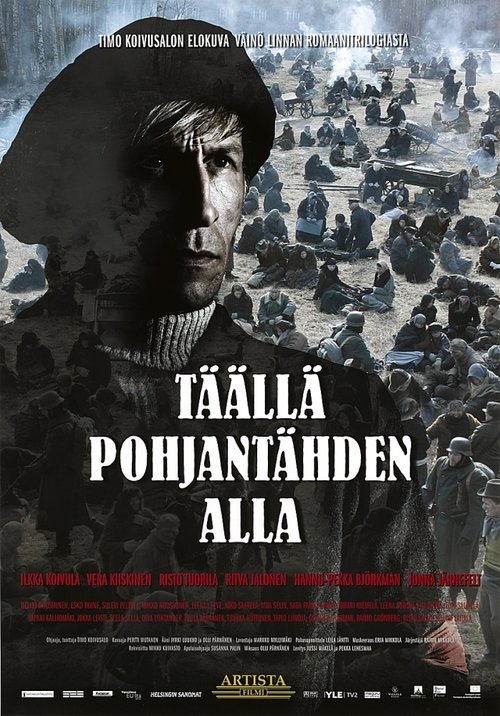
2009
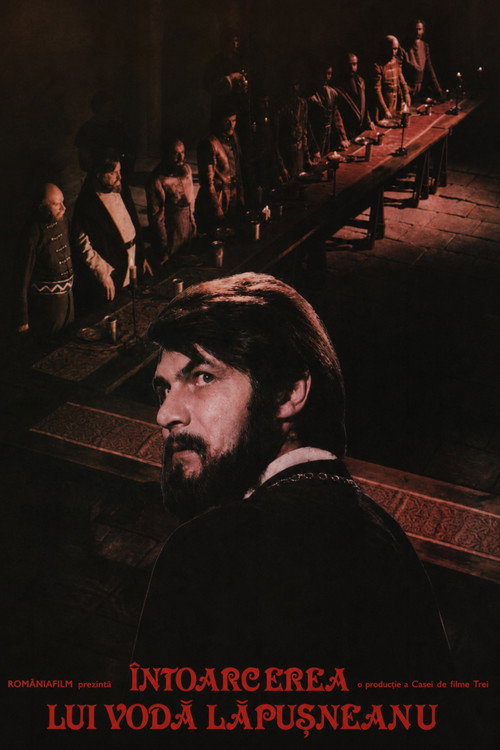
1980
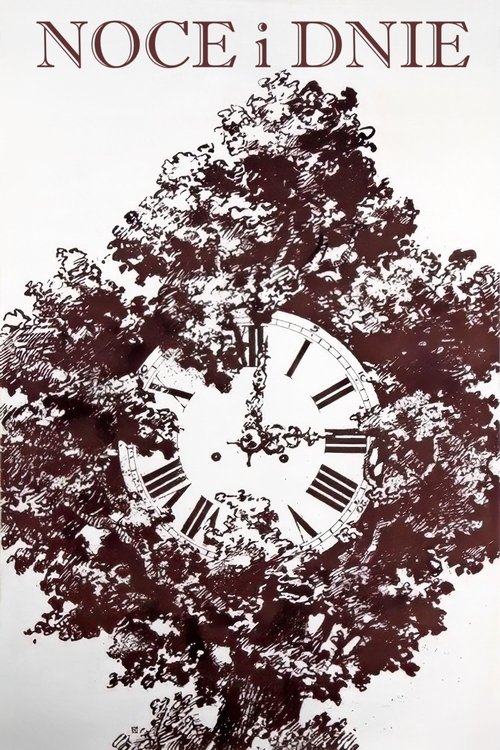
1975
1968
1979
No reviews yet. Be the first to share your thoughts on this movie!
Use the rating form above to leave a star rating and optional review.