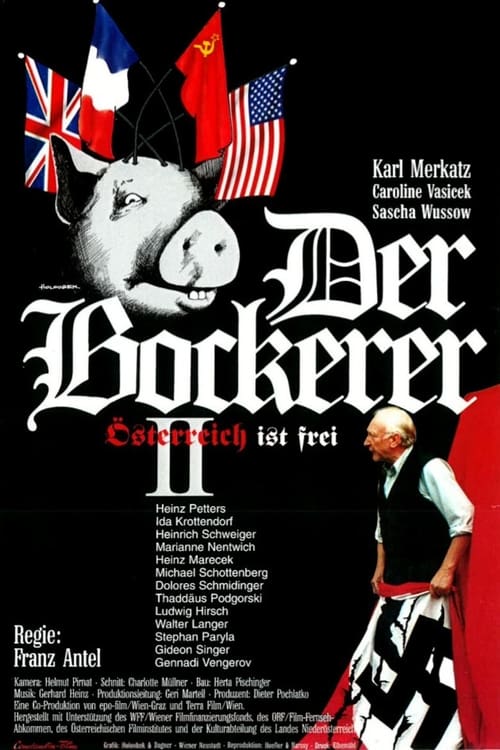
Der Bockerer II - Österreich ist frei
1996
No user ratings available yet
Representation score: 2.9 out of 10
Representation Score
Limited
2003
Director
Franz Antel
Runtime
0 minutes
Average Rating
No ratings yetNew Showbiz Analysis
The film functions as a period drama centered on traditional social structures and historical realism. It emphasizes political shifts and domestic milestones rather than social deconstruction. Representation is largely consistent with the era's conventional norms. The narrative lacks the intentionality needed to challenge established clichés or introduce varied perspectives. While the setting offers a specific cultural backdrop, the focus remains on local interpersonal relationships and the disillusionment with political regimes.
Category Breakdown
The film does not include any LGBTQ+ characters or stories. The plot focuses on a traditional marriage, reinforcing typical heterosexual relationships.
Gender roles in the film are traditional, emphasizing marriage and business. Although Anna is a key character, the narrative does not challenge traditional male leadership.
The film is set in a Czech town, providing a non-Germanic backdrop. However, the cast appears ethnically uniform within its specific European historical context.
The story addresses the political tensions of the Prague Spring. It critiques the failure of 'Communism with a human face' through a European perspective.
There are no characters with visible or invisible disabilities mentioned in the narrative.
Present on Screen
Limited or Absent
Official Synopsis
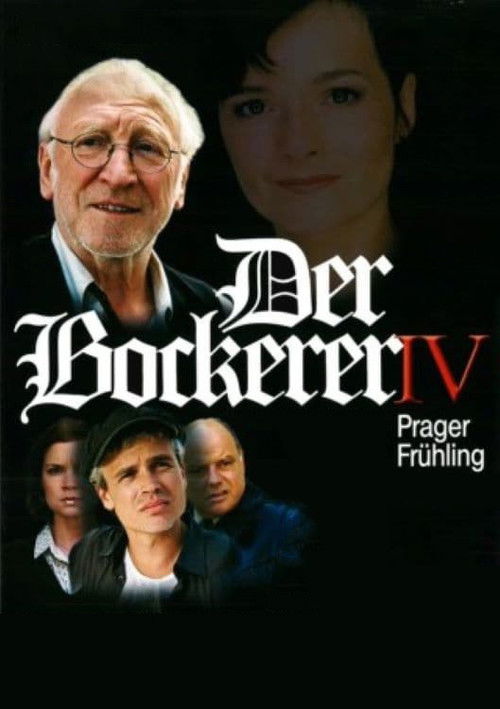
In the year 1968, the “Bockerer” has decided, after many attempts, to marry his long-time widowed housekeeper, Anna. Gustl, whom he as taken in like a son after the war, will open a butchery in the Czech small town Kostelec and invites the Bockerers to spend their wedding journey with him and his Elena. The “Prague Spring”, of which everywhere is talked so much about, promises a nice honeymoon, and their friend Hatzinger is taken along on the journey as well. Soon after their arrival, the Bockerer has to realize that “Communism with a human face” is still an idle wish.
1996
2018

2016
1985
2017

1981
1979
2009
No reviews yet. Be the first to share your thoughts on this movie!
Use the rating form above to leave a star rating and optional review.