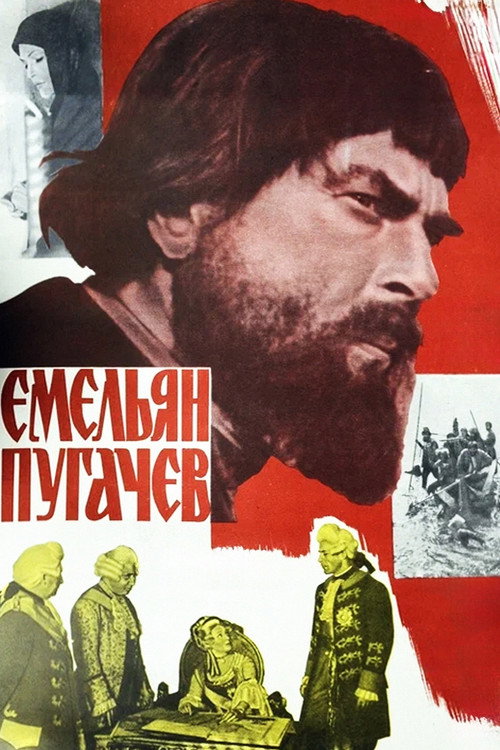
Pugachev
1979
No user ratings available yet
Representation score: 4.8 out of 10
Representation Score
Limited
1939
Director
Ivan Pravov, Olga Preobrazhenskaya
Runtime
115 minutes
Average Rating
No ratings yetNew Showbiz Analysis
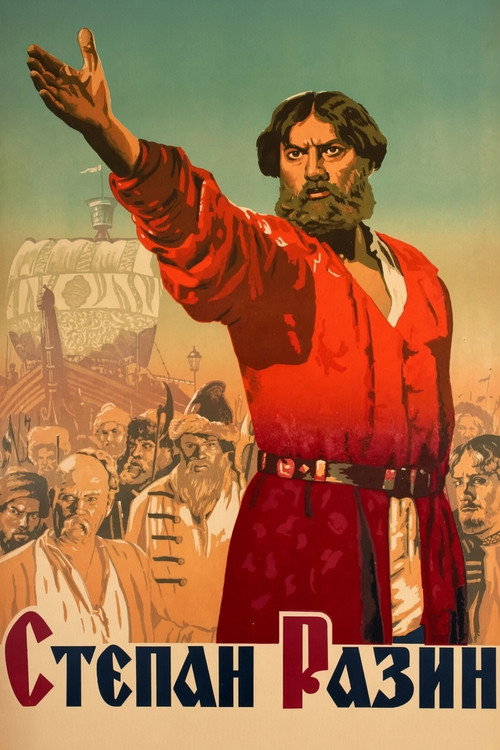
Stepan Razin (1939) is a historical epic that prioritizes class struggle over demographic plurality. The film excels at deconstructing traditional power structures, framing the rebellion against the Tsarist regime and the Church as a necessary fight for liberation. However, the film lacks contemporary identity-based representation. It adheres to traditional gender hierarchies and offers no visible LGBTQ+ identities. The cast is ethnically homogenous, focusing specifically on Slavic and Cossack identities. Ultimately, the film's progressive value lies in its systemic challenge to autocracy rather than its inclusion of diverse social identities.
Category Breakdown
The film focuses on masculine leadership and historical epic themes. There is no visible representation of LGBTQ+ identities or same-sex relationships.
Female characters primarily occupy domestic roles or serve as emotional motivators for Stepan Razin. They have limited influence over the plot and are overshadowed by male characters.
The cast is predominantly Slavic, reflecting the specific regional focus of the historical subject. It provides a deep exploration of Cossack identity without showcasing ethnic diversity.
The narrative critiques autocratic institutions, framing the Tsarist regime and Church as oppressive forces. It celebrates the disruption of established social orders as a heroic endeavor.
There is no significant evidence regarding the portrayal of visible or invisible disabilities. The focus remains strictly on socioeconomic and political conflict.
Present on Screen
Limited or Absent
Official Synopsis
Don Cossack Stepan Razin vowed to take revenge on the boyars for his tortured friends. Having led the rebellious peasants, he becomes the leader of an entire army. Humiliated and insulted people flock to him from all over the Russian land.
1979

1967

1941
1938
1937
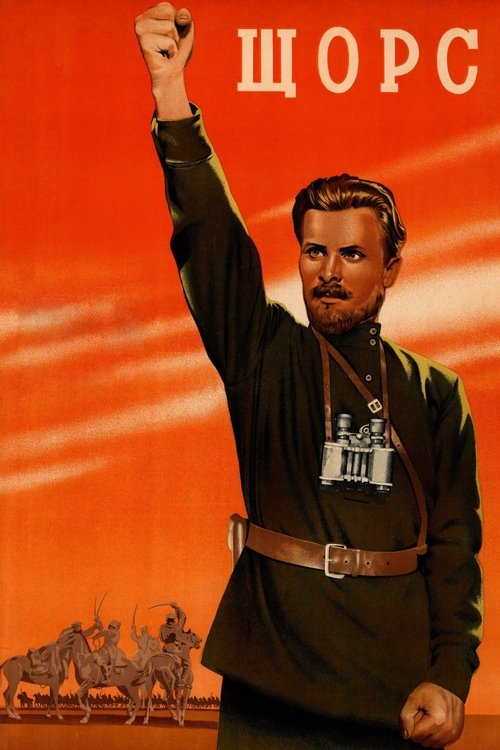
1939
1921
1990
No reviews yet. Be the first to share your thoughts on this movie!
Use the rating form above to leave a star rating and optional review.