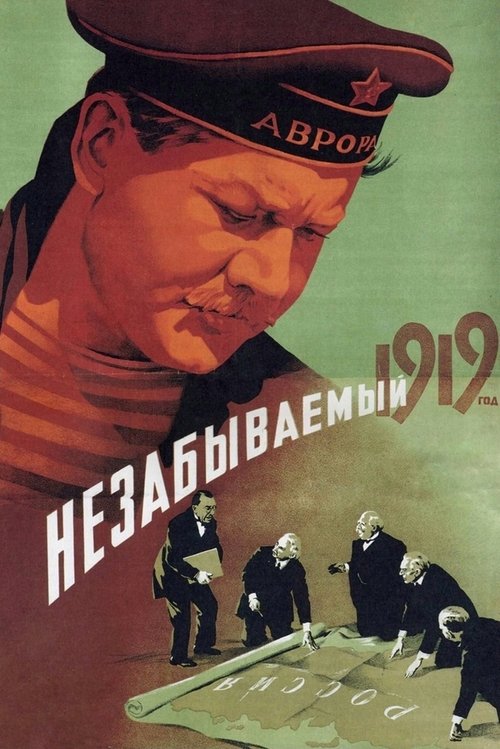
The Unforgettable Year 1919
1951
No user ratings available yet
Representation score: 5.3 out of 10
Representation Score
Fair
1939
Director
Alexander Dovzhenko
Runtime
140 minutes
Average Rating
No ratings yetNew Showbiz Analysis
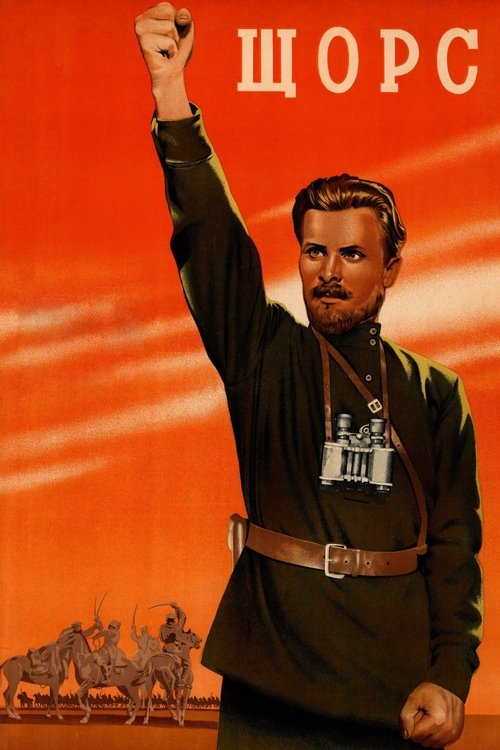
Shchors serves as a cornerstone of Socialist Realism, emphasizing collective action over individual stories. It effectively challenges traditional class and religious hierarchies, presenting the struggle of the working class as a necessary disruption of established power structures. However, the film is constrained by the social norms of its time, particularly regarding sexuality and modern diversity markers. While it advances women into political roles, it does so within a framework that still centers traditional romantic relationships. Overall, the film's strength lies in its radical restructuring of societal norms, though it falls short in representing contemporary LGBTQ+ identities and diverse gender power dynamics.
Category Breakdown
The film follows the conventions of 1930s Soviet cinema, which does not include any LGBTQ narratives or non-straight relationships. Interpersonal relationships focus on revolutionary camaraderie and traditional romances.
Women are shown moving from domestic roles to active political and military roles. Characters like Maria are portrayed as vital members of the revolutionary movement.
The story highlights a shared working-class identity to overcome specific ethnic divisions. It focuses on the experiences of Ukrainians and Russians through a lens of class consciousness.
The narrative strongly criticizes capitalism, monarchy, and organized religion as oppressive systems. It depicts the dismantling of these traditional institutions as morally necessary.
The film does not prominently feature physical or neurological disabilities as central plot devices or character traits.
Present on Screen
Limited or Absent
Official Synopsis
Cheered up by the revolutionary zeal, courage and energy of their leader, Nikolai Alexandrovitch Shchors, in 1919 the peasants and workers' groups gathered in the civil war- devastated Ukraine, to defeat the foreign conquerors and enemies of the revolution. However, it does not take long until a new danger threatens: this time the Polish Pans enter Ukraine, and General Dragomirov marches to Kiev. Shchors, however, gathers the revolutionary forces of the country and brings them to a victorious counter-attack.
1951
1928
1942
1938
1936

1941

1957
1926
No reviews yet. Be the first to share your thoughts on this movie!
Use the rating form above to leave a star rating and optional review.