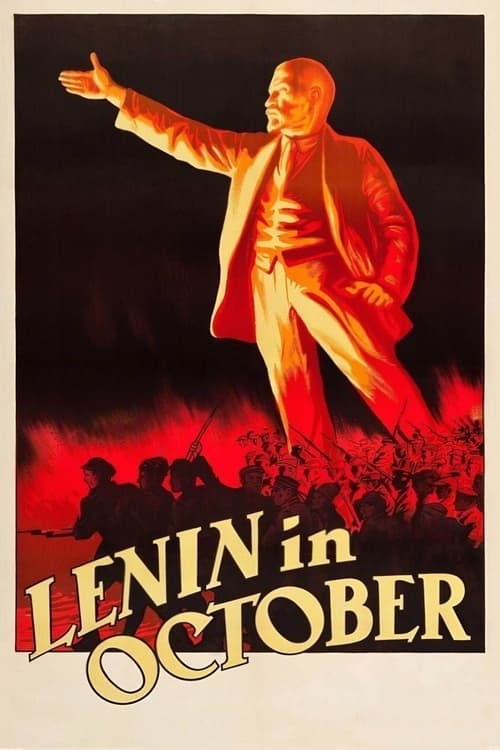
Lenin in October
1937
No user ratings available yet
Representation score: 5.6 out of 10

Representation Score
Fair
1939
Director
Mikhail Romm
Runtime
130 minutes
Average Rating
No ratings yetNew Showbiz Analysis
Lenin in 1918 serves as a foundational text of Socialist Realism, emphasizing class identity over individual social contexts. It effectively dismantles traditional Western institutions, such as monarchies and religious structures, to promote a secular, anti-capitalist perspective. However, the film’s emphasis on the 'international proletariat' often simplifies ethnic and cultural identities into tools of class struggle. This limits a deeper exploration of individual heritage or overlapping identities. Ultimately, the work prioritizes systemic change over the inclusion of underrepresented identities. While it challenges historical power structures, it fails to represent gender, disability, or LGBTQ+ perspectives.
Category Breakdown
The film does not include any representations of LGBTQ+ identities or queer subtext. It focuses on a strict portrayal of revolutionary masculinity.
The story follows a patriarchal structure where men hold most of the power. Women play roles in the revolution but have little influence compared to male leaders.
The cast includes people from various ethnic backgrounds from the former Russian Empire. However, these diverse identities are overshadowed by the overarching theme of class struggle.
The film criticizes religious and capitalist institutions as corrupt and outdated. It presents the old world as flawed and in need of replacement.
The film does not address neurodivergence or physical disabilities. Characters are portrayed as idealized representatives of revolutionary strength.
Present on Screen
Limited or Absent
Official Synopsis
Historical-revolutionary film about Lenin’s activities in the first years after the Great October Revolution in Russia.
1937
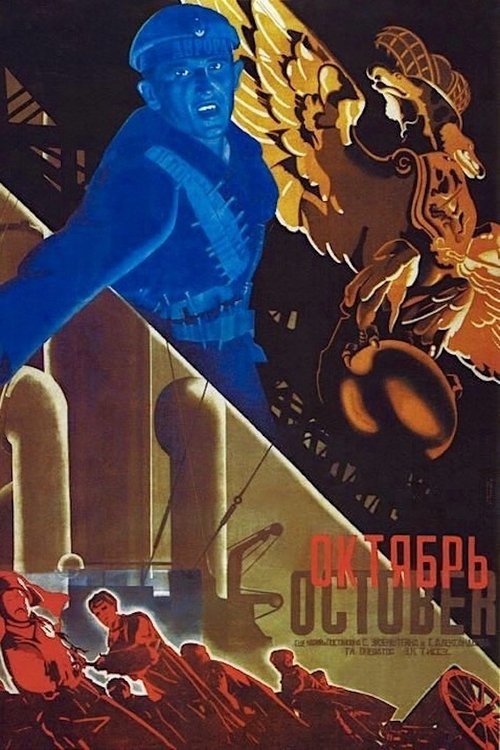
1928
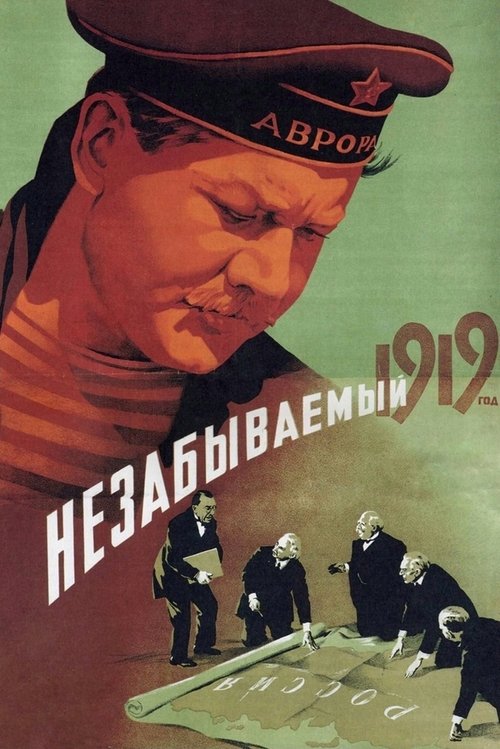
1951

1937
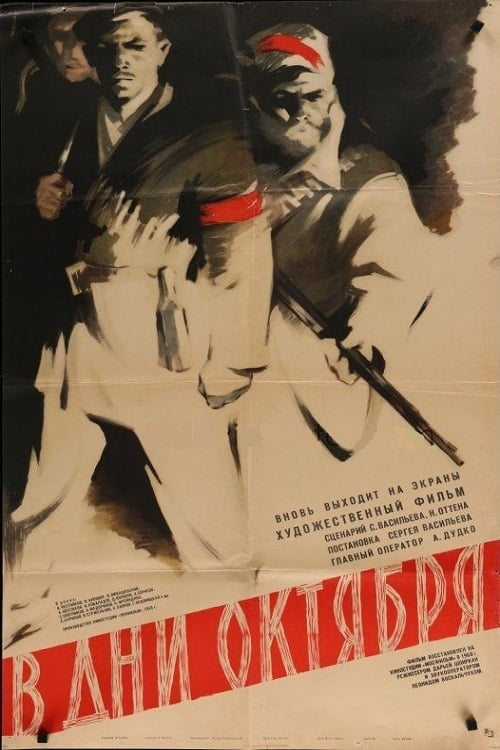
1958
1981
1976
1918
No reviews yet. Be the first to share your thoughts on this movie!
Use the rating form above to leave a star rating and optional review.