The Hunchback of Notre Dame
1923
No user ratings available yet
Representation score: 5.6 out of 10
Representation Score
Good
1939
NRDirector
William Dieterle
Runtime
117 minutes
Average Rating
No ratings yetNew Showbiz Analysis
Dieterle’s 1939 drama provides a sophisticated critique of institutional power by focusing on those underrepresented by society. By emphasizing the tension between corrupt authorities and the underrepresented, the film transcends typical period clichés. The film’s strength lies in the character development of Esmeralda and Quasimodo. Both characters have emotional and moral depth, allowing them to challenge the oppressive structures of 15th-century Paris. However, the film lacks LGBTQ+ representation and occasionally leans towards the spectacle of deformity. Despite these limitations, its exploration of systemic corruption adds a meaningful layer of social commentary.
Category Breakdown
The film does not include any LGBTQ+ characters or non-straight identities. All romantic and predatory tensions are confined within a heterosexual framework.
Esmeralda challenges traditional gender roles by acting independently and freely, serving as a plot catalyst rather than a passive object of desire.
The story focuses on Esmeralda, a Romani woman, highlighting the exclusion of ethnic minorities. Her identity drives the conflict between the underrepresented and the dominant social order.
The film criticizes Western institutions by depicting religious and judicial figures as corrupt and predatory. It portrays the outcasts as having greater ethical clarity than the established authorities.
Quasimodo’s disability is central to the plot, exploring the social isolation and stigma associated with physical differences. He is given significant emotional depth and compassion throughout his storyline.
Present on Screen
Limited or Absent
Official Synopsis
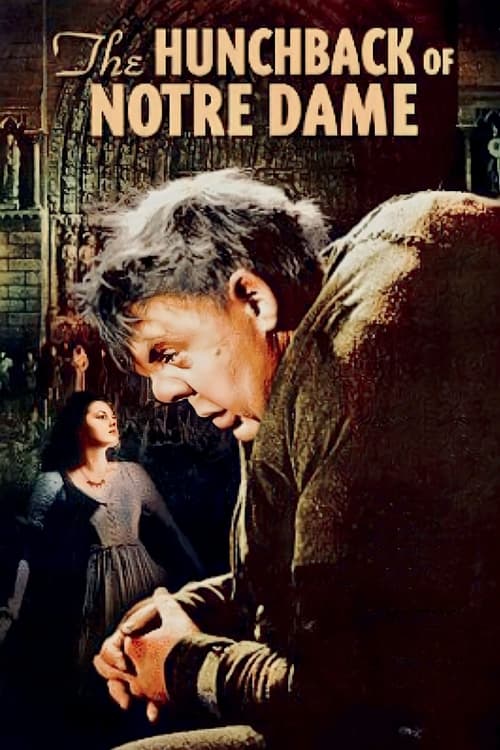
Paris, France, 1482. Frollo, Chief Justice of benevolent King Louis XI, gets infatuated by the beauty of Esmeralda, a young Romani girl. The hunchback Quasimodo, Frollo's protege and bell-ringer of Notre Dame, lives in peace among the bells in the heights of the immense cathedral until he is involved by the twisted magistrate in his malicious plans to free himself from Esmeralda's alleged spell, which he believes to be the devil's work.
1923
1956

1982
1925
1943
1928
2004
1927
No reviews yet. Be the first to share your thoughts on this movie!
Use the rating form above to leave a star rating and optional review.