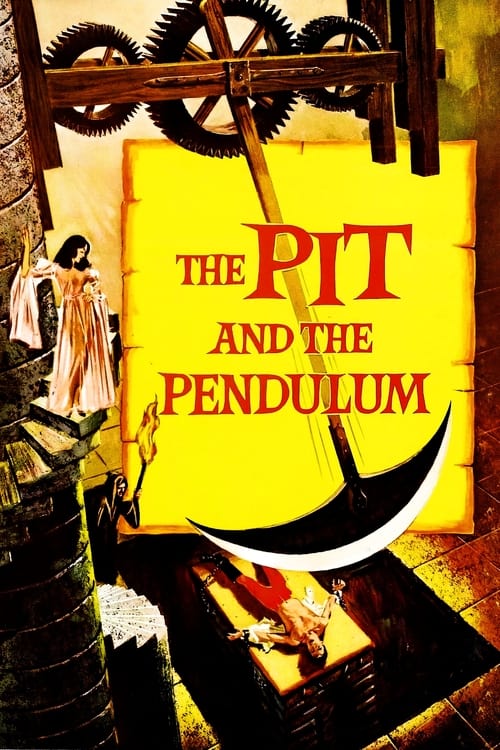
The Pit and the Pendulum
1961
No user ratings available yet
Representation score: 3.1 out of 10

Representation Score
Fair
1991
RDirector
Stuart Gordon
Runtime
97 minutes
Average Rating
No ratings yetNew Showbiz Analysis
The film primarily functions as a critique of institutionalized power. Although it lacks racial and LGBTQ+ diversity, it achieves progressive value by deconstructing religious and patriarchal authority. The narrative challenges the perceived sanctity of historical Western institutions, framing them as sites of systemic oppression. This focus on the 'oppressor' framework elevates its cultural representation score. However, the film remains limited by its period-specific casting and its use of psychological suffering as a mere genre device rather than a meaningful exploration of disability.
Category Breakdown
The film does not include any LGBTQ+ characters or individuals who do not identify with the gender assigned at birth. The interpersonal dynamics are shaped by a traditional, predatory perspective centered around the Grand Inquisitor's obsession.
The narrative challenges patriarchal hierarchies by depicting the Inquisition as a source of madness and cruelty. Maria's psychological strength in resisting the fractured masculine authority is a central focus.
The cast is predominantly white, reflecting the historical demographics of the Spanish Inquisition. There is no indication of color-blind casting or intentional ethnic blending.
The film offers a sharp critique of Western institutions, portraying religious authority as corrupt and oppressive. It highlights how dogmatic structures can mask personal pathology and systemic cruelty.
Psychological torment and mental instability are used as horror tools rather than nuanced portrayals of neurodivergence. Character suffering serves atmospheric requirements rather than providing meaningful exploration of disability.
Present on Screen
Limited or Absent
Official Synopsis
Set during the height of Spanish Inquisition. The beautiful and kind-hearted Maria is arrested as a witch when she inadvertently cries out in horror at the public whipping of a child. As Maria’s husband Antonio tries to save her, Torquemada, the Grand Inquisitor, determines to punish Maria with torture for the desire she inflames in him. Loosely based on Edgar Allen Poe's classic short story.
1961
1923
1964
1939
2015
1943
1984
1968
No reviews yet. Be the first to share your thoughts on this movie!
Use the rating form above to leave a star rating and optional review.