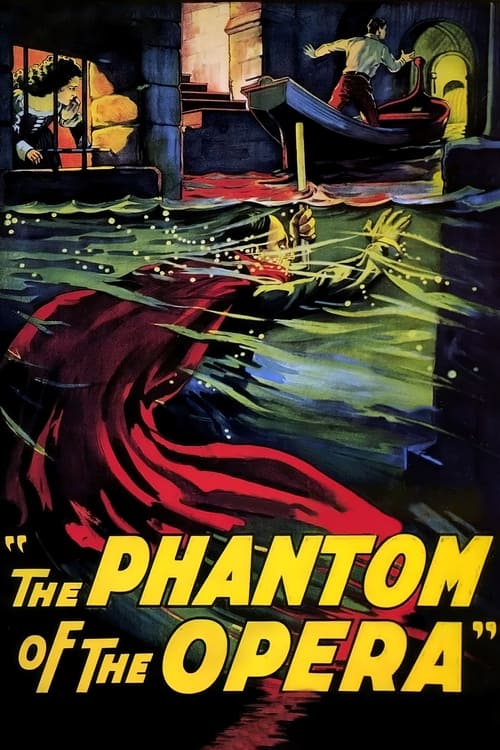
The Phantom of the Opera
1925
No user ratings available yet
Representation score: 1.8 out of 10
Representation Score
Minimal
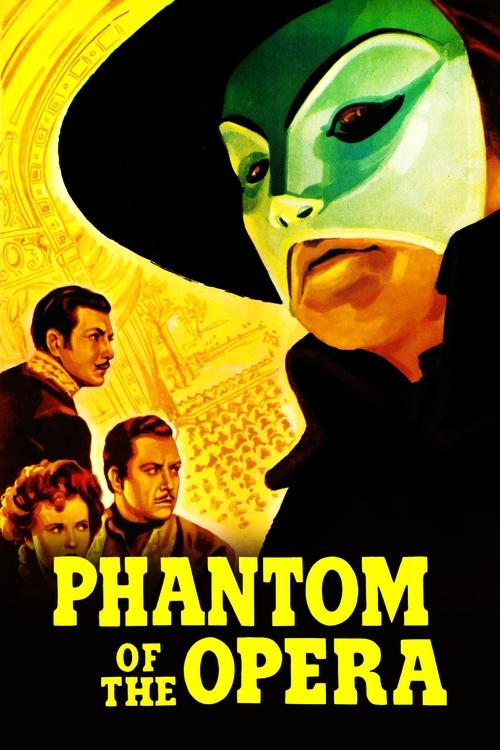
1943
ApprovedDirector
Arthur Lubin
Runtime
89 minutes
Average Rating
No ratings yetNew Showbiz Analysis
Phantom of the Opera (1943) is a quintessential product of its era, prioritizing classical melodrama and romantic clichés over social subversion. The film functions within established Hollywood structures that reinforce traditional hierarchies rather than challenging them. While the protagonist's disability provides a complex psychological engine for the story, the film lacks meaningful multi-layered representation. The cast and narrative focus remain deeply rooted in the demographic homogeneity of the 1940s studio system. Ultimately, the film serves as a genre piece that centers on individual tragedy and obsession. It does not engage with systemic critiques, making it a conventional example of mid-century romantic horror.
Category Breakdown
The film adheres strictly to conventions that assume everyone is straight and cisgender. There is no representation of LGBTQ+ identities.
The narrative reinforces traditional gender hierarchies. Christine serves primarily as an object of desire rather than taking control of her own story.
The production reflects the demographic homogeneity of 1940s studio cinema. The cast is predominantly white, lacking diverse representation.
This classic melodrama focuses on individualistic themes of obsession and genius. It reinforces traditional Western storytelling values without critiquing social or religious institutions.
The Phantom's disfigurement drives the plot. While the character possesses psychological complexity and real power, the portrayal risks using the 'monstrous other' cliché.
Present on Screen
Limited or Absent
Official Synopsis
Following a tragic accident that leaves him disfigured, crazed composer Erique Claudin transformed into a masked phantom who schemes to make beautiful young soprano Christine Dubois the star of the opera and wreak revenge on those who stole his music.
1925
1923
2004
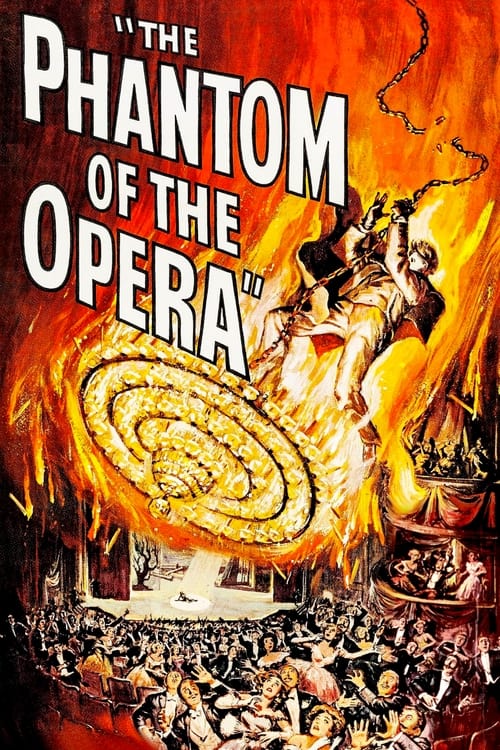
1962
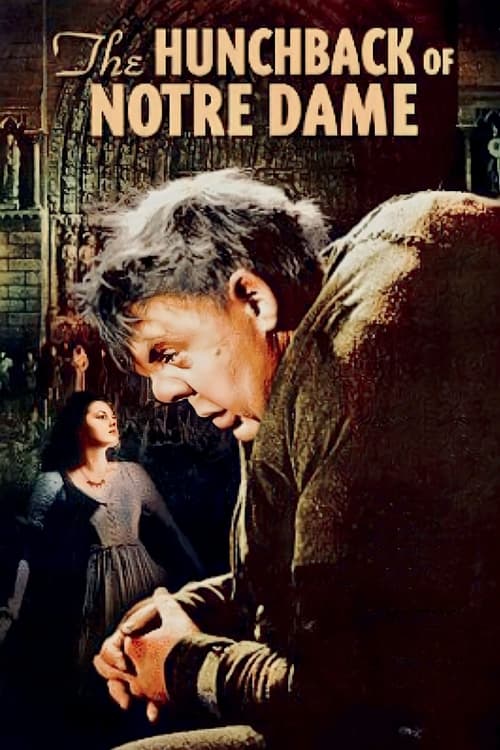
1939
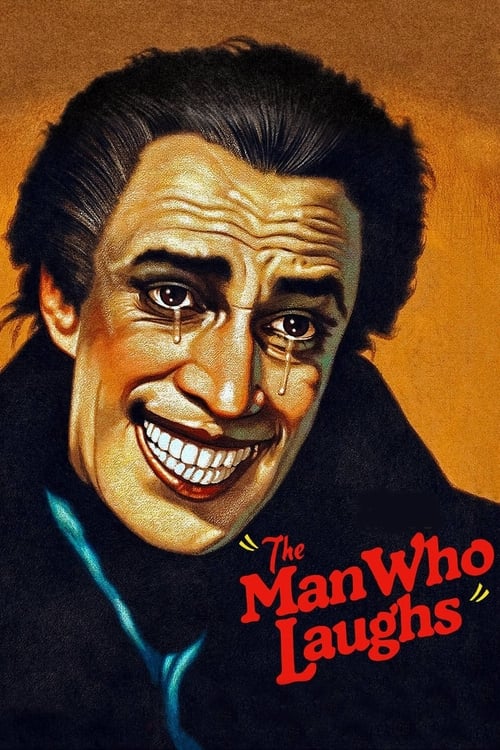
1928
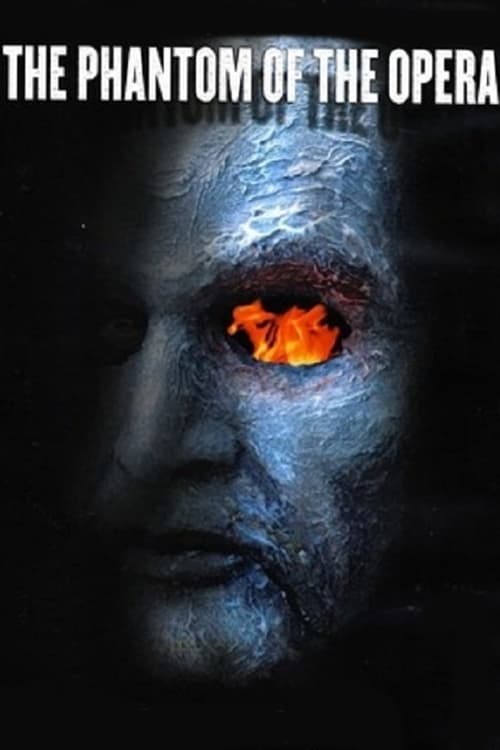
1983
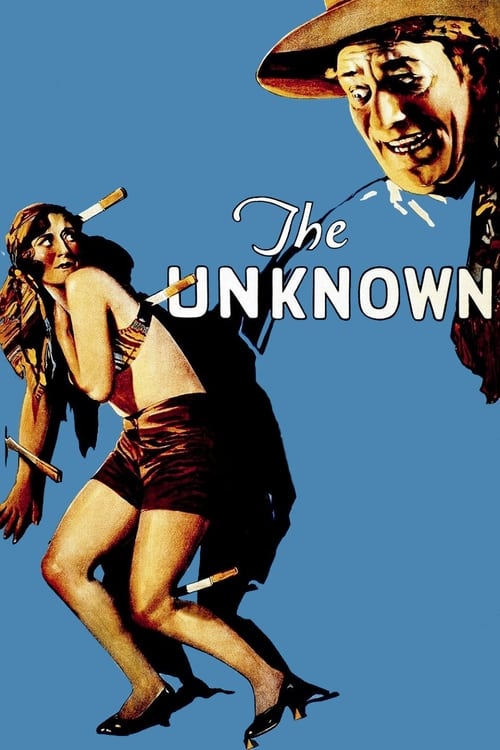
1927
No reviews yet. Be the first to share your thoughts on this movie!
Use the rating form above to leave a star rating and optional review.