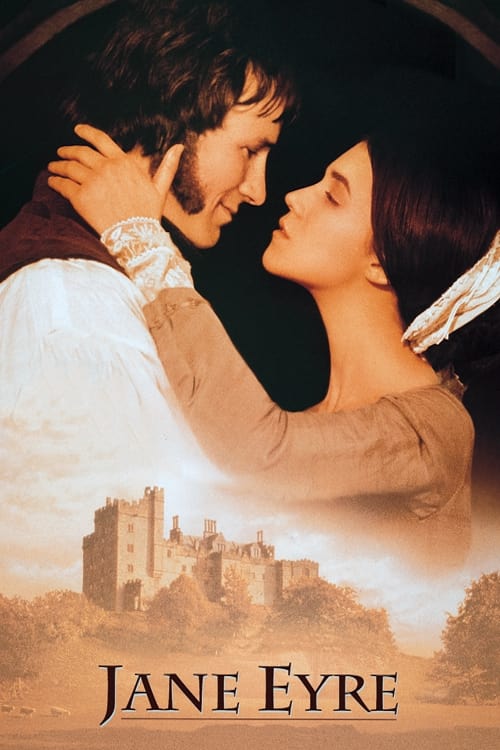
Jane Eyre
1996
No user ratings available yet
Representation score: 2.9 out of 10
Representation Score
Limited
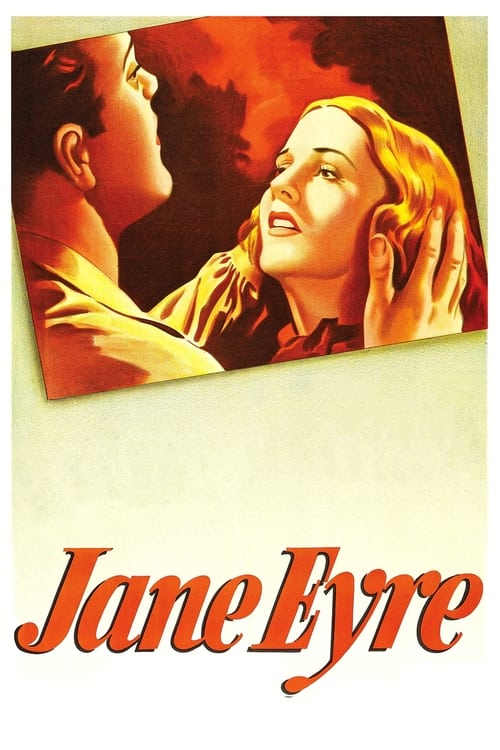
1943
NRDirector
Robert Stevenson
Runtime
97 minutes
Average Rating
No ratings yetNew Showbiz Analysis
This 1943 adaptation of *Jane Eyre* is a traditional period drama that upholds the social and racial hierarchies of its time. While Jane exhibits personal moral integrity, the film's structure reinforces conventional values. The production adheres to the 1940s studio system, prioritizing Victorian morals over any subversion of social norms. It lacks racial diversity and relies on familiar clichés for character development. Ultimately, the film presents a homogeneous period piece emphasizing stability and moral correctness, with little contemporary social critique or diverse representation.
Category Breakdown
The film focuses solely on the romance between Jane and Rochester, ignoring any representation of non-binary or transgender identities and avoiding critiques of traditional romantic clichés.
Jane shows strong independence and moral courage, refusing to compromise her principles for security. However, the plot is largely driven by the male protagonist, reinforcing the power dynamics typical of Victorian society.
The cast is mainly white and Anglo-Saxon, reflecting the casting norms of the 1940s. The film overlooks the colonial context of Bertha Mason's Caribbean heritage, failing to highlight these historical implications.
The film is grounded in traditional Western institutions and moral codes. It supports established social hierarchies and emphasizes religious and ethical duties as key character traits.
Mental instability is used primarily as a gothic device to create suspense and mystery. The portrayal leans heavily on the 'madwoman in the attic' stereotype rather than depicting lived experiences of mental health issues.
Present on Screen
Limited or Absent
Official Synopsis
After a bleak childhood, Jane Eyre goes out into the world to become a governess. As she lives happily in her new position at Thornfield Hall, she meets the dark, cold, and abrupt master of the house, Edward Rochester. Jane and her employer grow close in friendship and she soon finds herself falling in love with him. Happiness seems to have found Jane at last, but could Rochester's terrible secret be about to destroy it forever?
1996
1934

2011
1939
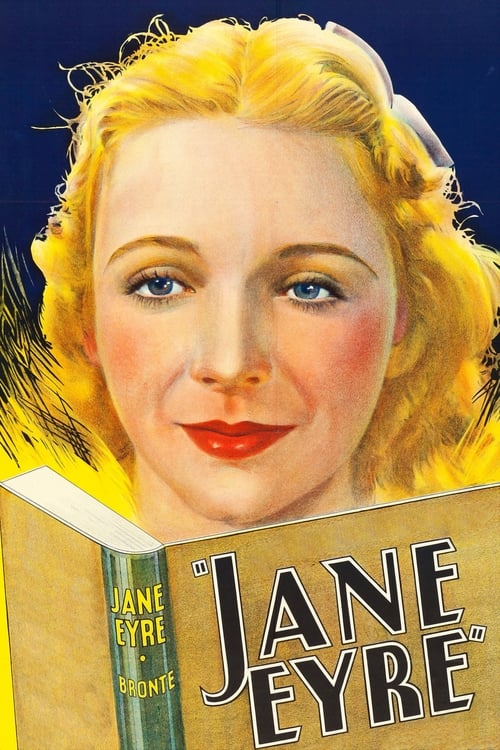
1934
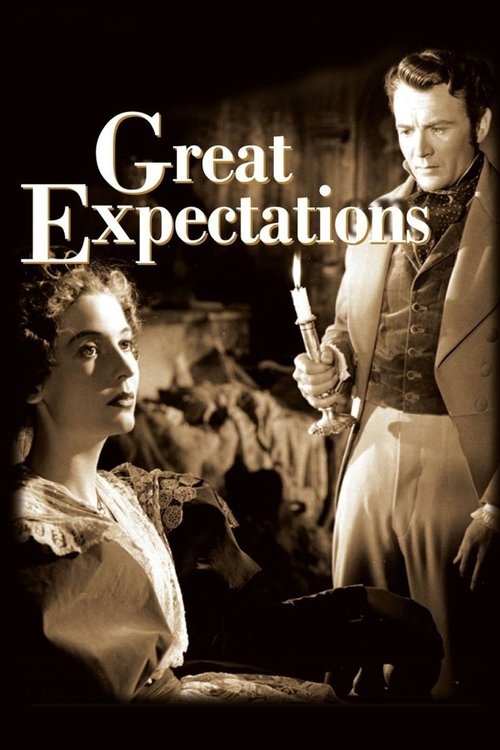
1946
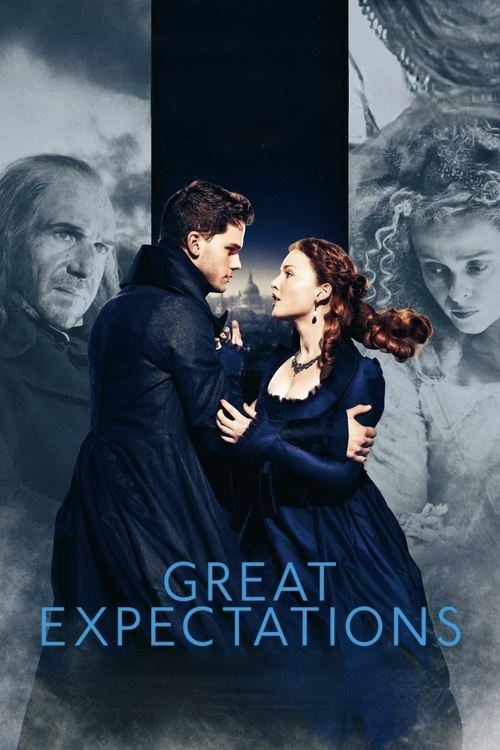
2012
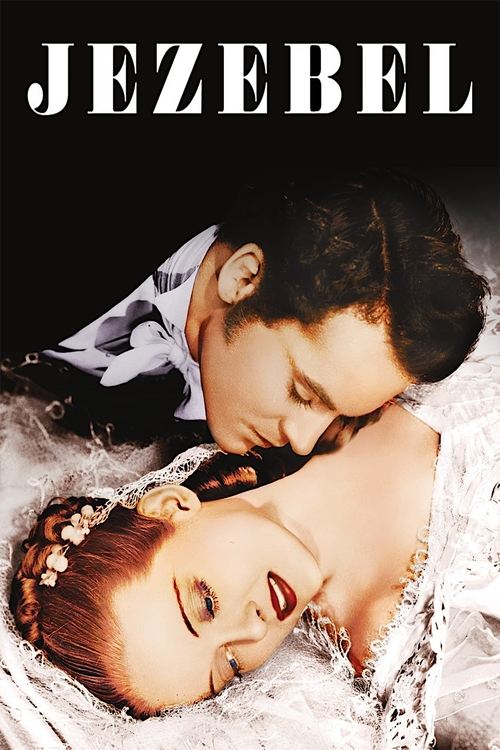
1938
No reviews yet. Be the first to share your thoughts on this movie!
Use the rating form above to leave a star rating and optional review.