Of Human Bondage
1934
No user ratings available yet
Representation score: 4.2 out of 10
Representation Score
Limited
1938
NRDirector
William Wyler
Runtime
103 minutes
Average Rating
No ratings yetNew Showbiz Analysis
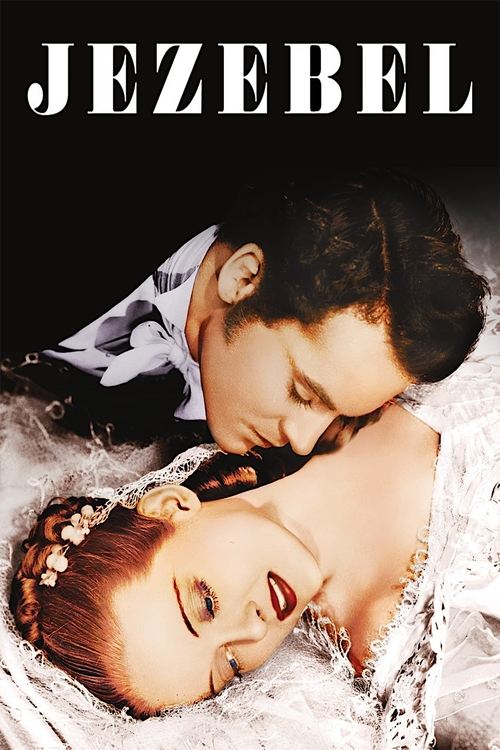
Jezebel stands out as a complex character study that challenges traditional gender roles. By focusing on a protagonist who defies 19th-century social norms, the film disrupts conventional ideas of female behavior. However, this character development is overshadowed by the film's adherence to the racial and social hierarchies of its setting. While the film avoids the 'moral hero' cliché by presenting a morally ambiguous lead, it remains constrained by the social and racial dynamics of its era.
Category Breakdown
The story follows traditional heterosexual norms and does not include any representations of diverse gender identities or LGBTQ themes.
Julie Marsden challenges traditional gender roles by being aggressive and assertive, showing psychological complexity and independence that contrasts with the typical passive female character of the time.
The cast is mainly composed of white actors, reflecting the racial hierarchy of the 1850s American South. The story stays within these social structures without questioning or challenging segregation.
The film examines moral ambiguity through a protagonist whose actions are driven by personal desires. It focuses on personal instability rather than critiquing the plantation system or Western institutions.
The film does not depict any characters with physical or neurological disabilities.
Present on Screen
Limited or Absent
Official Synopsis
In 1850s Louisiana, the willfulness of a tempestuous Southern belle threatens to destroy all who care for her.
1934
1927
1939
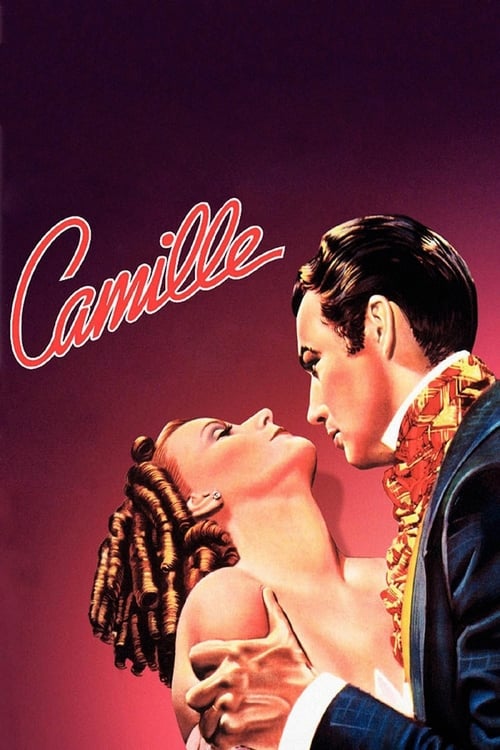
1936
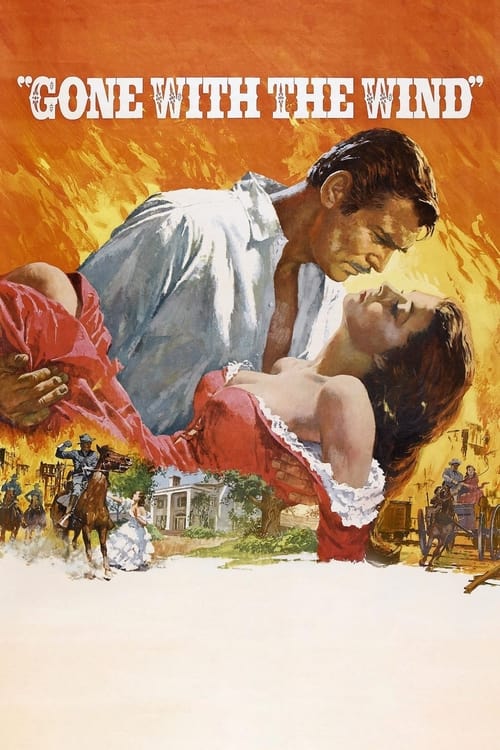
1939
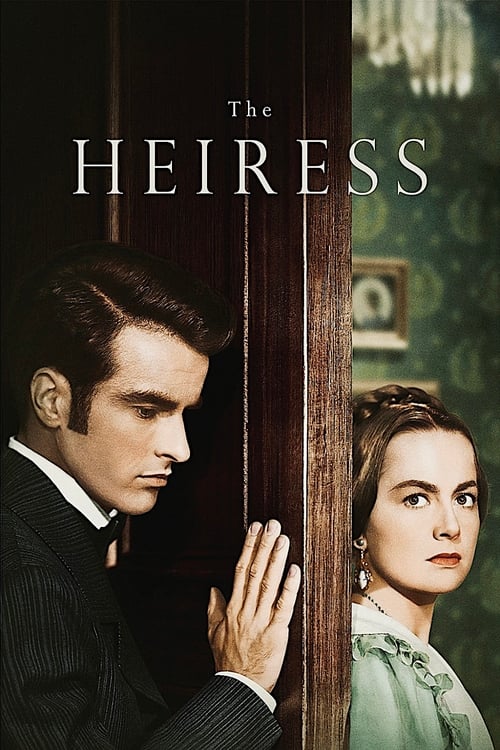
1949
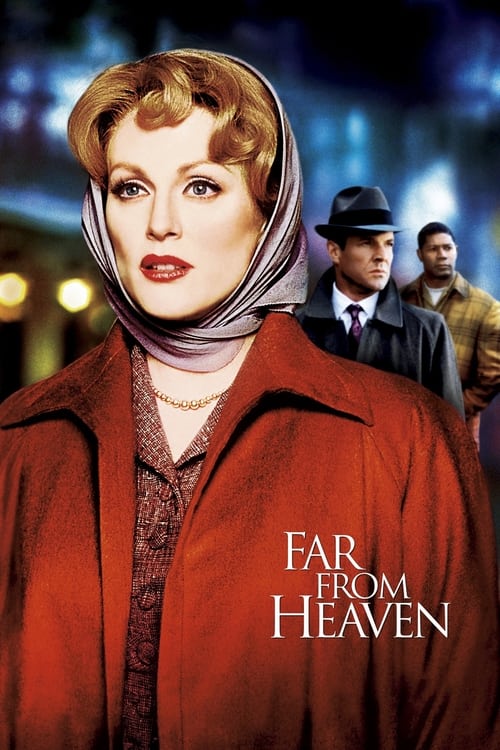
2002
1935
No reviews yet. Be the first to share your thoughts on this movie!
Use the rating form above to leave a star rating and optional review.