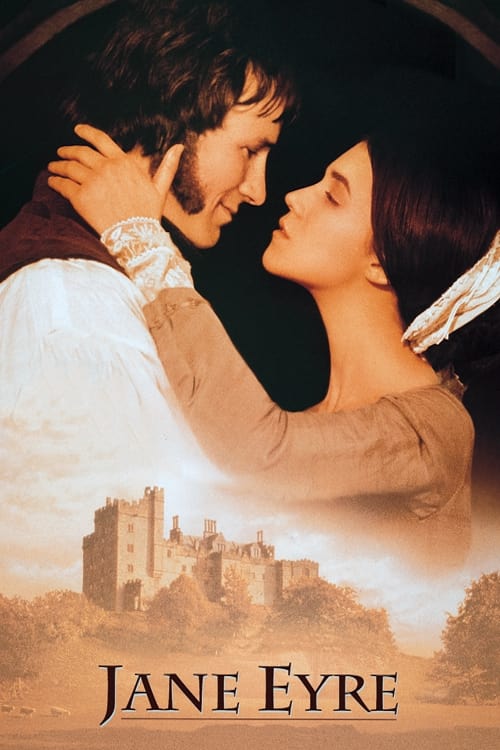
Jane Eyre
1996
No user ratings available yet
Representation score: 2.9 out of 10

Representation Score
Fair
2011
PG-13Director
Cary Joji Fukunaga
Runtime
120 minutes
Average Rating
No ratings yetNew Showbiz Analysis
This adaptation prioritizes a psychological study of autonomy over romantic escapism. It uses the Gothic genre to critique the systemic constraints placed upon women and the lower socioeconomic classes in a rigid Victorian framework. The film's strength lies in its sophisticated narrative structure emphasizing Jane's internal strength as the primary driver of the plot. It challenges traditional gender hierarchies and patriarchal expectations. However, the period setting limits demographic variety. The lack of explicit LGBTQ+ representation and the homogeneous racial landscape reflect the era's social structures rather than modern inclusive casting practices.
Category Breakdown
The film stays true to the historical context of its period setting. It does not include explicit depictions of same-sex relationships or non-binary gender identities, focusing instead on the heterosexual relationship between Jane and Rochester.
Jane Eyre is portrayed with great intellectual and moral strength rather than as a submissive romantic interest. She resists patriarchal pressures and disrupts the 'damsel in distress' cliché through her internal strength.
Reflecting the homogeneous social structures of Victorian England, the film features traditional casting. It does not actively engage in color-blind casting or include diverse ethnic identities within the primary social circles.
The narrative critiques rigid, punitive religious and educational institutions like Lowood School. It explores the tension between personal ethics and the oppressive nature of established social hierarchies.
The film touches upon psychological trauma and the invisible struggles of mental health. However, these elements serve the Gothic atmosphere rather than providing a platform for character's ability to drive the story regarding disability.
Present on Screen
Limited or Absent
Official Synopsis
After a bleak childhood, Jane Eyre goes out into the world to become a governess. As she lives happily in her new position at Thornfield Hall, she meets the dark, cold, and abrupt master of the house, Edward Rochester. Jane and her employer grow close in friendship and she soon finds herself falling in love with him. Happiness seems to have found Jane at last, but could Rochester's terrible secret be about to destroy it forever?
1996
1943

2012
1939
1997

1945
2011

1996
No reviews yet. Be the first to share your thoughts on this movie!
Use the rating form above to leave a star rating and optional review.