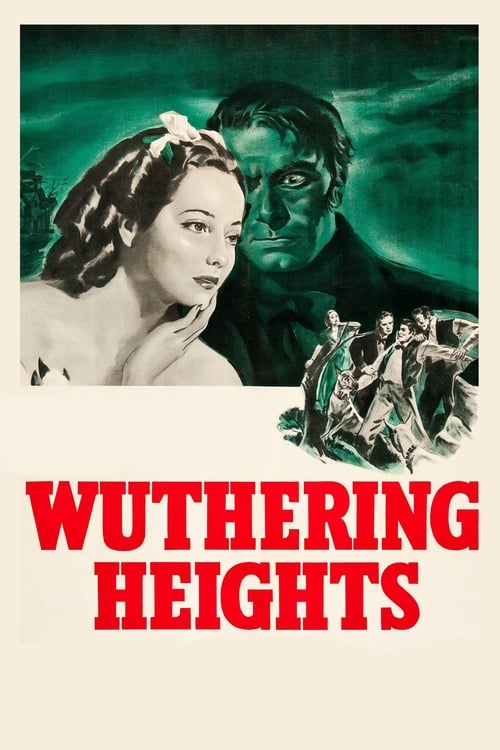
Wuthering Heights
1939
No user ratings available yet
Representation score: 2.7 out of 10
Representation Score
Excellent
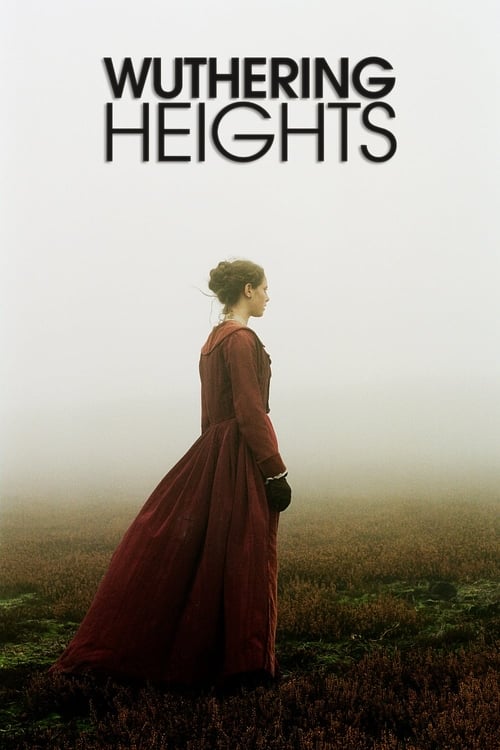
2011
NRDirector
Andrea Arnold
Runtime
124 minutes
Average Rating
No ratings yetNew Showbiz Analysis
Andrea Arnold’s adaptation replaces romanticized Gothic clichés with a gritty, social-realist lens. By centering a mixed-race Heathcliff, the film uses his outsider status to dismantle the socioeconomic hierarchies of the 18th-century English class system. The film excels in its critique of traditional power structures, portraying the landed elite as sources of systemic cruelty. This approach elevates the story from a simple romance to a visceral exploration of class friction and human ability to act. While the film lacks explicit LGBTQ+ representation and visible disability-driven roles, its subversion of gender norms and racial homogeneity provides a significant departure from standard period pieces.
Category Breakdown
The film does not include explicit LGBTQ+ identities or queer-coded subplots. The protagonists have a strong, obsessive relationship, focusing on the central romantic tension of the original story.
Catherine Earnshaw is shown with destructive ability to act rather than Victorian submissiveness. The film emphasizes female-centric discussions and psychological landscapes, avoiding the traditional male gaze.
Casting a mixed-race Heathcliff is central to the film's impact. This choice highlights systemic racial hierarchies and breaks down the typical homogeneity of 18th-century period dramas.
The narrative critiques Western institutions by portraying the landed gentry as cruel. It frames antisocial behaviors as inevitable responses to oppressive class structures and dysfunctional family dynamics.
The story touches on psychological fragility and obsessive passion. However, it does not feature characters with visible or neurodivergent disabilities in central, ability to act-driven roles.
Present on Screen
Limited or Absent
Official Synopsis
Yorkshire moorlands, northern England, in the late 18th century. Young Heathcliff, rescued from the streets of Liverpool by Mr. Earnshaw, the owner of Wuthering Heights, an isolated farm, develops over the years an insane passion for Cathy, his foster sister, a sick obsession destined to end tragically.
1939

1992

2011

1996
2014
1938
2005
1961
No reviews yet. Be the first to share your thoughts on this movie!
Use the rating form above to leave a star rating and optional review.