The Only Son
1936
No user ratings available yet
Diversity score: 4.3 out of 10
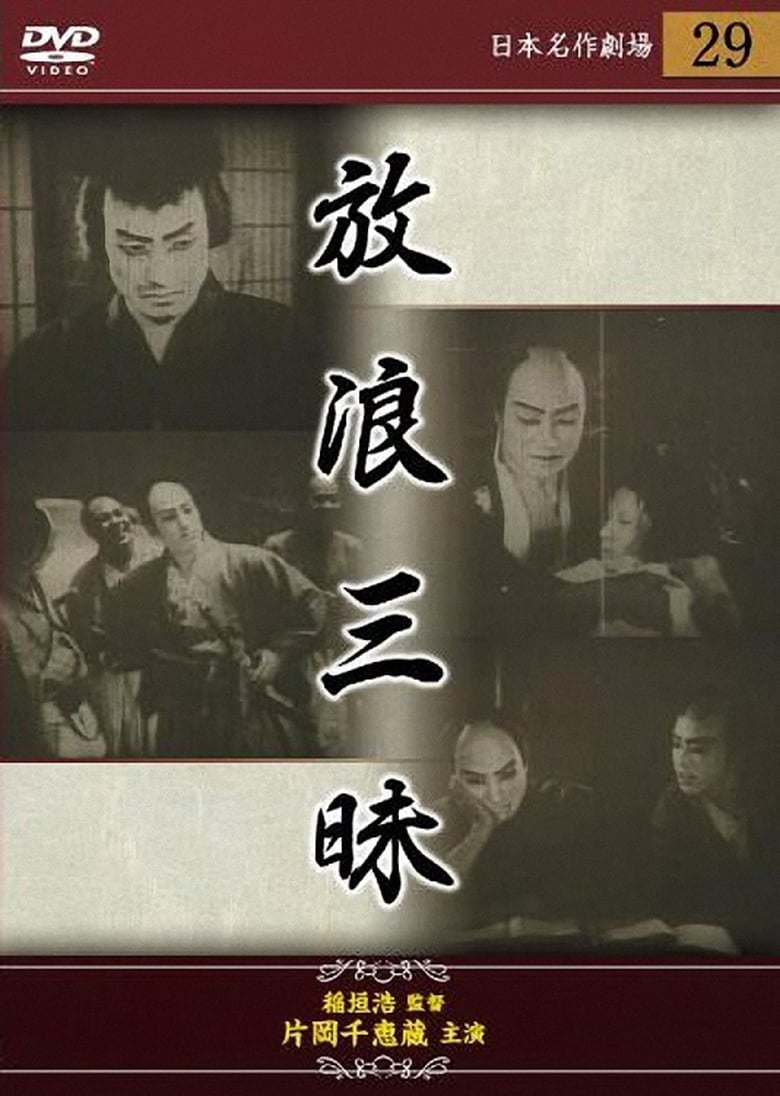
1928
Director
Hiroshi Inagaki
Runtime
41 minutes
Average Rating
No ratings yetSynopsis
Date Mosui, a young samurai, one day gets a scolding from a nameless ronin that sets him thinking about what life is all about and his ways of living. His frined, Ando Kichinosuke, is alarmed at Mosui's despondency and invites him to his house as his little sister Tsuyu and he try to cheer him up.
Overall Score
Fair
Category Breakdown
LGBTQ+ Representation
The film lacks any depiction of non-heteronormative identities or same-sex intimacy. The narrative focuses exclusively on platonic and familial connections.
Gender Representation
Female characters like Tsuyu appear in supportive, domestic roles intended to stabilize the male protagonist. While they offer emotional intelligence, they lack significant individual agency.
Racial & Ethnic Diversity
The production is culturally homogeneous, reflecting the specific Japanese milieu of 1928. It does not feature intersectional racial blending or diverse global casts.
Religious & Cultural Diversity
The story explores subjective morality and existentialism through a protagonist questioning his social purpose. It highlights figures existing on the fringes of the established social order.
Disability Representation
There is no evidence of physical or neurodivergent disabilities being portrayed within the narrative.
Strengths
Areas for Improvement
AI Analysis
Hiroshi Inagaki’s 1928 drama functions as a contemplative character study rather than a standard action-heavy samurai epic. It prioritizes internal existentialism and the disruption of a young man's worldview over traditional, duty-bound tropes. The film explores psychological complexity by focusing on individual disillusionment. By centering on a protagonist who questions his way of life, the narrative moves toward a more subjective exploration of identity. However, the film remains largely traditional in its social structures. It lacks explicit intersectional representation or the subversion of modern social hierarchies, operating primarily within a culturally homogeneous historical framework.
1936

1929
1985
1936
1935

1972

1933
1951
1928
1938
1958

1935
No reviews yet. Be the first to share your thoughts on this movie!
Use the rating form above to leave a star rating and optional review.