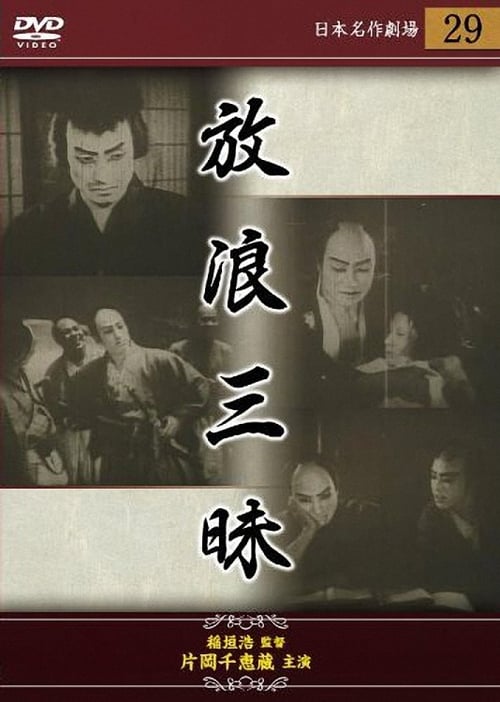
The Wandering Gambler
1928
No user ratings available yet
Diversity score: 4.0 out of 10
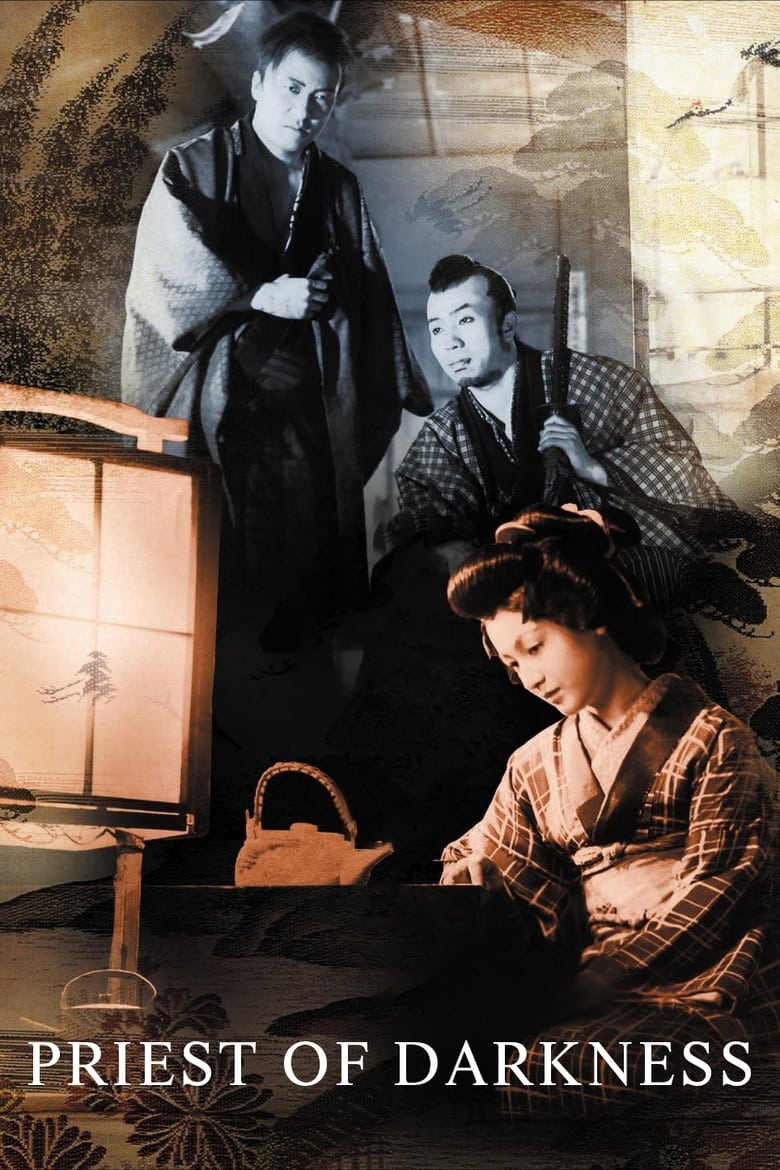
1936
Director
Sadao Yamanaka
Runtime
82 minutes
Average Rating
No ratings yetSynopsis
A boy steals a knife from an old samurai, unaware of its value, setting off a strange chain of events.
Overall Score
Fair
Category Breakdown
LGBTQ+ Representation
The film lacks any evidence of non-cisnormative gender identities or same-sex intimacy. The narrative focuses on a localized conflict involving theft and its consequences.
Gender Representation
The presence of Shizue Kawarazaki and Setsuko Hara indicates female involvement in the drama. However, the central plot catalyst remains male-centric, focusing on a boy and a samurai.
Racial & Ethnic Diversity
As a domestic 1936 Japanese production, the cast and setting are ethnically homogeneous. The film functions within the specific cultural framework of the Edo period.
Religious & Cultural Diversity
The story explores the friction between individual agency and rigid social structures. It prioritizes situational morality over the idealized virtue often found in traditional samurai cinema.
Disability Representation
There is no evidence of characters with visible or invisible disabilities. The documentation does not suggest any representation in this category.
Strengths
Areas for Improvement
AI Analysis
Priest of Darkness is a traditional period drama that reflects the demographic constraints of 1936 Japan. It lacks intersectional identity representation, resulting in low scores for LGBTQ+ and disability categories. However, the film offers depth through its subversion of genre. Rather than celebrating monolithic samurai archetypes, the narrative explores systemic pressures and human vulnerability. This structural approach provides a more nuanced look at social hierarchies than standard jidaigeki films.
1928

1959

1951

2002

1966

1986
1969
1967
1935
1963

1937

1955
No reviews yet. Be the first to share your thoughts on this movie!
Use the rating form above to leave a star rating and optional review.