
The Izu Dancer
1974
No user ratings available yet
Representation score: 2.3 out of 10
Representation Score
Limited
1972
Director
Kōichi Saitō
Runtime
90 minutes
Average Rating
No ratings yetNew Showbiz Analysis
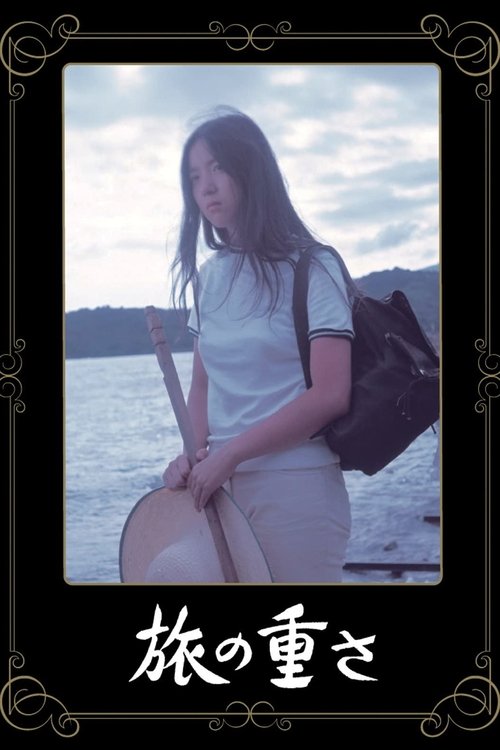
Journey Into Solitude is a character-driven drama centered on a teenage girl's pursuit of autonomy. By focusing on a female protagonist who rejects domestic structures, the film offers a moderate level of representation regarding gendered ability to act. However, the film lacks visible LGBTQ+ representation or multi-layered racial dynamics. While the narrative explores themes of social alienation and rejection of institutional norms, it does not delve deeply into diverse identity markers. Additionally, the protagonist's illness serves primarily as a plot device rather than a meaningful exploration of disability or neurodivergence.
Category Breakdown
The film does not include any references to LGBTQ+ identities or same-sex relationships. There is no queer representation in the protagonist's journey.
The female protagonist drives the narrative by rejecting domestic and school life, showing strong ability to act. However, her impact on broader gender hierarchies remains unclear.
As a Japanese production, the film likely features a predominantly East Asian cast. However, there is no evidence of diverse casting or challenging ethnic norms.
The story explores social alienation and the rejection of institutionalized structures like school and home. It emphasizes subjective experiences and reliance on non-institutional support systems.
The protagonist's illness serves as a plot device to facilitate an encounter with a fisherman. There is no indication of a portrayal of long-term disability or neurodivergence.
Present on Screen
Limited or Absent
Official Synopsis
Bored with her school life, a 16-year-old student leaves home to take a trip along the Pacific Ocean. After meeting with a theatre group she falls sick and is rescued by a fisherman.
1974

1960

1969

2005

1964

2010

1972

2018
No reviews yet. Be the first to share your thoughts on this movie!
Use the rating form above to leave a star rating and optional review.